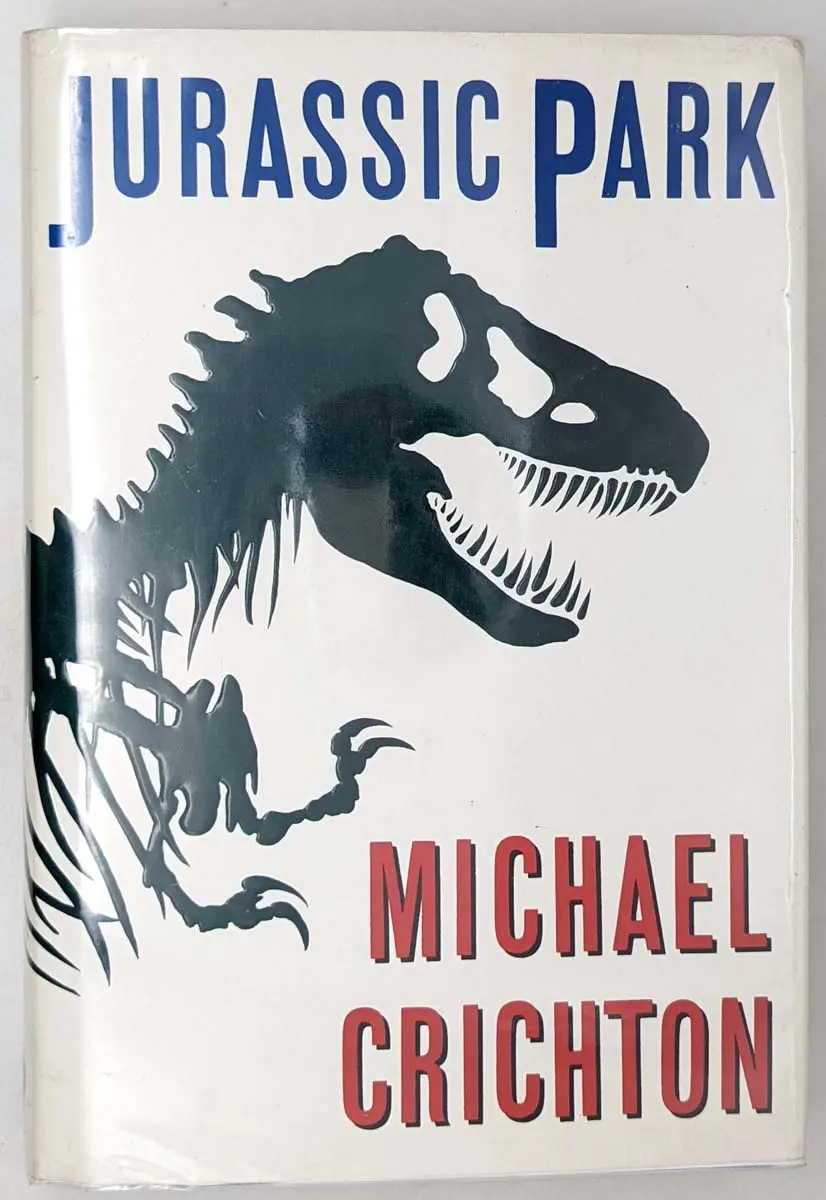
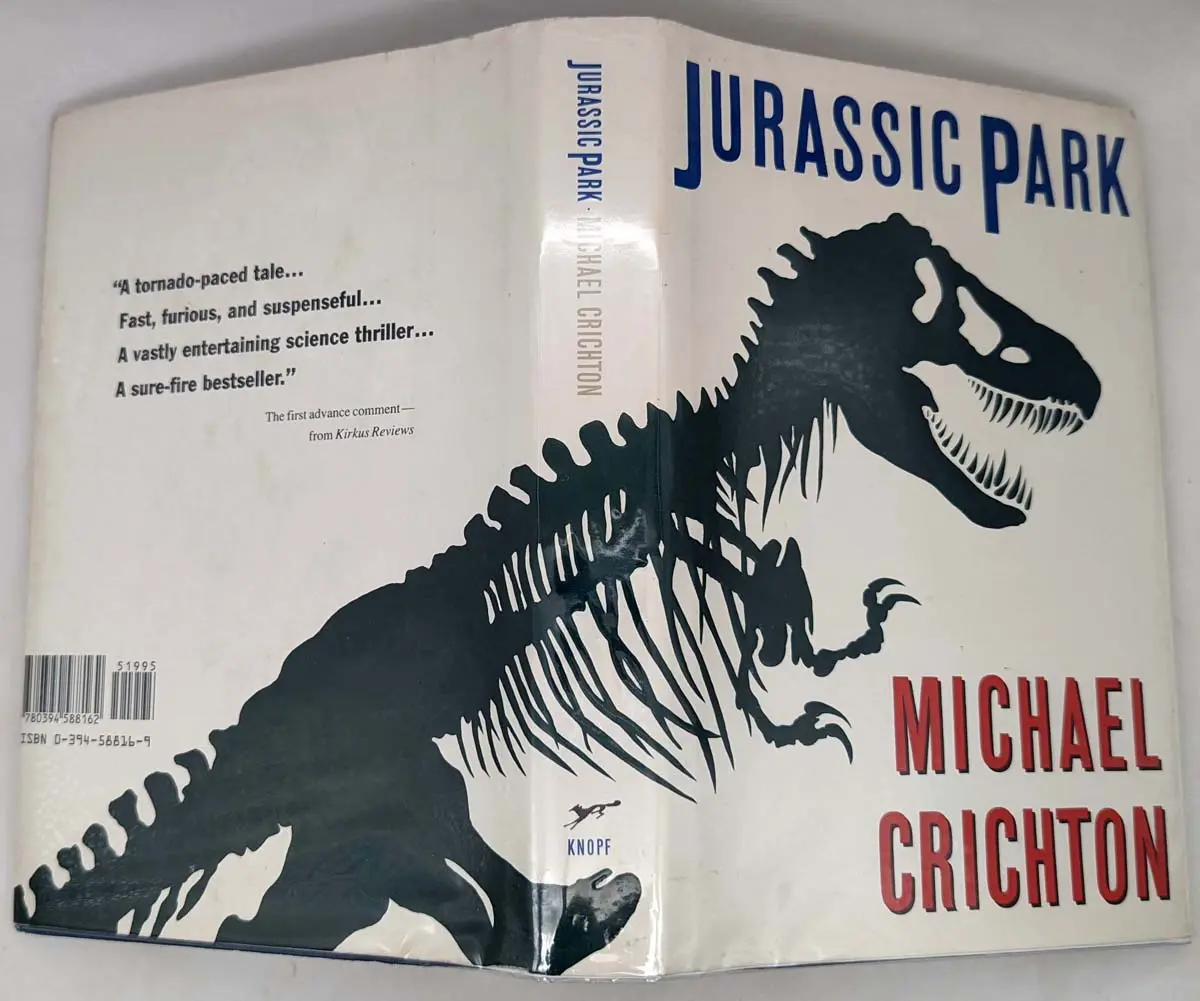

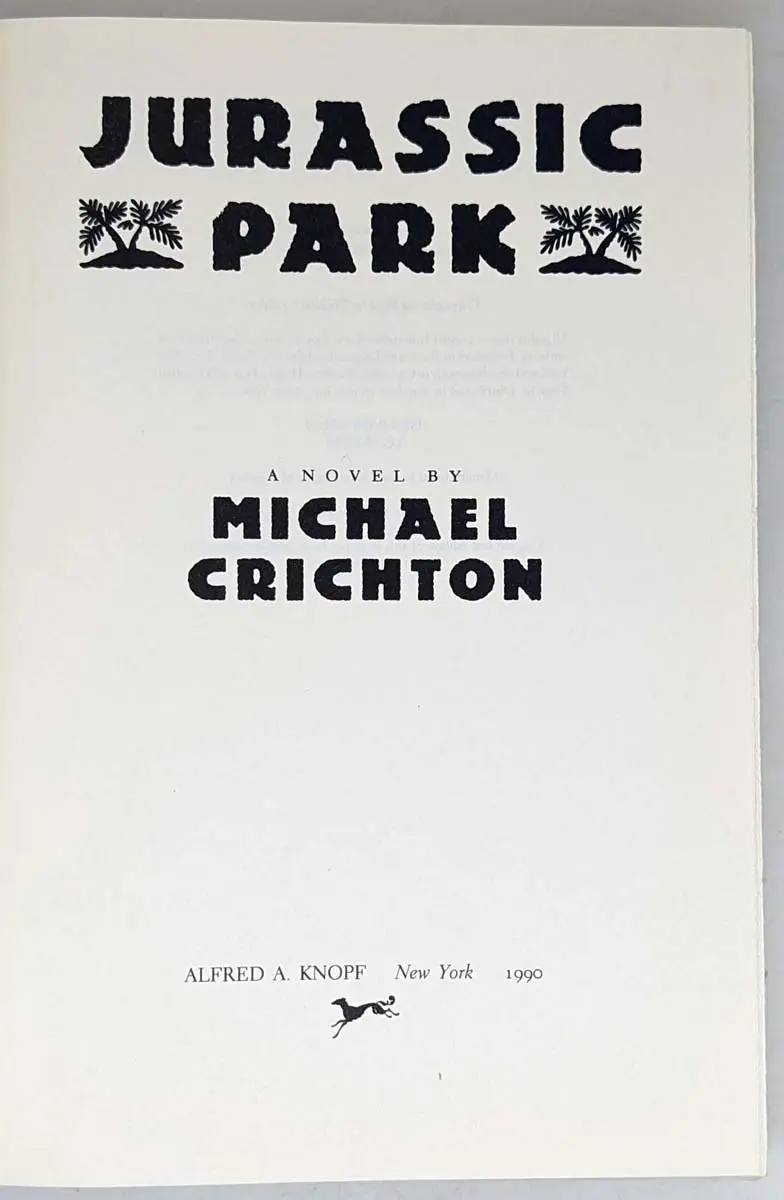
Michael Crichton’s groundbreaking techno-thriller redefined science fiction by blending cutting-edge genetic theory with edge-of-your-seat suspense. When billionaire John Hammond unveils his prehistoric theme park—populated with dinosaurs cloned from fossilized DNA—he invites a team of experts, including paleontologist Alan Grant, mathematician Ian Malcolm, and lawyer Donald Gennaro, to endorse its safety. But as Malcolm’s chaos theory warns, “Life finds a way,” and the park’s engineered safeguards crumble, unleashing T. rex hunts, velociraptor ambushes, and a brutal fight for survival.
Crichton’s meticulous research (on genetics, computing, and paleontology) grounds the fantastical premise in chilling plausibility, while his taut prose and shifting perspectives amplify the terror. The novel explores human arrogance, corporate greed, and the ethics of scientific power—themes that resonate deeper than its blockbuster film adaptation.
A masterclass in scientific horror, Jurassic Park remains a cultural touchstone, sparking debates about biotechnology’s limits and humanity’s right to play god.