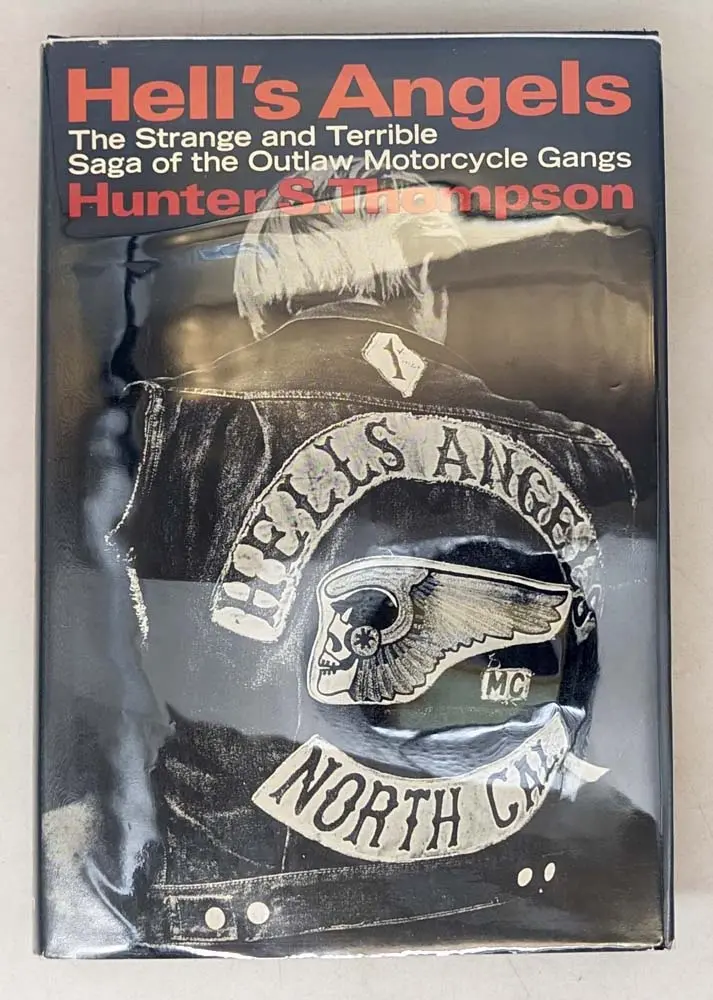
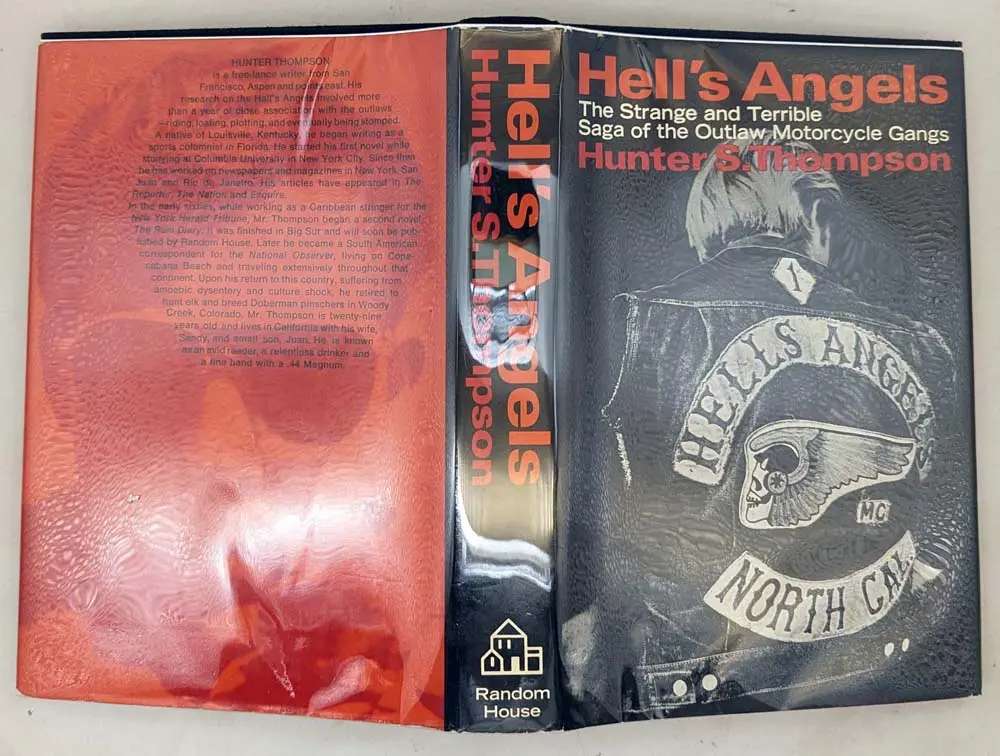
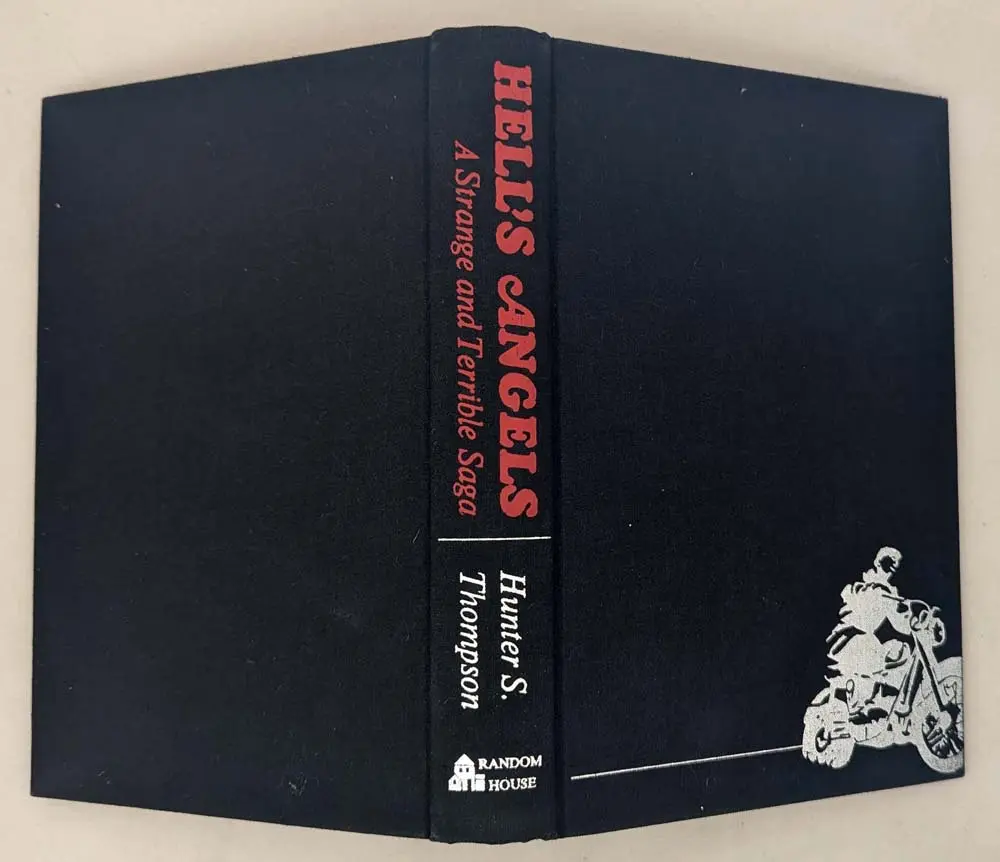
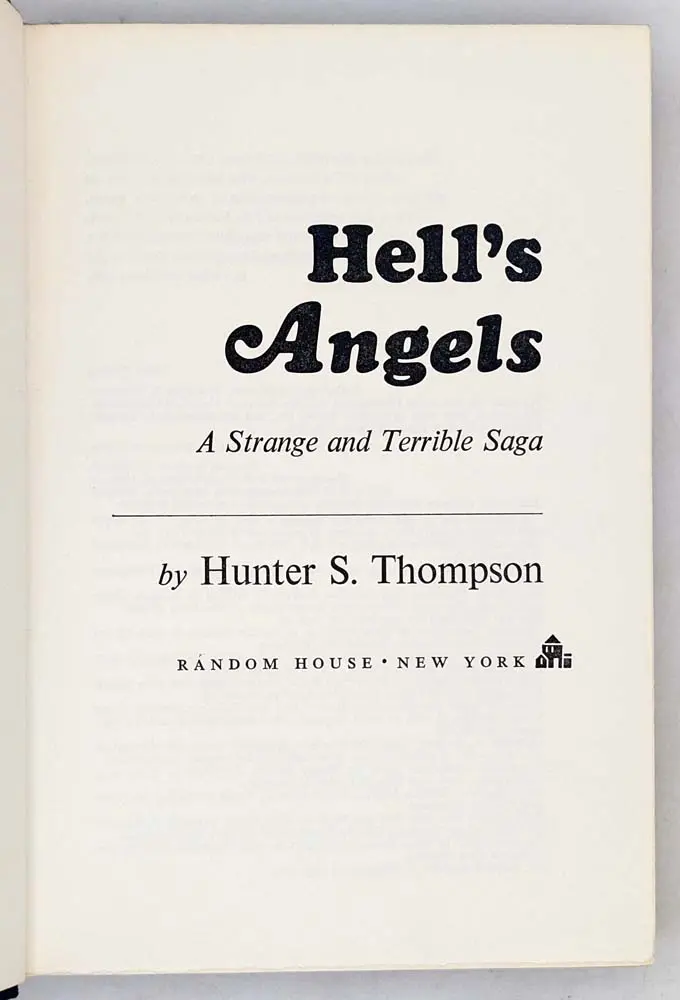
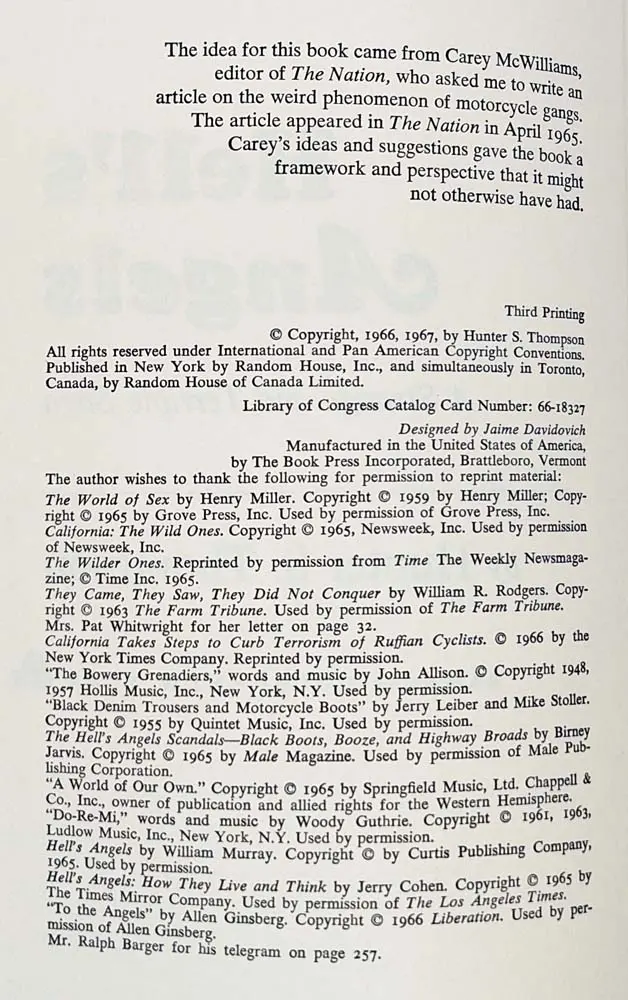
Hell’s Angels: A Strange and Terrible Saga (1966) is not merely a book about an outlaw motorcycle club; it is the explosive, groundbreaking work that forged the voice and mythos of its author, Hunter S. Thompson. Emerging from a year of immersive, adrenaline-fueled proximity to the Oakland chapter, Thompson’s account transcends journalism to become a seminal piece of New American nonfiction, written with the savage wit, penetrating insight, and blistering prose that would define Gonzo.
The book’s genius lies in its dual focus. Thompson documents the Angels’ tribal rituals, chaotic runs, and brutal violence with a novelist’s eye, painting vivid, unflinching portraits of figures like Sonny Barger. He captures the terrifying allure of their anarchic freedom and the crude, machinist philosophy that binds them. Yet, his sharper critique is reserved for the society that spawned them. He dissects the fear and hypocritical fascination of the press, the titillation of the middle class seeking vicarious thrills, and the failure of the police and state. The Angels, Thompson argues, are the “monsters” that a bland, consumerist postwar America both created and deserved.
The writing itself is a performance—a high-wire act of moral inquiry, dark comedy, and raw reportage. Thompson is both embedded observer and central character, experiencing the brotherhood, the beatings, and the final, inevitable betrayal that ends his tenure with the club. Hell’s Angels established his foundational theme: the collapse of the American Dream. It revealed the seething, violent undercurrents beneath the placid surface of the 1960s, mapping a terrain of alienation and outlaw defiance that would explode fully by decade’s end. More than a study of a subculture, it is the brilliant, corrosive debut of a literary force who looked into the abyss of American society and reported back with terrifying, uproarious clarity.