
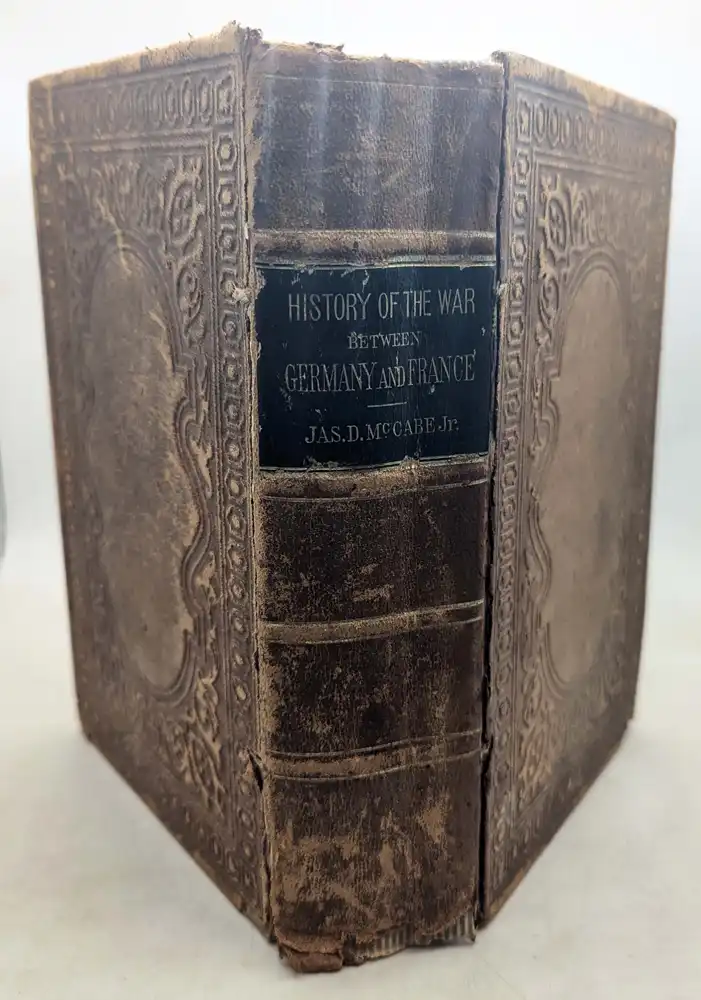
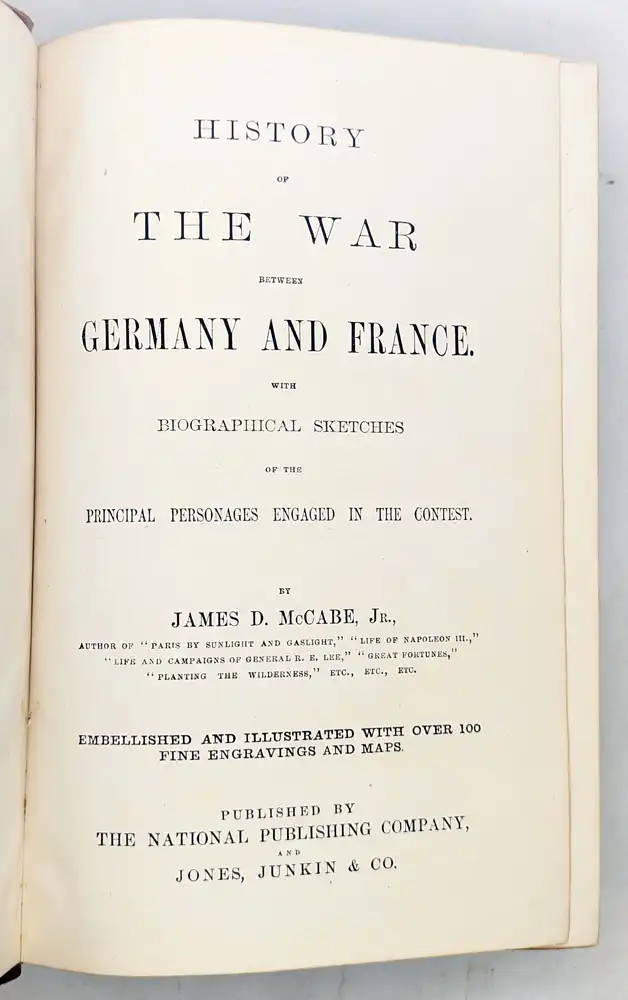
James D. McCabe’s History of the War between Germany and France, published in 1871 by the National Publishing Company and Jones Brothers of Philadelphia stands as a monumental and immediate chronicle of one of the most transformative conflicts of the nineteenth century. This substantial volume, running to over 800 pages, is a comprehensive account not merely of the military campaigns but of the complete collapse and rebirth of nations that followed the cataclysmic events of 1870 and 1871 . McCabe, a prolific and popular historian of his era, constructed the book with an ambitious dual purpose, which is reflected in its full and descriptive title: to document the progress of the war with scholarly rigor and to provide a human dimension through biographical sketches of the principal figures embroiled in the contest .
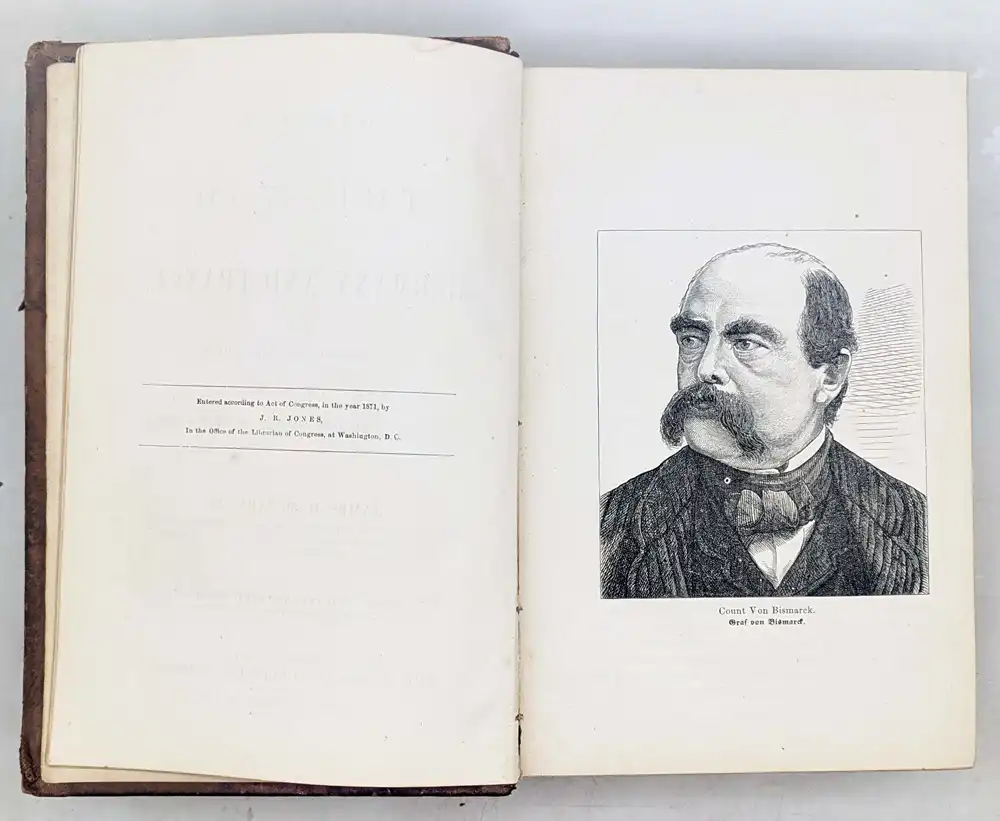
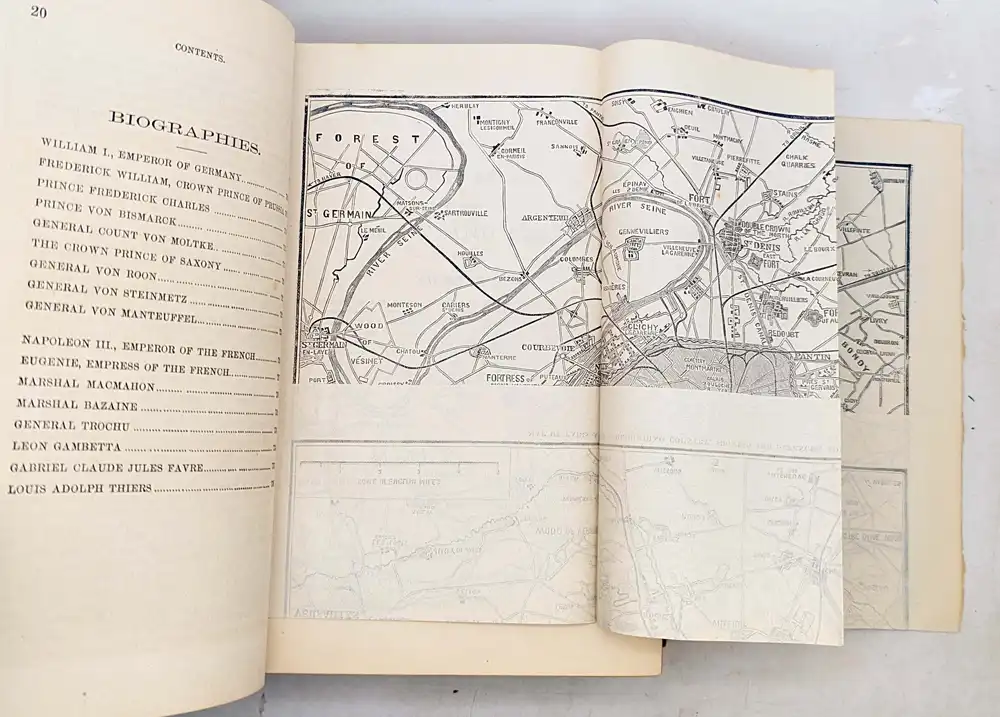
The narrative traces the war’s rapid escalation from the diplomatic tensions surrounding the Hohenzollern candidacy for the Spanish throne through to the stunning Prussian victories at Sedan and Metz, the fall of Napoleon III, and the subsequent and arduous siege of Paris . McCabe’s prose is marked by a dramatic energy, vividly describing the grand strategies of generals like Von Moltke, the political machinations of Otto von Bismarck, and the desperate, and often futile, efforts of French leaders such as Leon Gambetta and General Trochu to rally national resistance . Adding immense value to this historical text is the concluding biographical section, which offers meticulously compiled life sketches of over a dozen key personages, from Emperor William I and Crown Prince Frederick William to French leaders like Adolphe Thiers, painting a complete portrait of the war’s leading personalities .
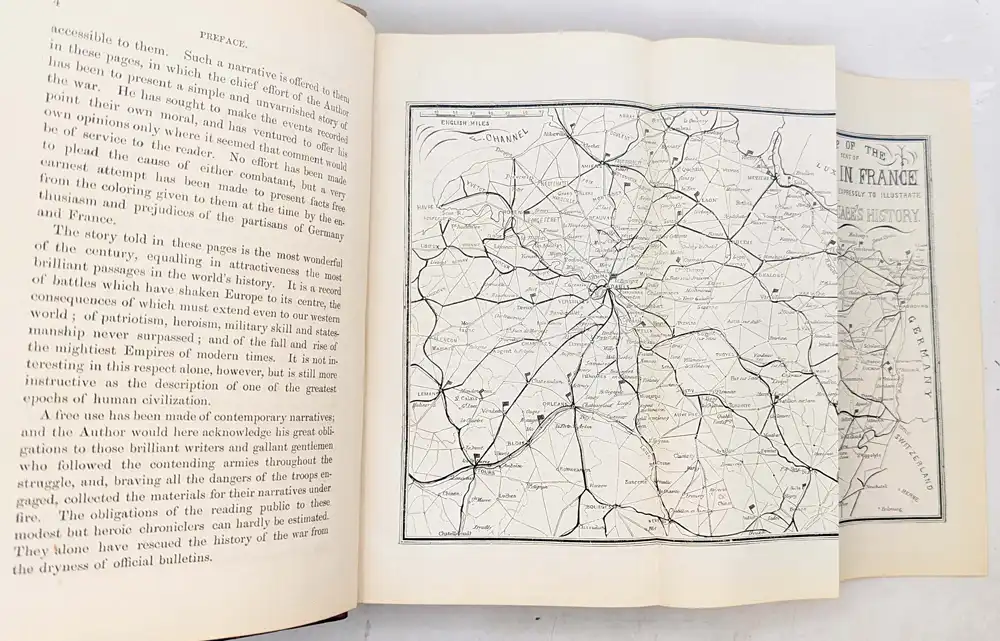
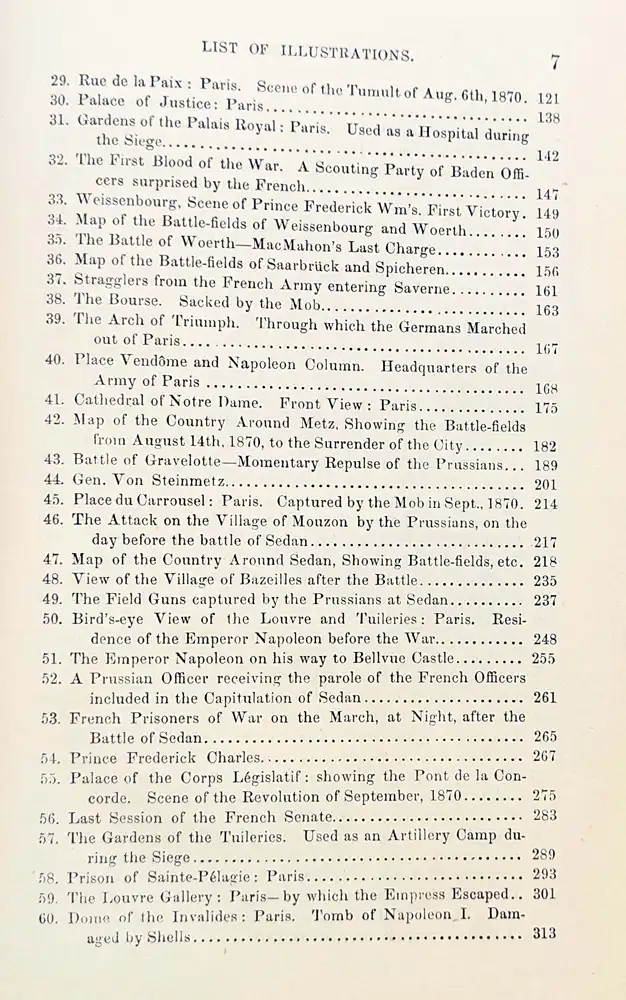
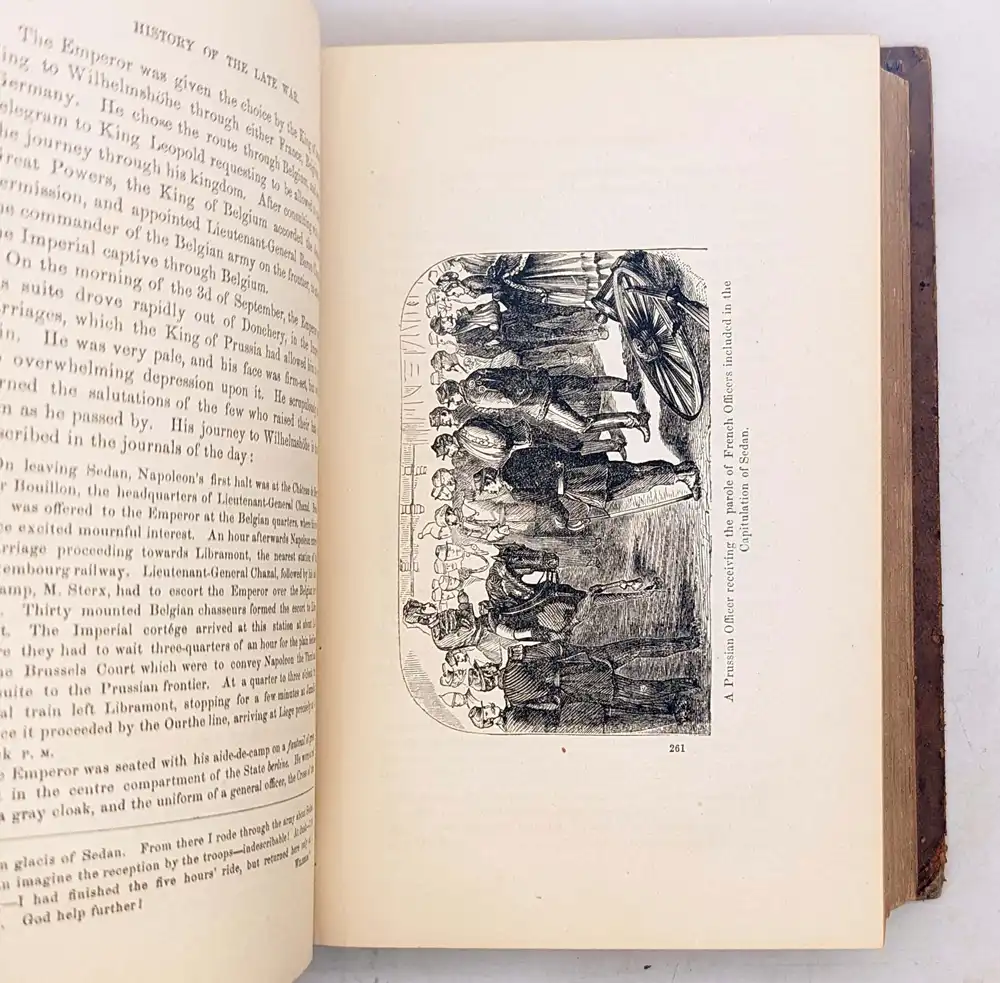
Furthermore, this edition distinguishes itself with a crucial appendix that extends the story beyond the armistice, detailing the bloody civil war of the Paris Commune and the second siege of the capital, events that were contemporary with the book’s printing . Embellished with over 150 fine engravings, portraits, and detailed, fold-out maps, McCabe’s book was designed to be both an authoritative reference and a visually immersive experience for an American public eager to understand a conflict that had reshaped the balance of power in Europe .


