
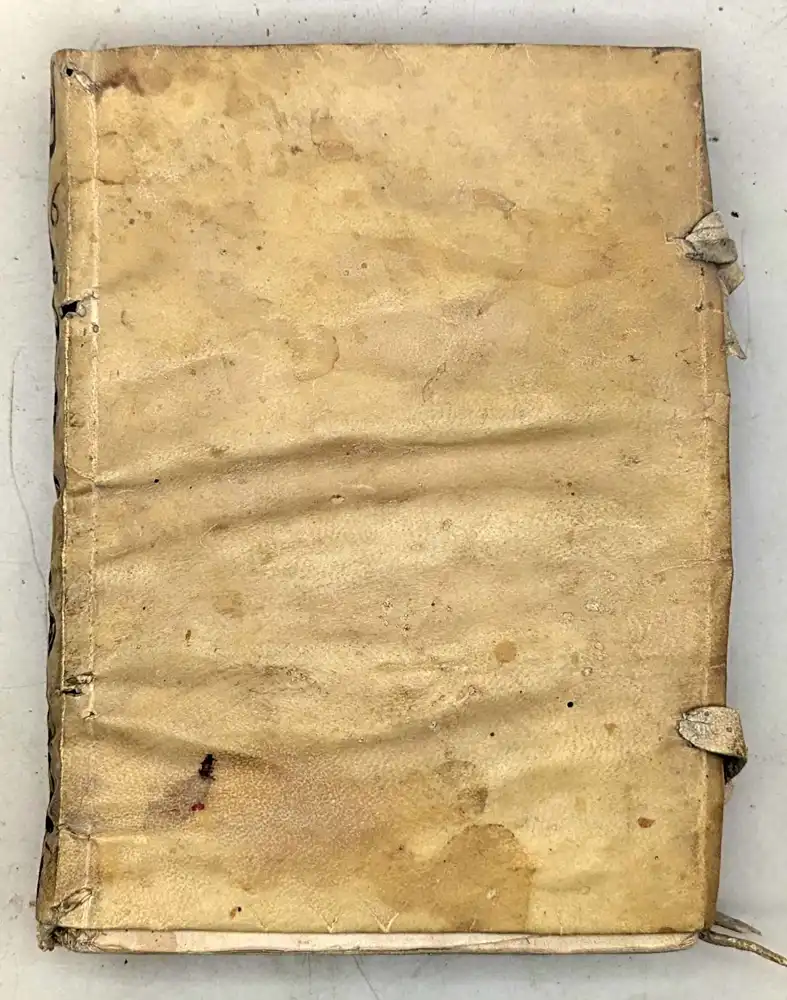
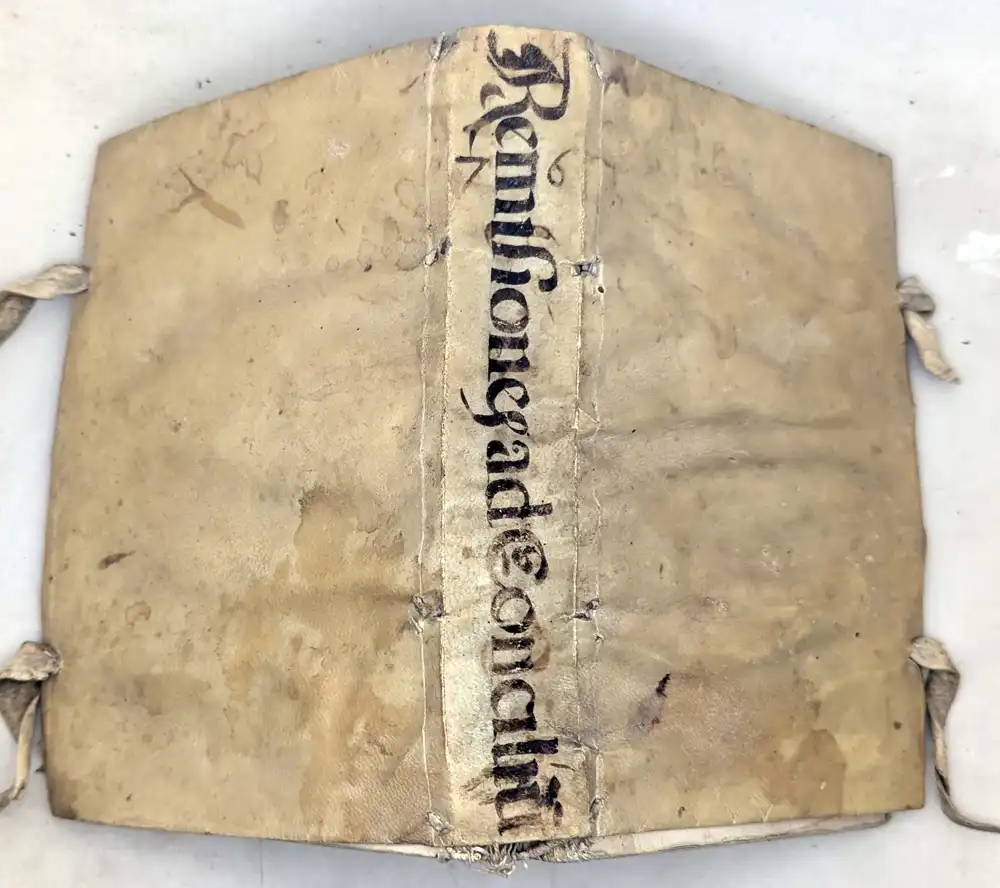
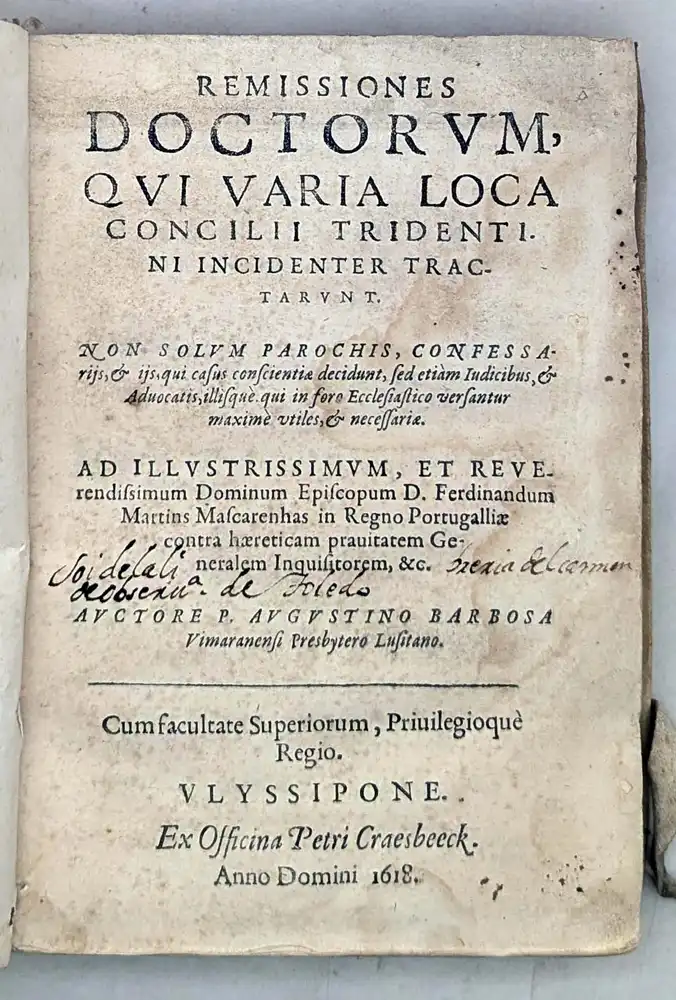
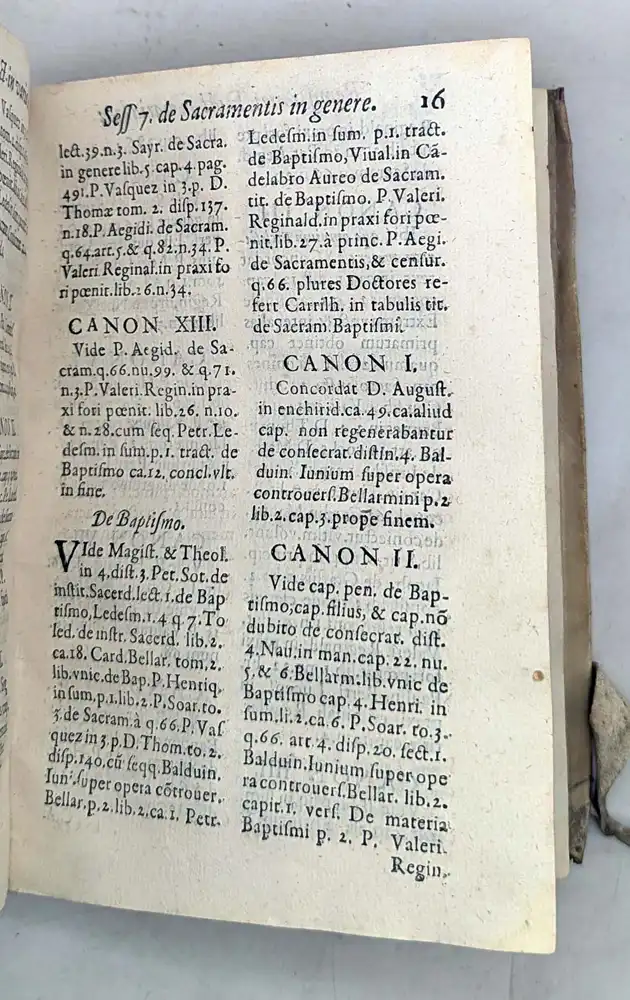
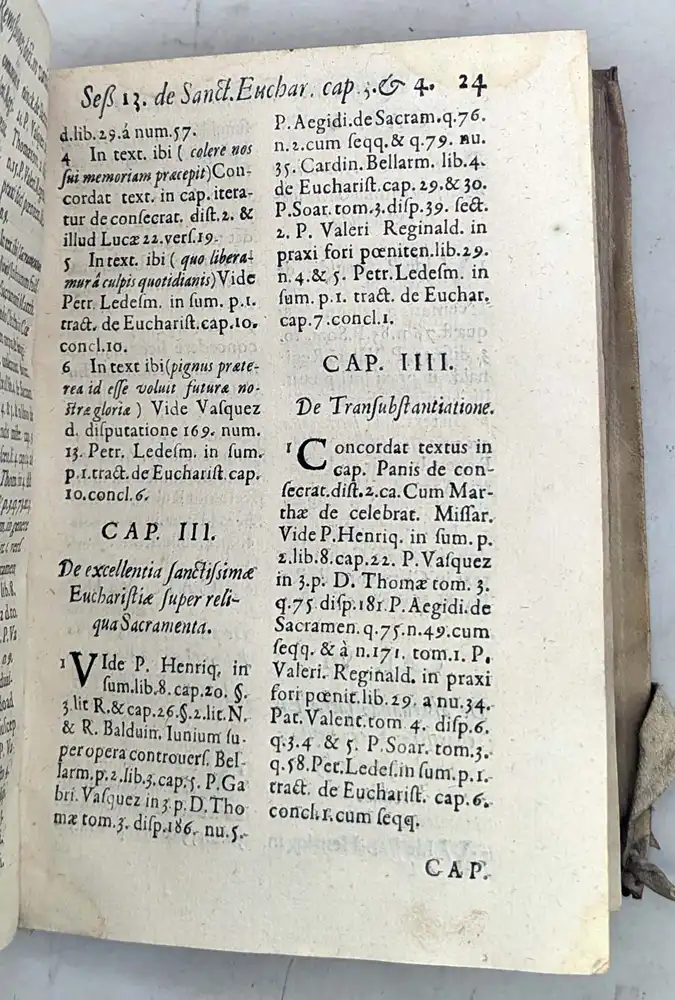
Remissiones Doctorum, qui varia loca Concilii Tridentini incidenter tractarunt is a Latin canonical reference work authored by the Portuguese jurist and cleric Agostinho Barbosa (1590–1649). The first edition appeared in 1618, printed in Lisbon by Pedro Craesbeeck, with a subsequent edition issued in 1619 in Lyon by Horatius Cardon, and a further edition in 1620 from Brescia by Franciscus Thebaldus.
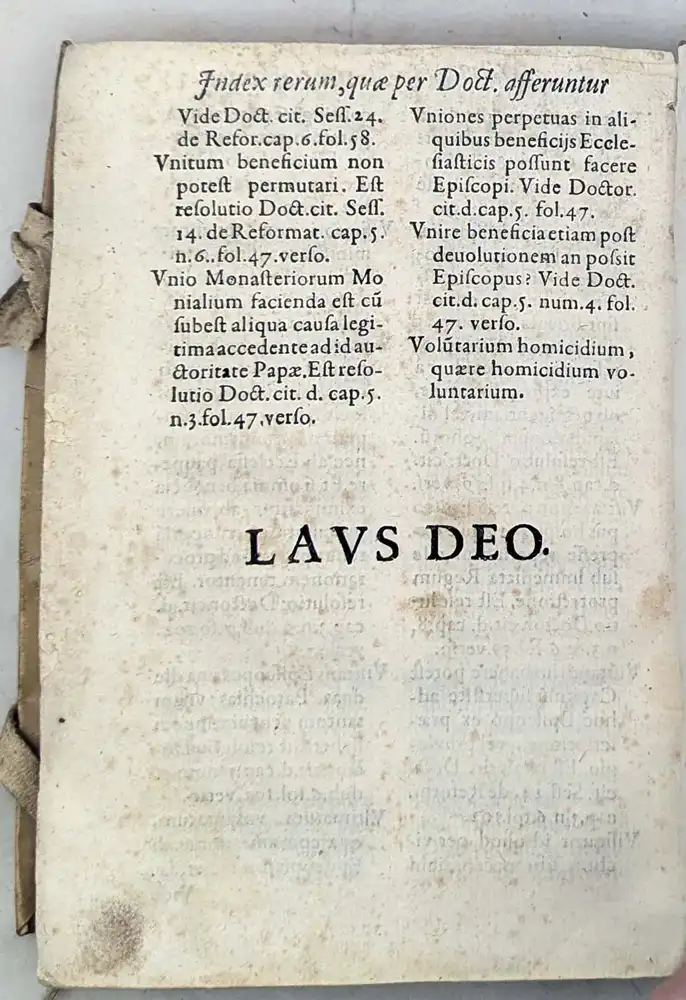
A notably documented edition was published in Valladolid in 1621 by the printer Jerónimo Morillo at the expense of the bookseller Juan de Molina, a quarto volume of six preliminary leaves, 150 numbered leaves, and twenty-six unnumbered leaves of index. The title translates roughly as “References of the Doctors Who Incidentally Treated Various Passages of the Council of Trent,” and the work’s purpose is stated on its title page: it is intended not only for parish priests, confessors, and those who decide cases of conscience, but also for judges and advocates engaged in the ecclesiastical forum.
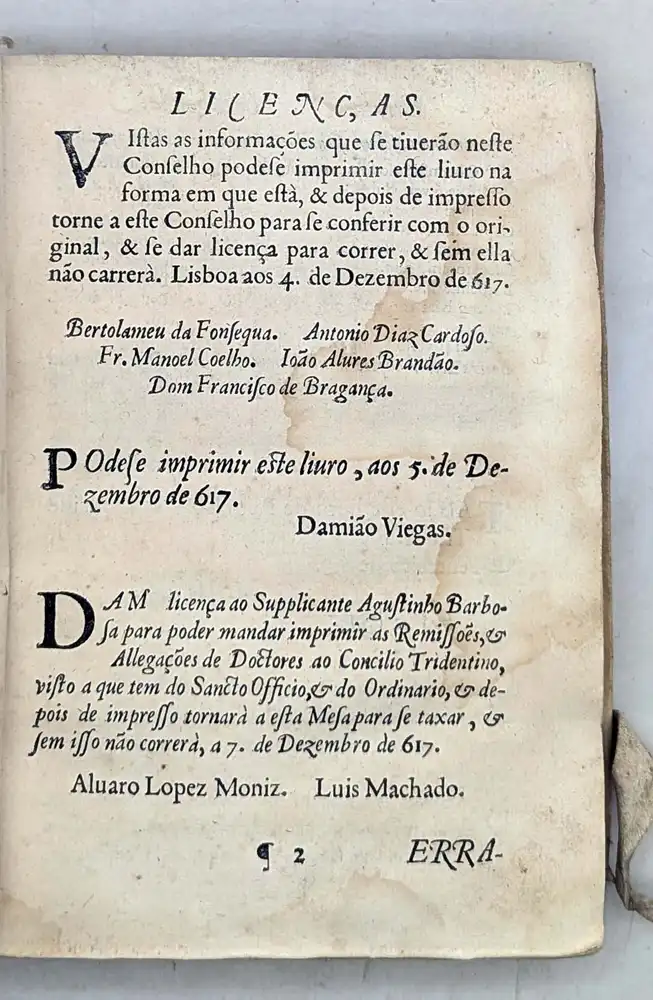
Barbosa gathers and organizes the scattered observations of earlier theological and legal authorities on specific points of the Tridentine decrees, arranging them under topical headings so that a reader can locate the relevant scholarly opinion on a given canonical question. The 1621 Valladolid imprint includes the text of the printing privilege granted by the royal council in 1619 and the official errata and price determinations, revealing the regulatory apparatus surrounding early modern Spanish publishing. The work was placed on the Index shortly after its first appearance and later reappeared in revised form under other titles, marking it as a text of both practical utility and doctrinal sensitivity in the post-Tridentine Church.


