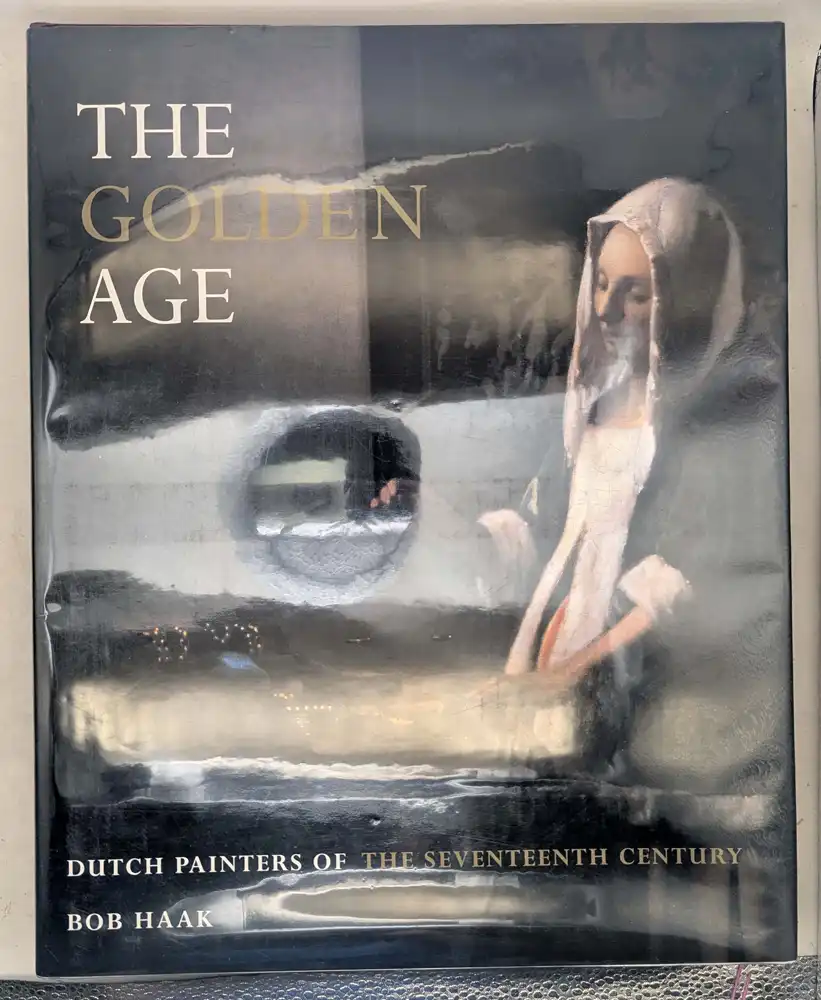
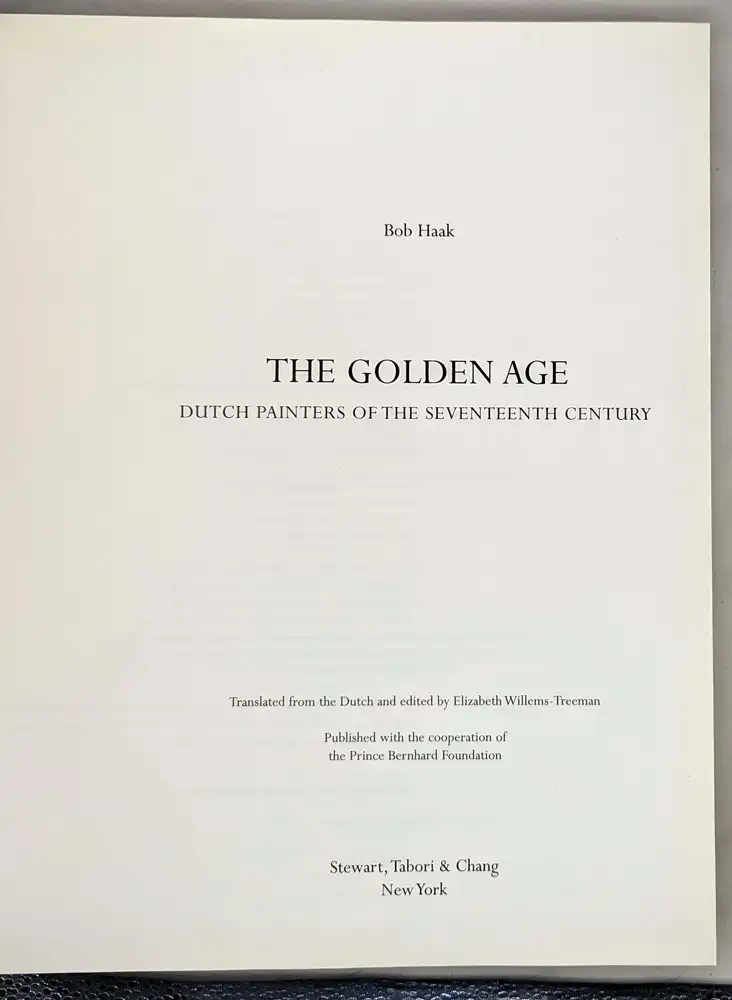
Bob Haak’s The Golden Age: Dutch Painters of the Seventeenth Century was first published in 1984, with the English-language edition appearing from Harry N. Abrams in New York and Thames and Hudson in London. Translated from the Dutch and edited by Elizabeth Willems-Treeman, the volume is a massive, encyclopedic survey of one of the most intensely creative periods in art history, running to 536 pages.
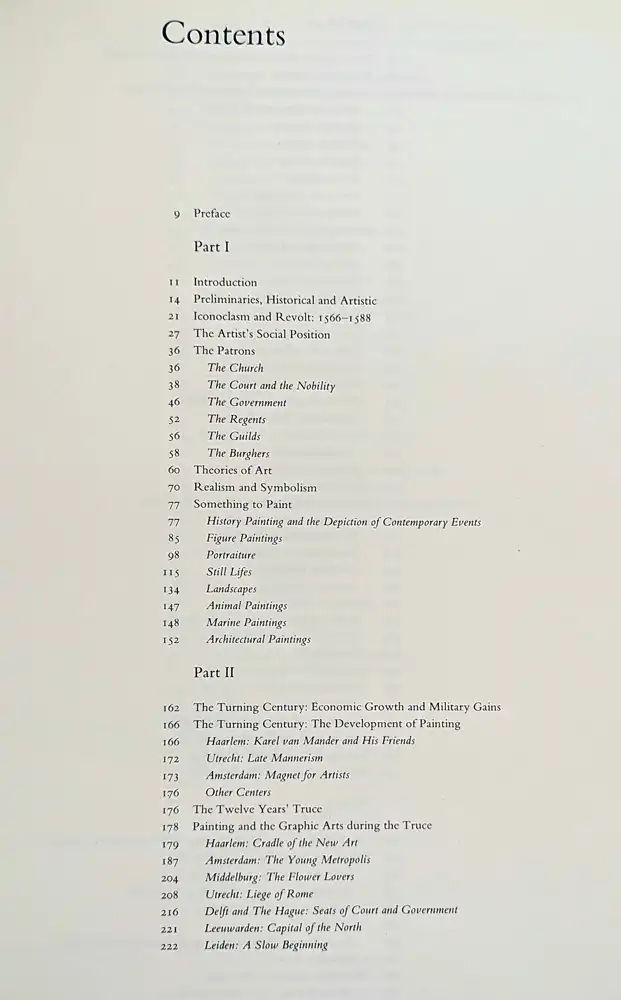
Haak, a former director of the Rijksmuseum, organizes the material geographically by artistic centers rather than strictly by chronology, which allows the specific texture of local patronage and civic life to emerge alongside discussions of individual painters. The scope is extraordinary: more than four hundred Dutch artists are represented, from canonical masters such as Rembrandt, Vermeer, Hals, and Ruisdael to the hundreds of meritorious specialists who satisfied the demands of the newly liberated Dutch Republic.
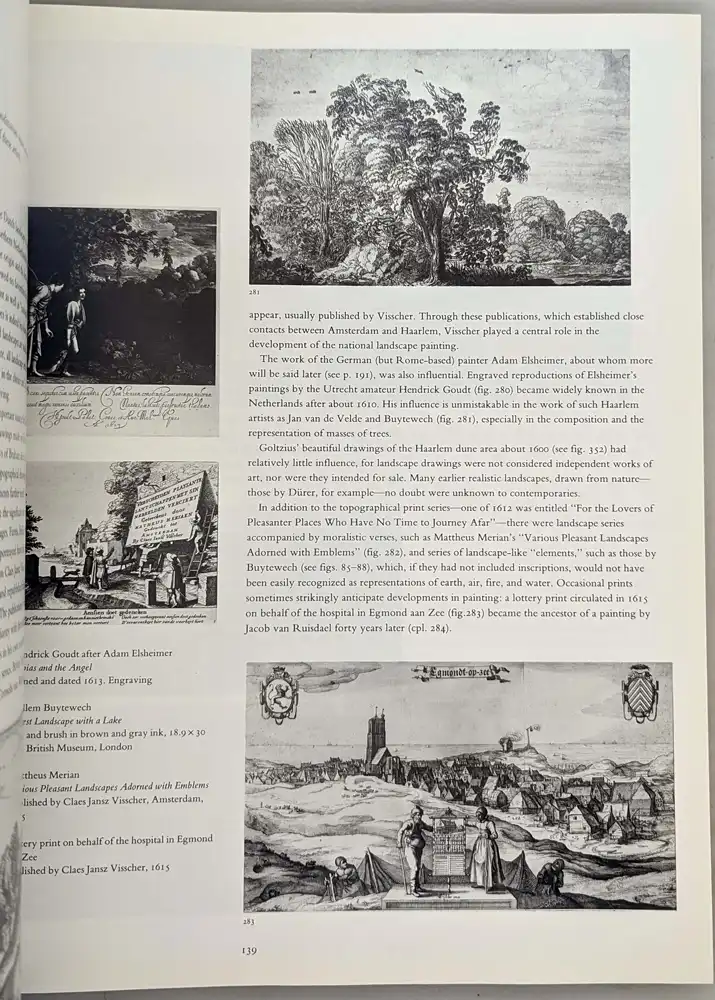
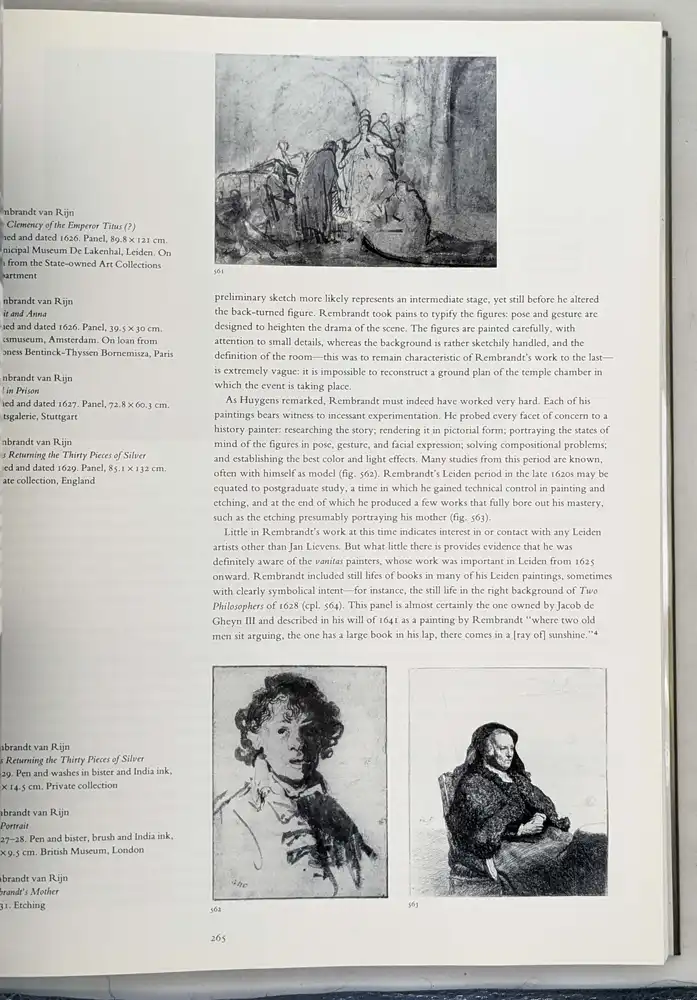
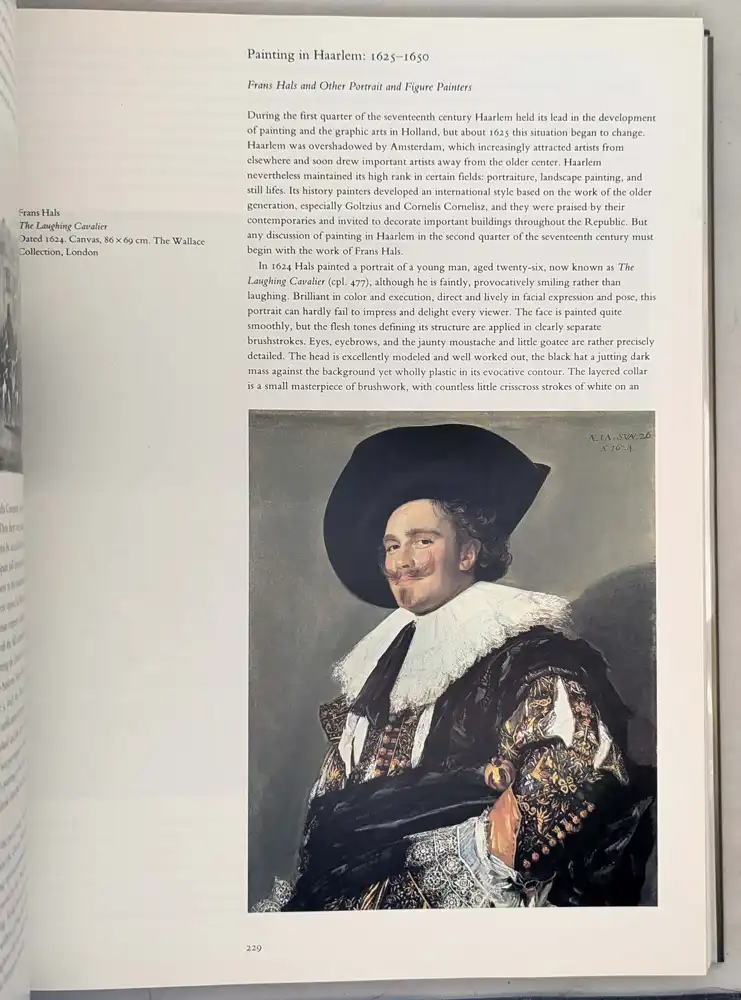
The book is lavishly illustrated with over a thousand reproductions, seventy-four of them in color, covering portraits of public officials, domestic interiors, winter skating scenes, church interiors, landscapes, seascapes, and still lifes ranging from humble bread and oysters to grand floral arrangements featuring priceless tulips. Haak’s text is particularly valued for its deep familiarity with the historical circumstances of Dutch art and its explanation of how painters forged a distinctive pictorial style as the nation forged its independence. A review in Artforum praised the book as comprehensive and almost encyclopedic, noting that while the color plates are relatively small, the black-and-white illustrations possess rich tonal values that recall Dutch etchings of the period.