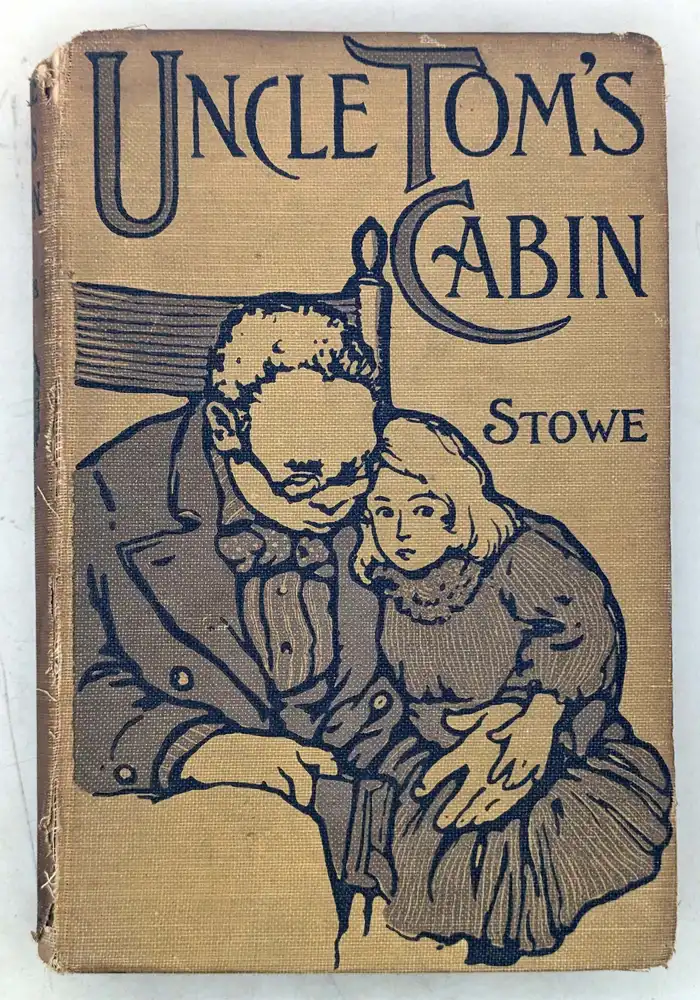
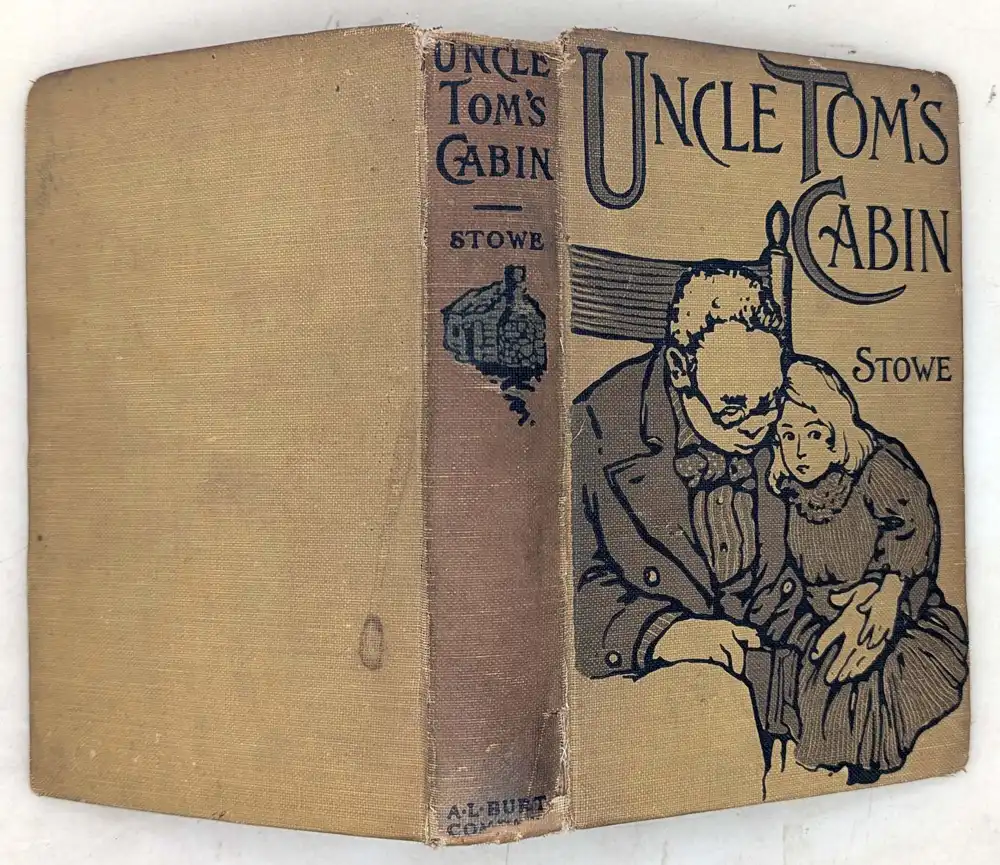
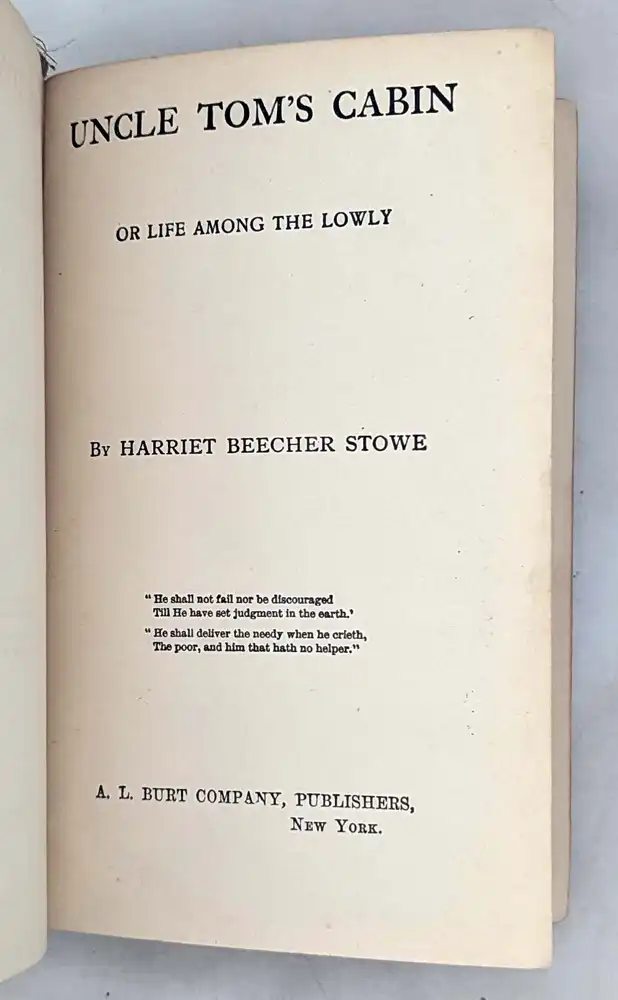
Uncle Tom’s Cabin; or, Life Among the Lowly is the antislavery novel by Harriet Beecher Stowe, first published in book form by John P. Jewett and Company in 1852, after appearing serially in the National Era newspaper beginning in June 1851. The novel opens on the Kentucky plantation of Arthur Shelby, a relatively humane slaveholder forced by debt to sell two of his enslaved people: Uncle Tom, a deeply religious and loyal man, and Harry, the young son of Eliza, who flees with her child across the frozen Ohio River to escape separation.
Tom accepts his sale with Christian resignation, and his subsequent journey southward carries him through a series of owners and circumstances. He is purchased by Augustine St. Clare of New Orleans and forms a bond with St. Clare’s daughter Eva, whose death prompts her father to promise Tom his freedom, though St. Clare is killed before he can fulfill it. Tom is then sold to Simon Legree, a brutal cotton plantation owner who seeks to break Tom’s faith and loyalty to his fellow enslaved people. Tom’s refusal to betray two women who escape, and his forgiveness of his tormentors even as Legree’s overseers beat him fatally, become the novel’s spiritual center. The book also follows Eliza, her husband George Harris, and other characters who escape northward and eventually to freedom in Canada and Africa.
Stowe drew on abolitionist accounts, including Josiah Henson’s narrative, and wrote with explicit moral purpose. The novel sold three hundred thousand copies in its first year in the United States and even more in Britain, becoming the best-selling novel of the nineteenth century and a potent force in shaping public opinion against slavery before the Civil War, though its sentimental style and characterizations have drawn criticism as well as praise in the centuries since.