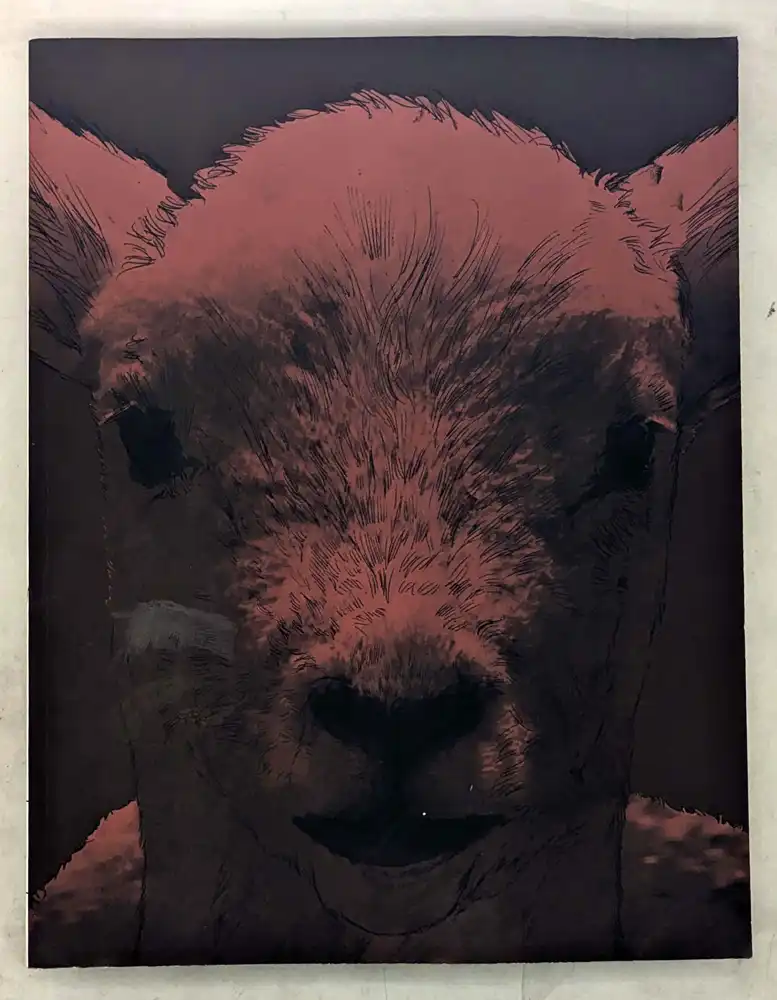
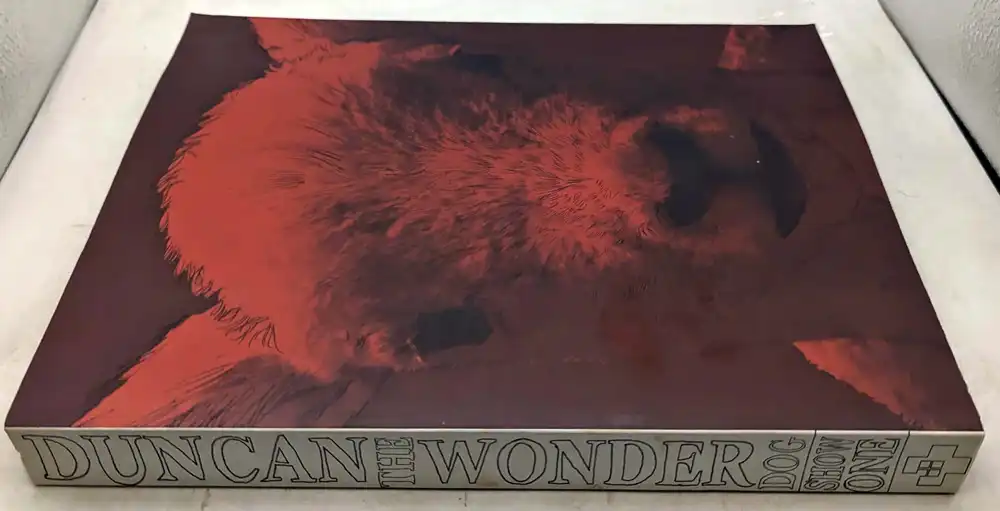
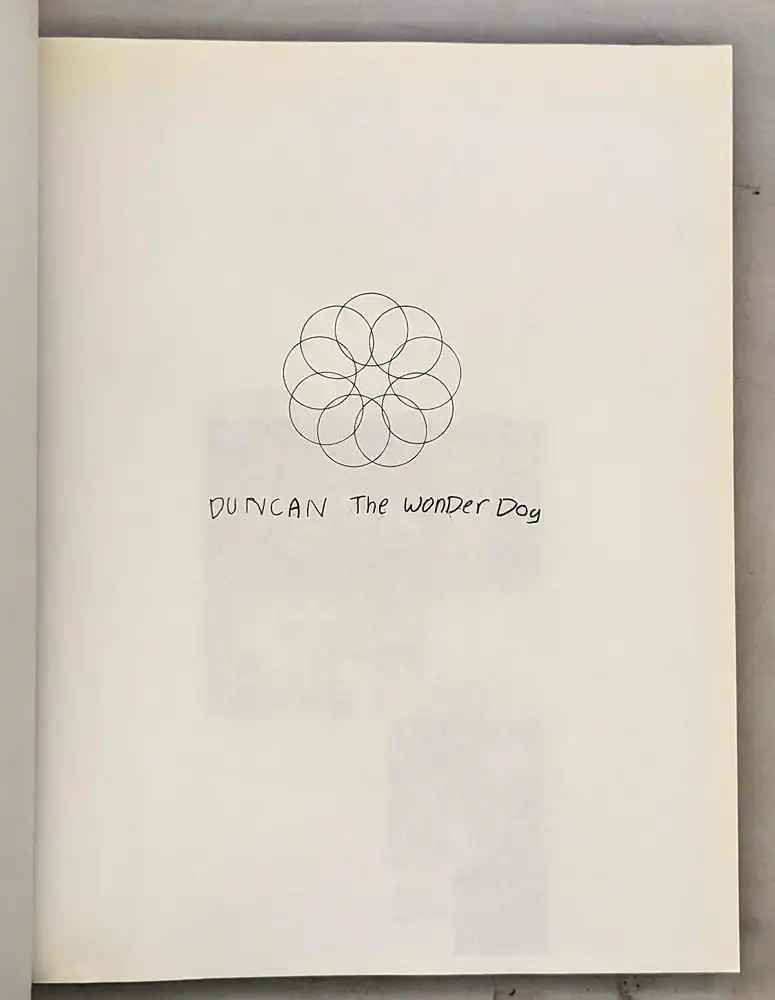
Adam Hines’s Duncan the Wonder Dog is a massive, ambitious graphic novel published by AdHouse Books in 2010. Set in a world almost exactly like our own with one crucial difference—all animals can speak and reason—the book explores the tense, often violent consequences of this reality. Humans still maintain dominion over other species, but a growing number of animals are deeply resentful of this hierarchy. The narrative is sparked by a bombing at a California university, orchestrated by a radical animal-rights organization led by a deranged Barbary macaque named Pompeii . This event serves as a springboard for a sprawling, complex story that examines the fractured relationships between humans and animals, as well as the differing perspectives among animal species themselves.
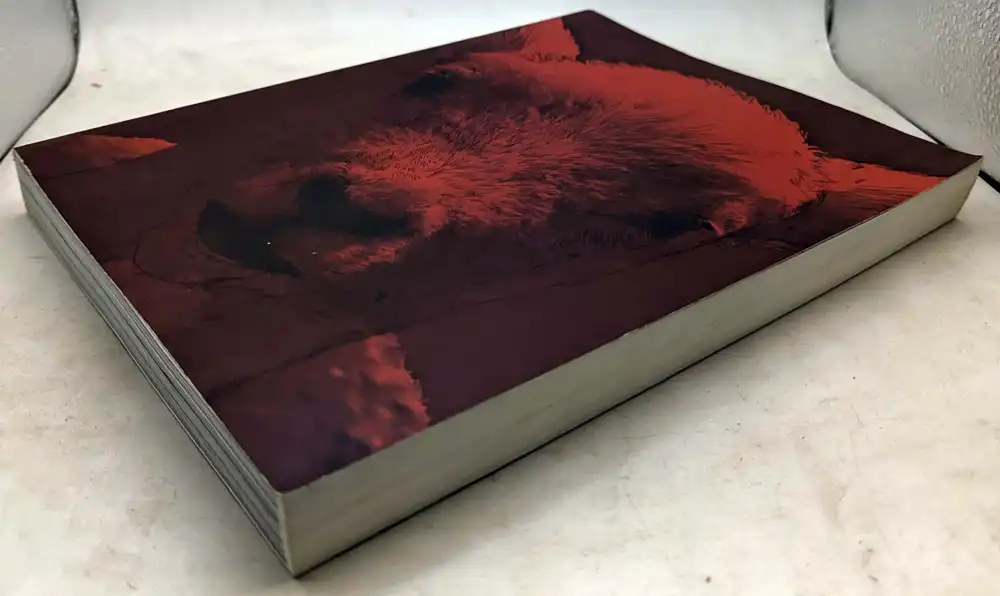
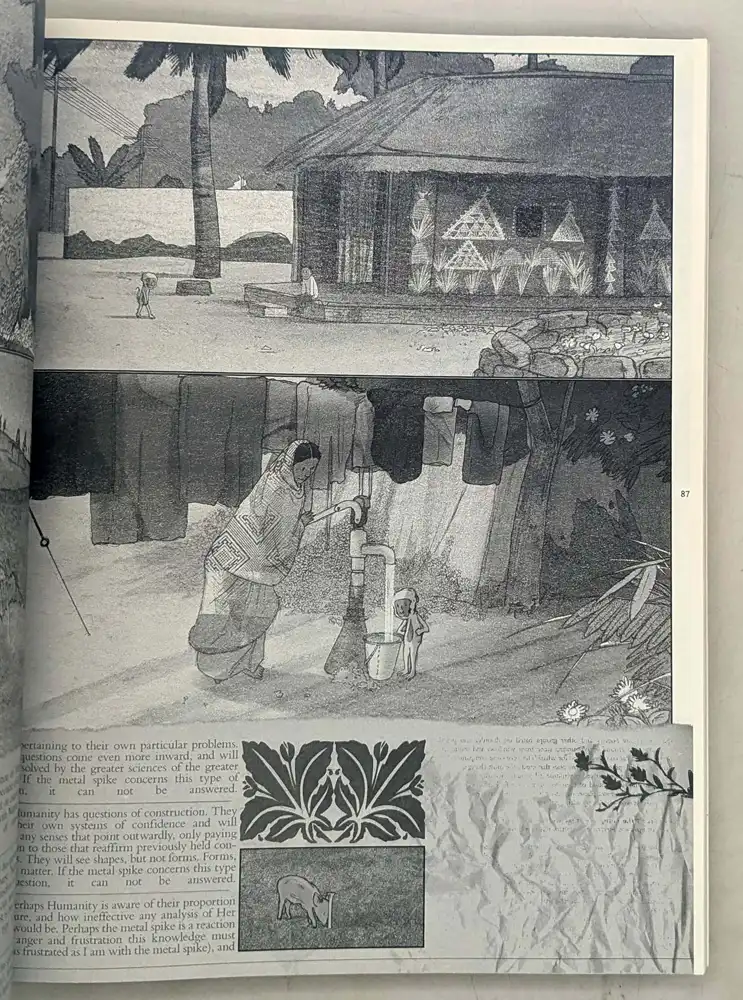
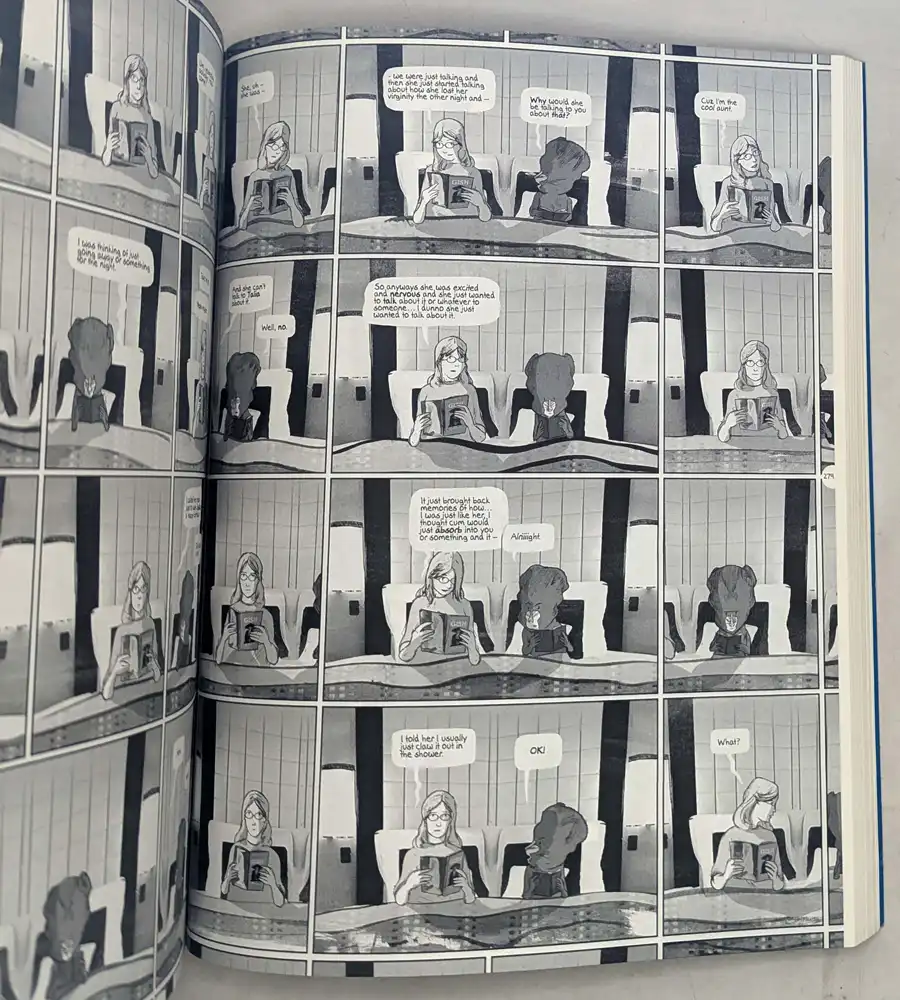
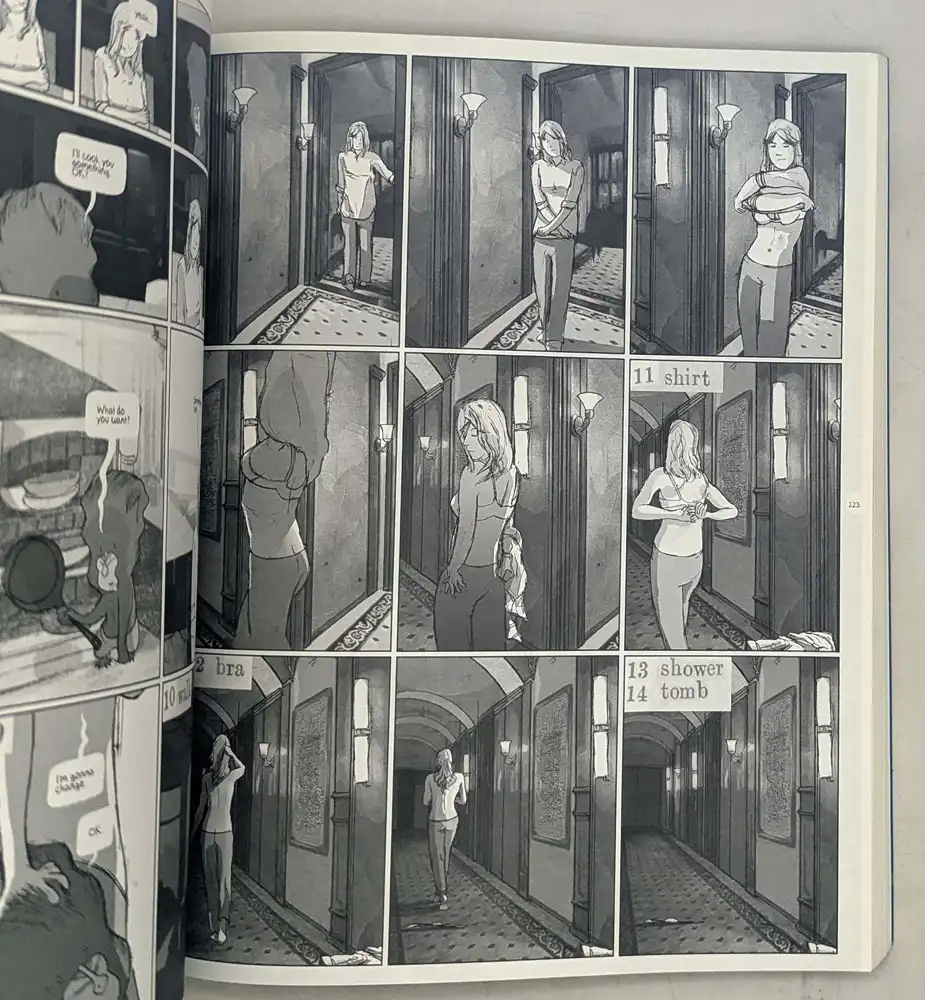
The nearly 400-page volume is structured as the first of a planned nine-book series, though subsequent volumes have not appeared . Rather than following a single linear plot, Hines weaves together a dense tapestry of stories within stories, interrupted by oblique vignettes, parables, and stunning visual set pieces. The titular wonder dog—a legendary figure who walks upright and possesses human hands—appears only briefly, while the narrative focuses on a cast including a wealthy mandrill named Voltaire, a federal agent named Vollmann, and a detective hunting the terrorists . Hines’s artwork is remarkably varied, shifting between clean cartooning, abstract landscapes, and near-photorealism, often on the same page. The book was awarded the inaugural Lynd Ward Prize for Graphic Fiction and was nominated for the LA Times Book Prize, cementing its reputation as a major, challenging work of graphic literature.