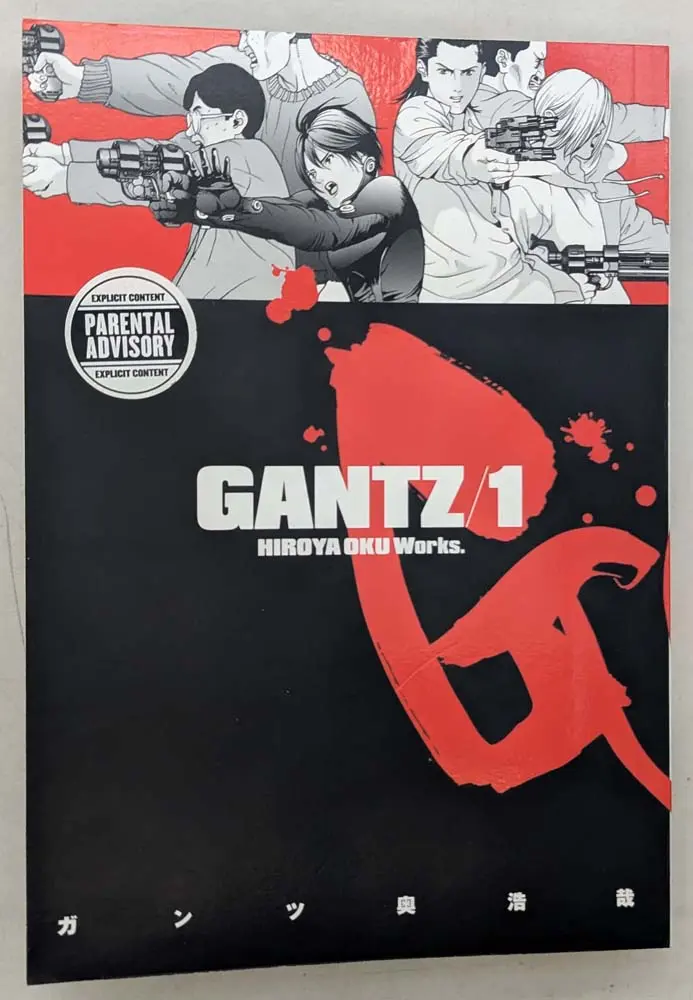

Gantz: The Brutal Existential Game of Death
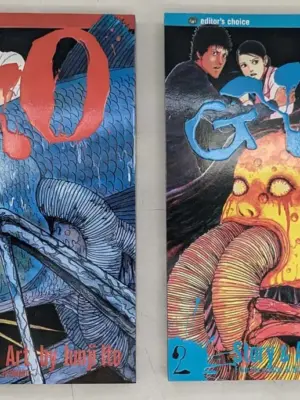
Gantz is a landmark seinen manga by Hiroya Oku, infamous for its extreme graphic violence, sexual content, and nihilistic exploration of modern Japanese apathy. The narrative begins when two former classmates, Kei Kurono and Masaru Kato, die in a subway accident. Instead of an afterlife, they wake up in a spartan Tokyo apartment with other recently deceased individuals, overseen by a mysterious, silent black sphere known as Gantz. Forced into a cruel game, they are equipped with advanced weaponry and skin-tight suits, then teleported to hunt down and exterminate grotesque, often alien-like “targets” in real-world locations. Survival grants points; earning 100 points offers a chance at freedom, resurrection, or greater power.
The series is a relentless psychological and physical onslaught. Oku’s use of detailed, photorealistic CGI-referenced art creates a visceral, unsettling authenticity for both the mundane urban settings and the hyper-violent, biomechanical horrors of the battles. It ruthlessly deconstructs its characters, stripping away social facades to expose their base instincts of cowardice, lust, selfishness, and fleeting heroism under the existential pressure of imminent, meaningless death.
Gantz is a seminal work in mature, sci-fi horror manga, pushing boundaries for graphic content and moral ambiguity in the mainstream. Its core premise—ordinary people forced into lethal missions by an inscrutable entity—directly influenced a wave of “death game” and survival horror series, most notably Darwin’s Game, Alice in Borderland, and Future Diary. Its unflinching, often misanthropic portrayal of human nature under duress set a new benchmark for cynical storytelling in the genre.
Technically, Oku’s pioneering use of 3D modeling for manga backgrounds and dynamic action sequences significantly impacted the industry’s approach to digital art, lending Gantz its unique, cinematic, and coldly realistic aesthetic. While controversial for its content, Gantz’s fusion of ultraviolent spectacle with profound questions about life, death, and purpose left an indelible mark, proving that extreme genre fiction could grapple with heavyweight existential themes and permanently altering the landscape of dark seinen.