
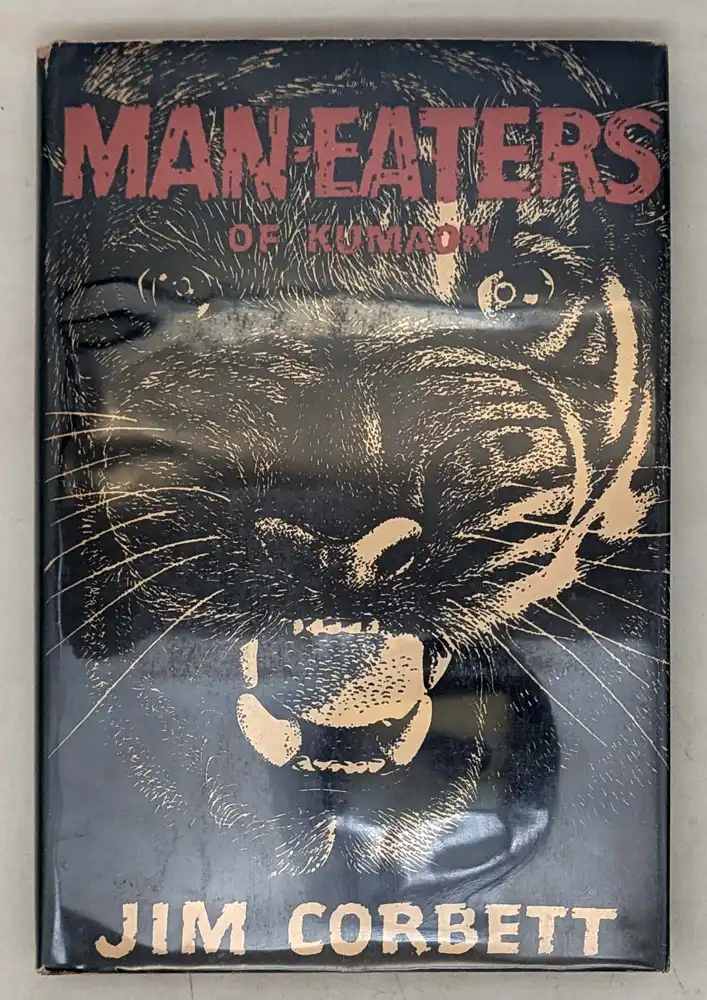

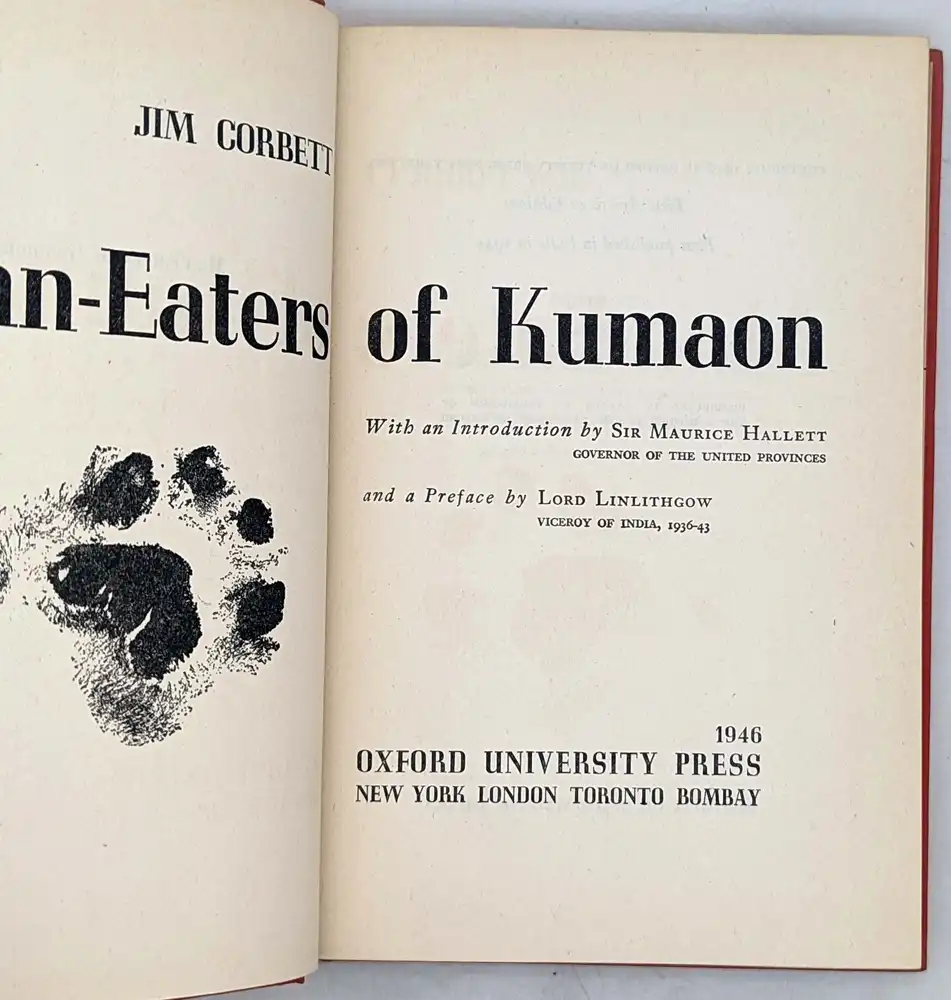
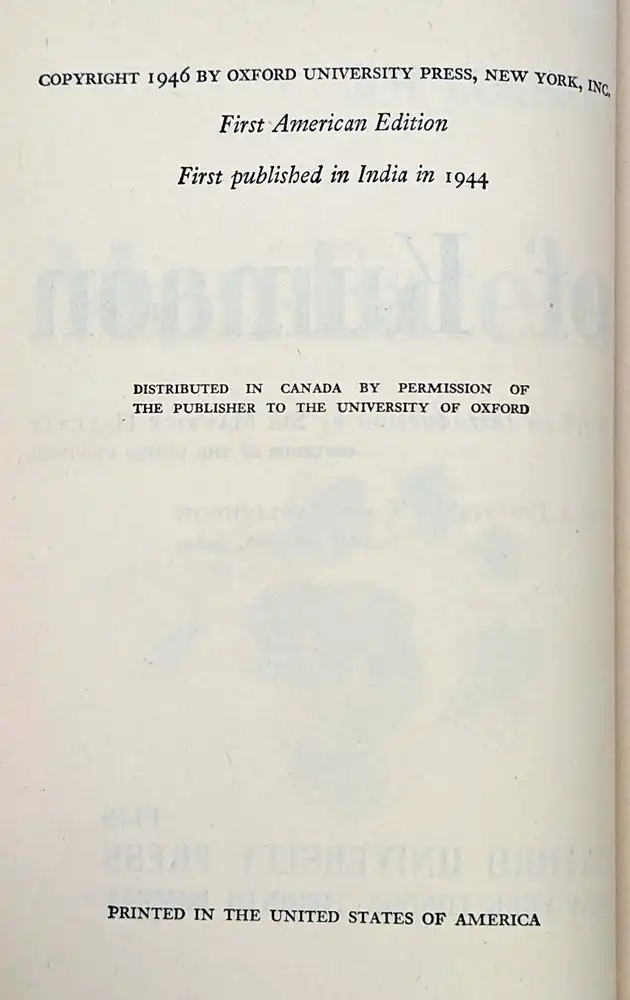
Man-Eaters of Kumaon is a classic work of adventure and natural history written by the legendary hunter-naturalist Jim Corbett, first published in 1944 by Oxford University Press in Bombay, India. The book emerged from a small, privately printed collection of seven stories titled Jungle Stories, of which only 100 copies were distributed among friends in 1935. It was at the urging of a close friend that Corbett, while recovering from illness, expanded this material into the ten stories that would become his most famous work.
The book is a collection of true, first-hand accounts detailing Corbett’s experiences tracking and hunting man-eating Bengal tigers and Indian leopards in the Kumaon region of the Indian Himalayas, spanning from the 1900s to the 1930s . Each chapter presents a different and harrowing pursuit, including the legendary story of the Champawat tiger, a single tigress Corbett shot in 1907 that was responsible for a documented 436 human deaths . Other notable tales involve the hunting of the Chowgarh tigers, a pair of mother and grown cub that killed 64 people, and the Thak man-eater, his last such hunt at the age of 63 in 1938. The narratives also include lighter moments, such as a tribute to his faithful dog Robin and reflections on the joys of fishing, as well as a final chapter on the importance of tiger conservation.
The 1944 first edition, published during World War II, had a small print run due to paper shortages and contained a chapter titled “Just Tigers” and extra photographs not found in later editions . Its success was immediate and immense. By 1946, over half a million copies were in print, and it has since sold over four million copies worldwide, being translated into numerous languages . The book’s enduring legacy lies in its thrilling, compassionate portrayal of the Indian jungle and its deep empathy for the impoverished villagers terrorized by these predators.