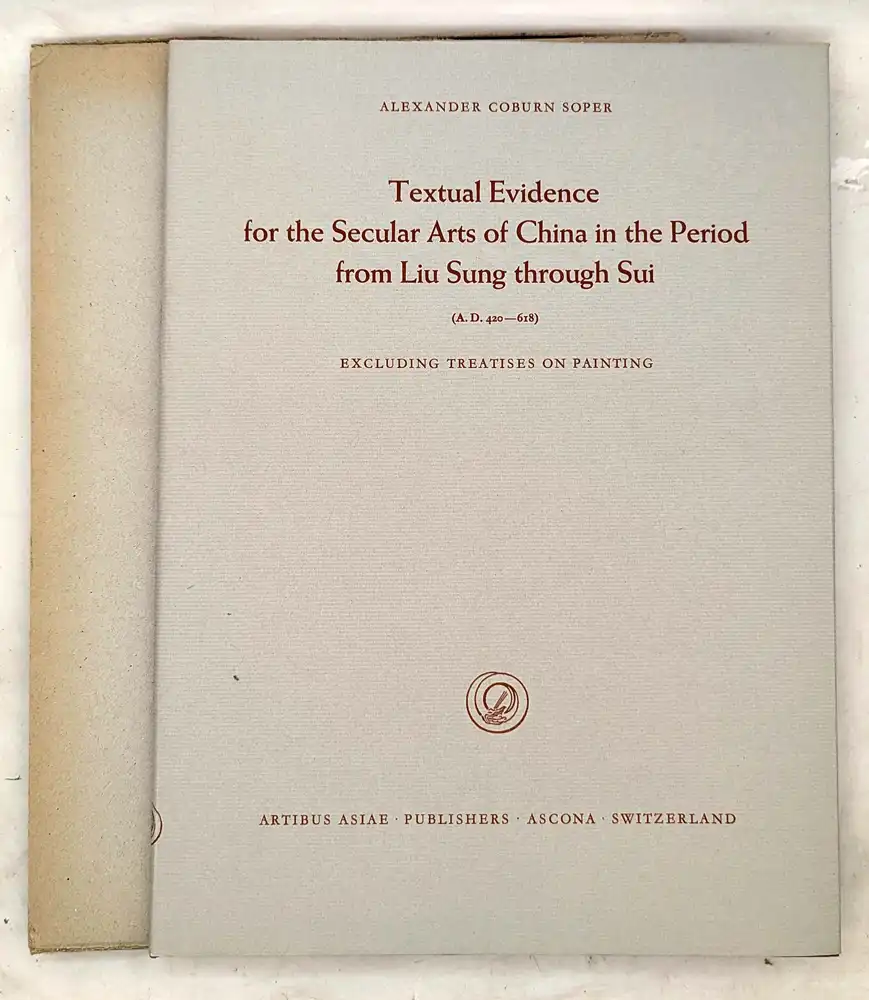
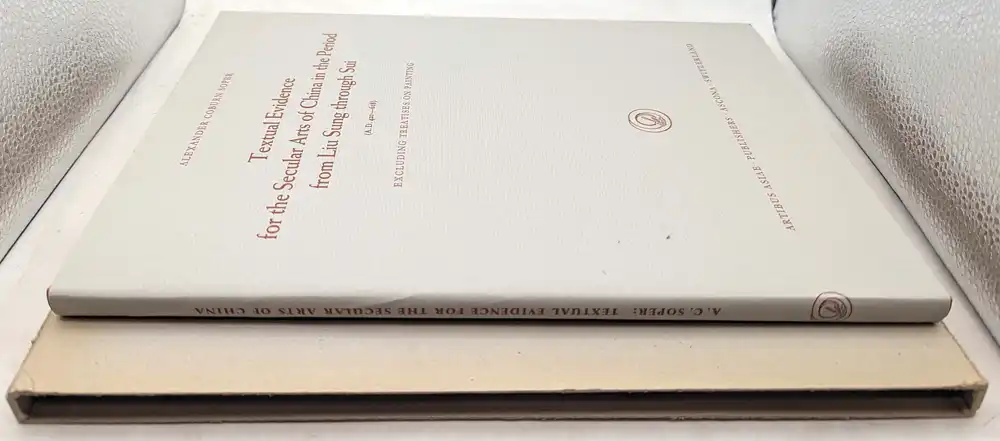
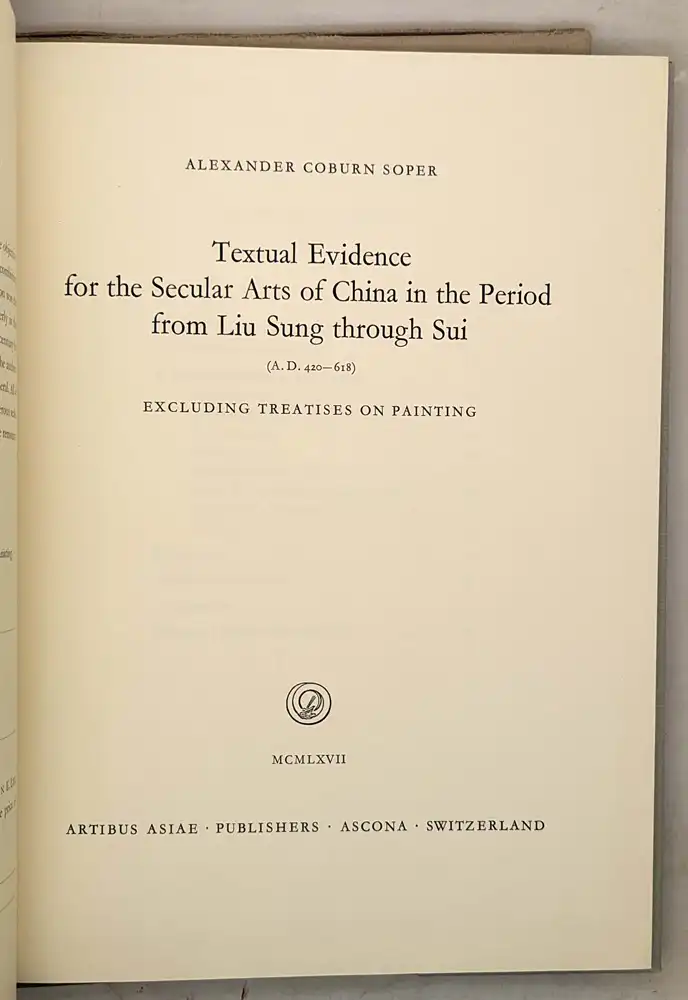
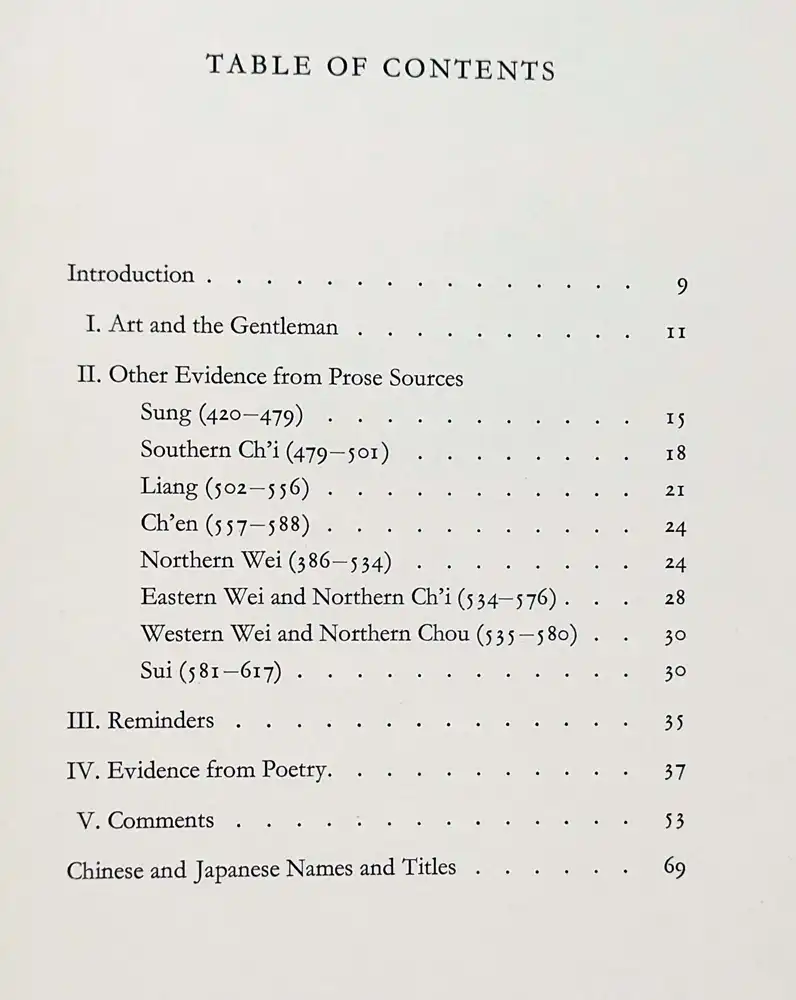
Alexander Coburn Soper’s Textual Evidence for the Secular Arts of China in the Period from Liu Sung through Sui, published in 1967 by Artibus Asiae, represents a significant contribution to the scholarly understanding of early medieval Chinese art. This work serves as the twenty-fourth supplement to the esteemed journal Artibus Asiae, continuing the publication’s tradition of producing authoritative monographs on Asian art history.
The volume focuses specifically on the period from the Liu Sung dynasty through the Sui dynasty, covering the years 420 to 618. This era, bridging the Northern and Southern Dynasties with the reunification under Sui, witnessed complex developments in Chinese secular art that Soper illuminates through careful examination of textual sources. The work deliberately excludes treatises on painting, instead concentrating on other forms of secular artistic expression documented in contemporary writings.
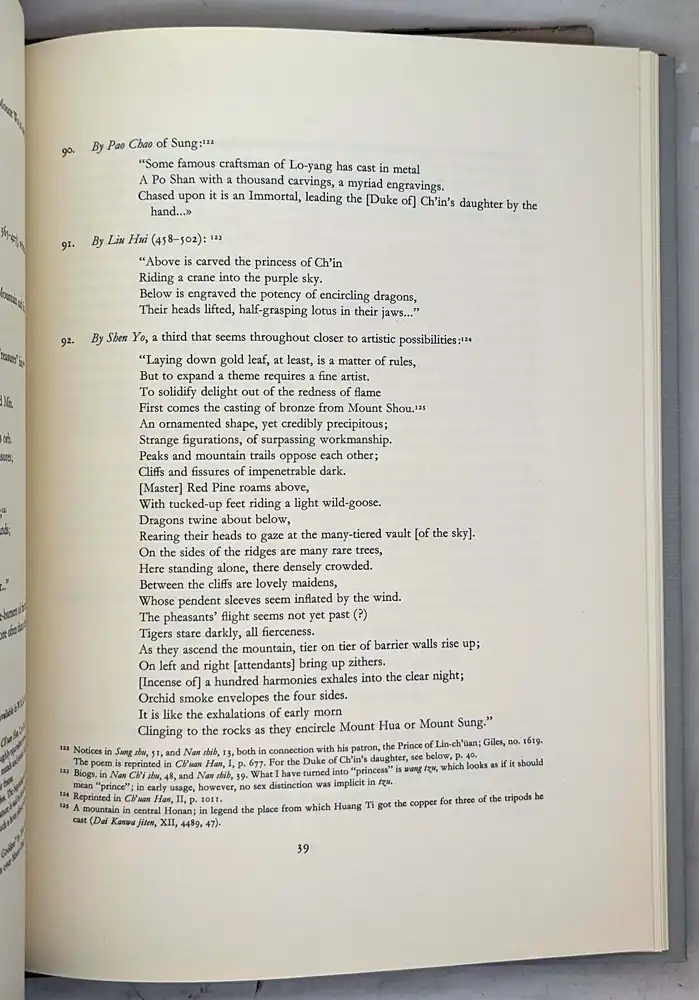
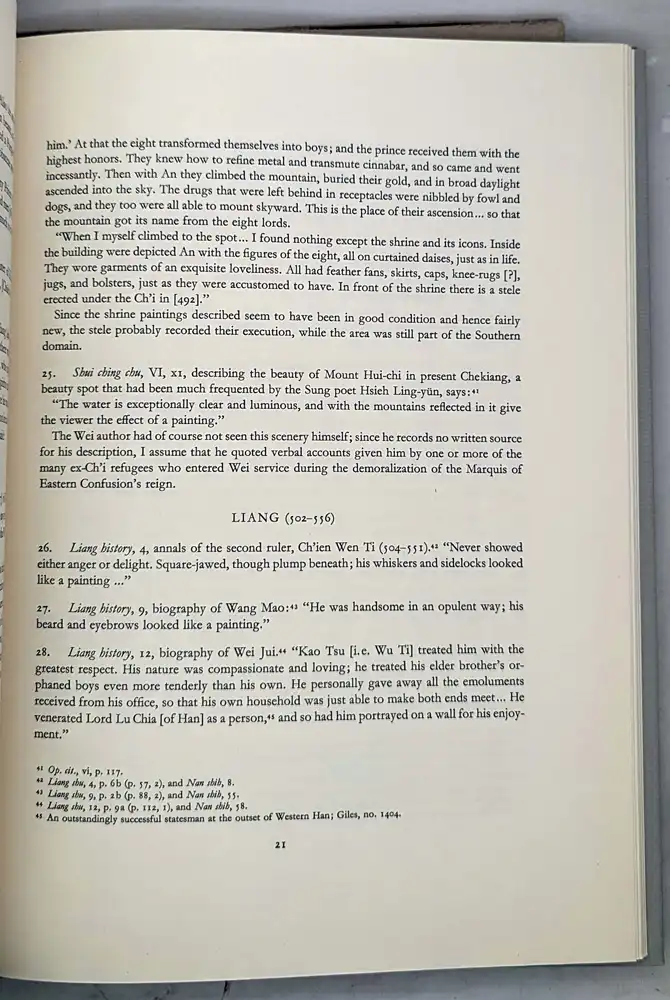
Soper’s methodology involves gathering and analyzing references to secular arts found in dynastic histories, literary collections, and other textual materials from the period. Through these sources, he reconstructs aspects of artistic production that might otherwise remain invisible to modern scholars, including architecture, decorative arts, sculpture, and various luxury crafts that adorned the lives of the educated elite.
The physical volume extends to seventy-one or seventy-two pages depending on the copy, accompanied by illustrative plates that support the textual analysis. Published in Ascona, Switzerland, the book measures thirty-two centimeters, placing it in the oversized format typical of art historical works requiring quality reproductions. Bibliographical footnotes throughout attest to Soper’s rigorous scholarship and engagement with both primary sources and secondary literature.
For scholars of Chinese art history, this monograph remains an essential reference work, demonstrating how textual evidence can illuminate material culture when physical objects have not survived. Soper’s careful readings of historical documents provide invaluable context for understanding the secular arts that flourished during this transformative period in Chinese civilization.