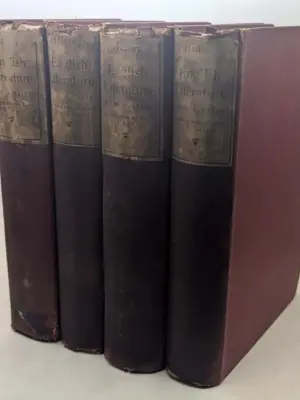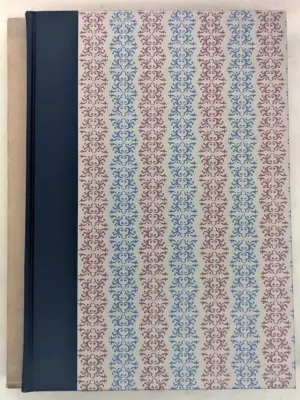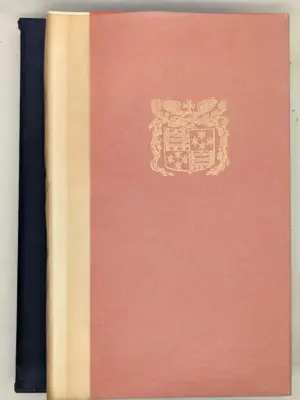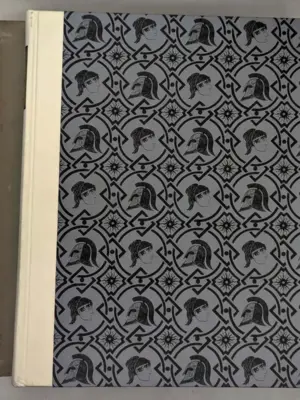


The Dolphin: A Journal of the Making of Books, Number One stands as a landmark publication in the history of book arts and fine printing. Published in 1933 by the Limited Editions Club in New York, this inaugural issue emerged from the visionary mind of George Macy, the founder of the Club, who sought to create a publication that would explore every facet of bookmaking with the same care and artistry applied to the Club’s own limited editions.
The volume is itself a testament to its subject matter. Printed in an edition of twelve hundred copies, it was designed by the typographer Elmer Adler and set in Monotype Caslon, with the paper chosen specifically for its quality and durability. Unlike traditional periodicals, The Dolphin was conceived as an annual miscellany—a substantial, book-like publication intended to be collected and preserved. Its contents range across the history, technique, and aesthetics of the book arts, with contributions from leading figures in typography, illustration, printing, and bibliography. The issue includes essays on papermaking, type design, binding, and illustration, alongside historical studies of significant presses and printers.
The roster of contributors reads as a who’s who of the book world in the early twentieth century: John T. Winterich writes on Gutenberg, D. B. Updike on the relationship between printer and publisher, and Paul Beaujon (the pseudonym of Beatrice Warde) contributes on type revivals. Illustrations, specimens of type, and reproductions of fine bindings appear throughout, making the journal as visually instructive as it is textually rich. The Dolphin, Number One was conceived not simply as a collection of articles but as a working tool for those who loved books—a publication intended to deepen understanding of how books are made and to celebrate the collaborative craftsmanship behind them.