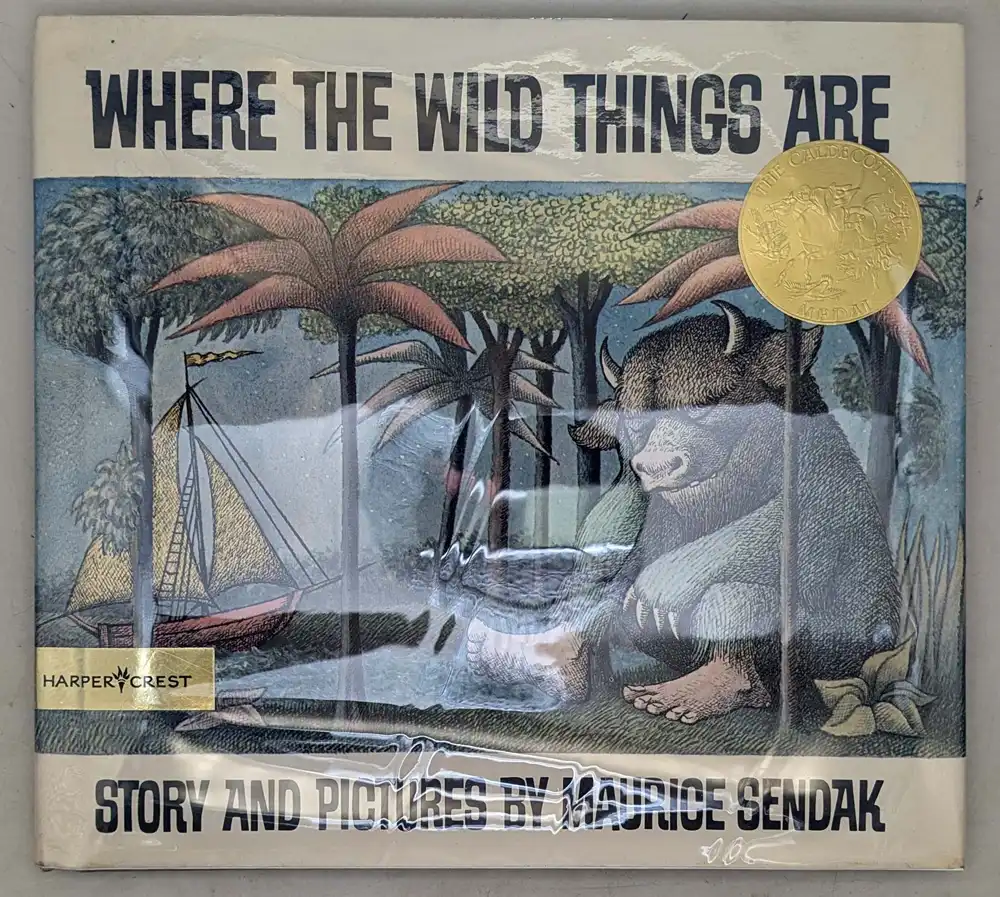
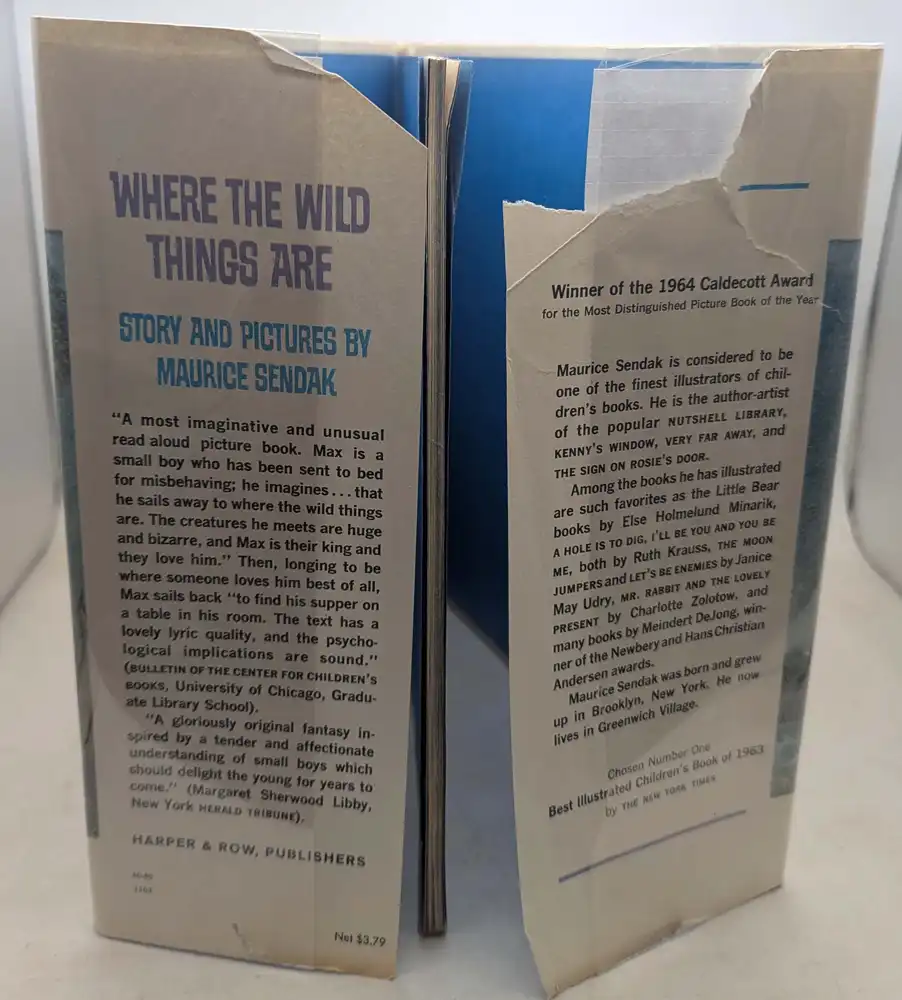
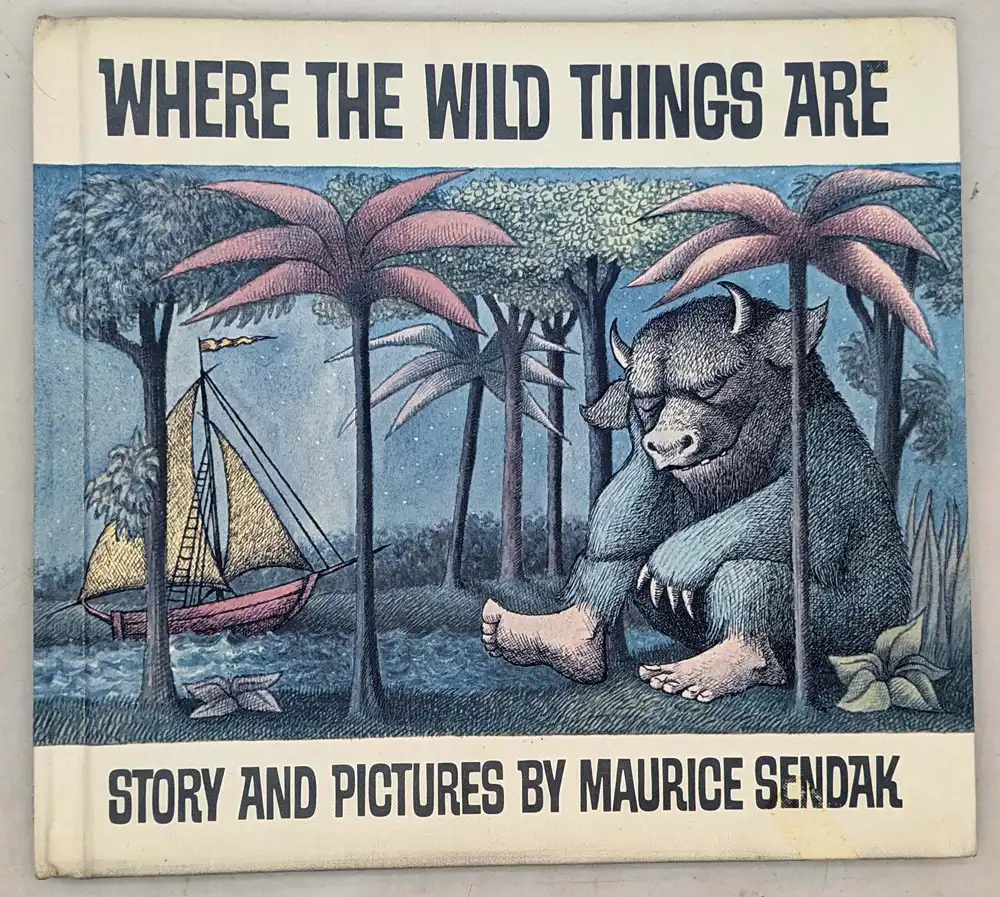
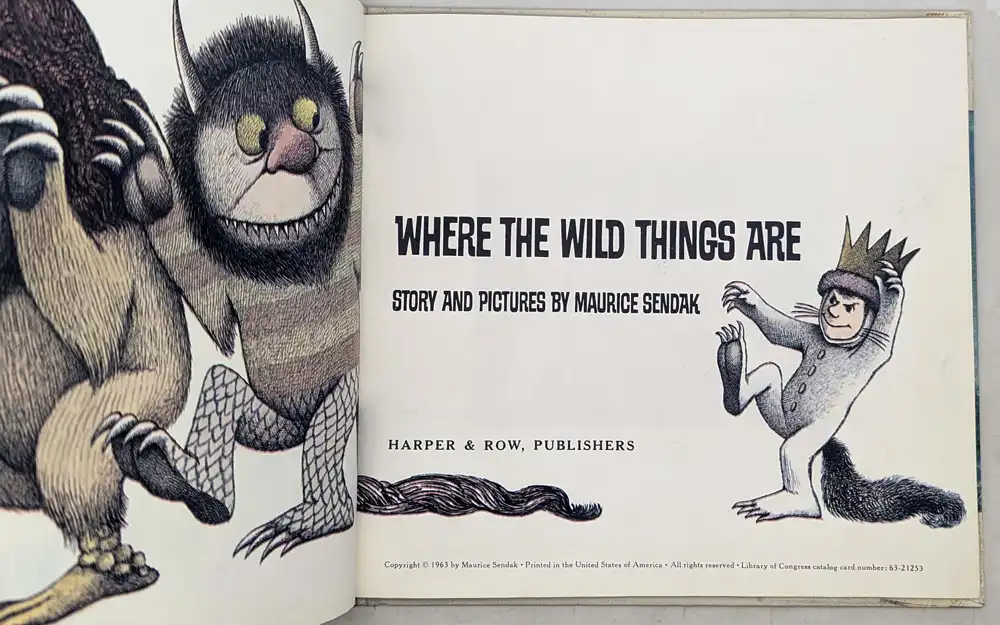
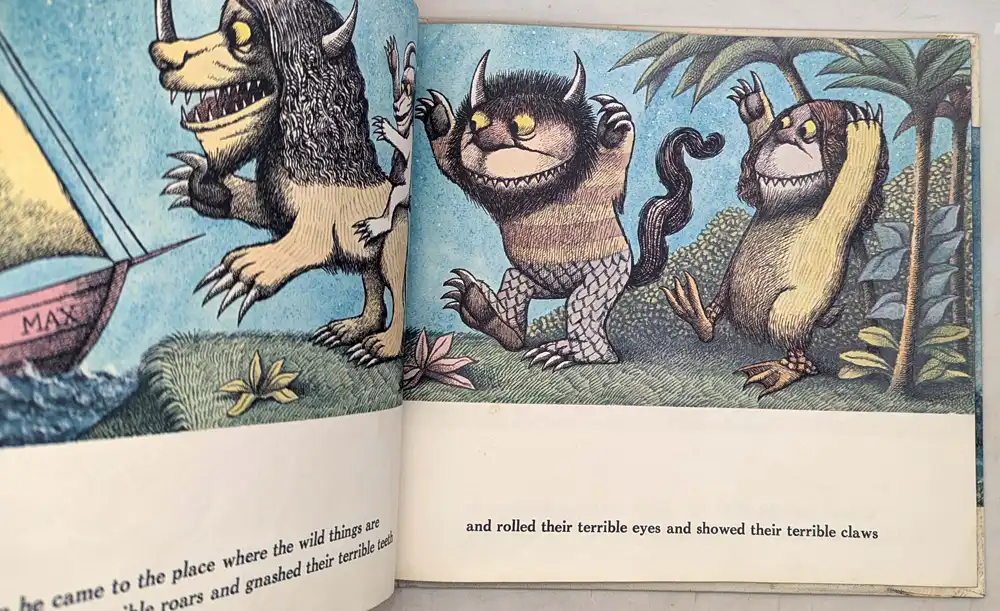
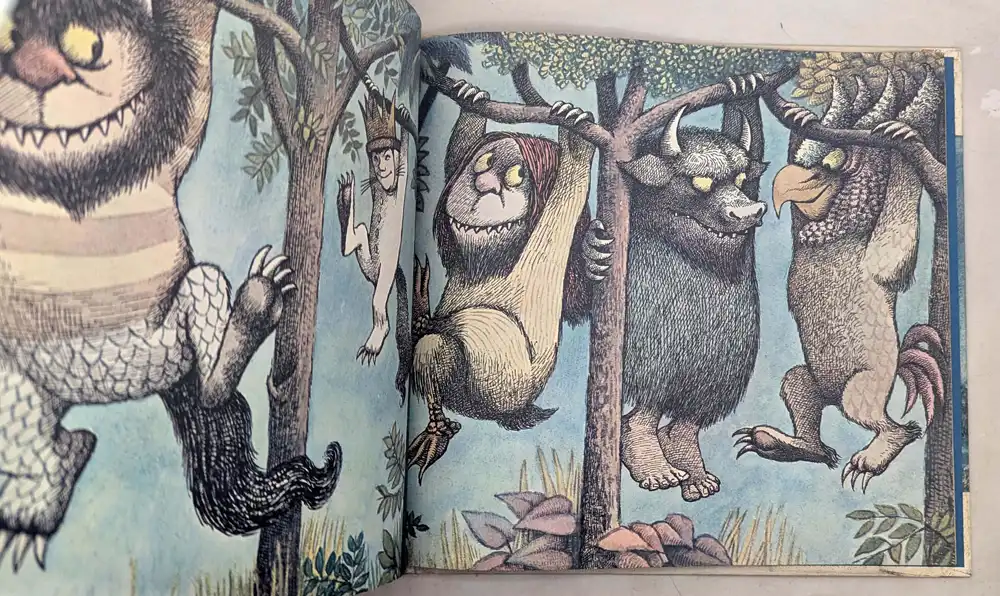
Where the Wild Things Are, written and illustrated by Maurice Sendak, is a landmark of children’s literature that redefined the genre with its unflinching acknowledgment of childhood rage, imagination, and the profound comfort of home. First published in 1963 by Harper & Row, the book tells the deceptively simple story of Max, a boy in a wolf costume whose wild behavior earns him a stern rebuke from his mother and a subsequent sentence of bed without supper. From the confines of his room, Max embarks on an extraordinary journey of the imagination, sailing across the sea to a land of fearsome creatures, the Wild Things, who, despite their ferocious appearances, are no match for Max’s commanding presence. He tames them with a magic trick of staring into their yellow eyes without blinking, becoming their king and reveling in a glorious rumpus of dancing, swinging, and uninhibited wildness. Yet even in the midst of this exhilarating freedom, Max feels the pang of loneliness and the deep, unspoken longing for the warmth of home, ultimately returning to find his supper waiting for him, still hot.
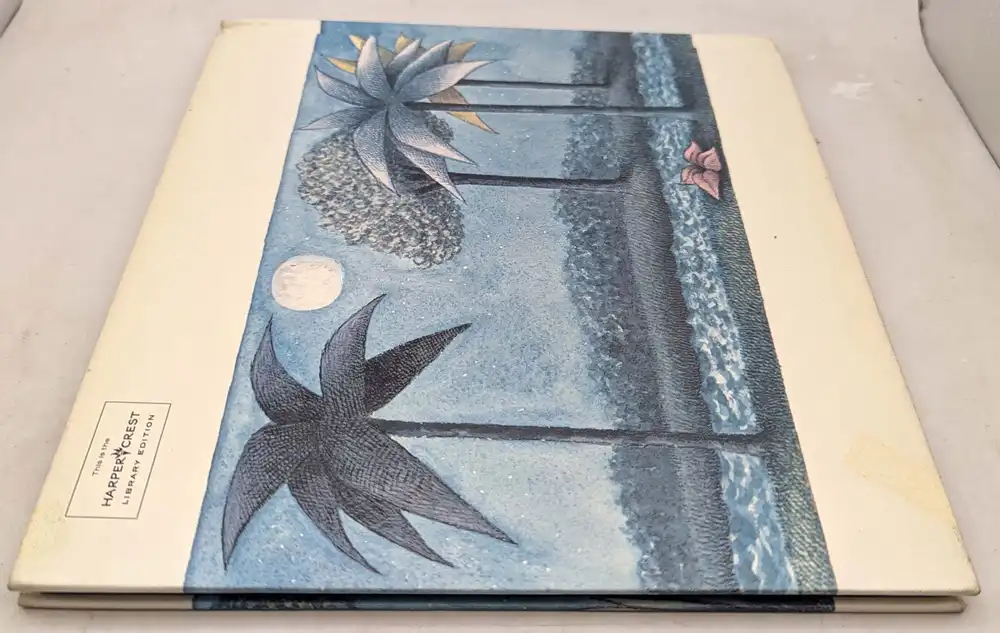
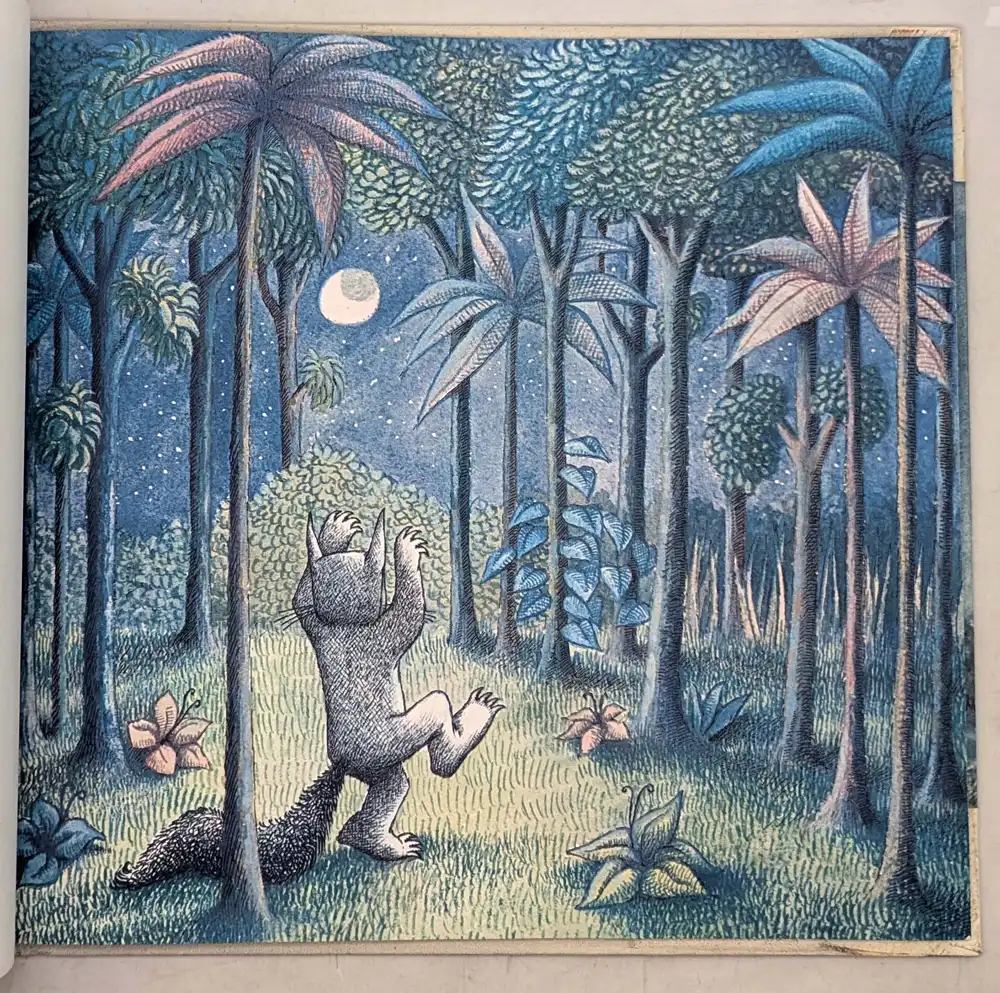
Sendak’s illustrations are the true heart of the book, a masterpiece of visual storytelling that expands and contracts the narrative space in direct reflection of Max’s emotional journey. The early pages are filled with vignettes and bordered illustrations, but as Max’s imagination takes flight, the borders dissolve, and the art expands to become double-page spreads that overflow with the chaotic energy of the Wild Things, creatures rendered with a grotesque yet oddly lovable charm, each one a unique composite of feather, fur, and horn. Sendak’s cross-hatched pen-and-ink lines and muted, shadowy palette create a world that is both dreamlike and deeply visceral, a testament to the power of the subconscious. The book’s enduring genius lies in its refusal to condescend, acknowledging that children experience and navigate powerful, even frightening, emotions and that the journey away from home can ultimately deepen the appreciation for the love that awaits one’s return. Where the Wild Things Are is not just a book but an experience, a profound and resonant exploration of the wildness within us all and the unwavering anchor of home.