Ferdinand Hodler - A Troubled Soul (art, paintings)
Ferdinand Hodler: artist, painter - Collection of artworks, landscapes, portraits, the night.

Ferdinand Hodler - Adoration (III) (art, paintings)
Ferdinand Hodler: artist, painter - Collection of artworks, landscapes, portraits, the night.

Ferdinand Hodler - Anbetung (art, paintings)
Ferdinand Hodler: artist, painter - Collection of artworks, landscapes, portraits, the night.

Ferdinand Hodler - At the Foot of Mr Saleve (art, paintings)
Ferdinand Hodler: artist, painter - Collection of artworks, landscapes, portraits, the night.

Ferdinand Hodler - Communication with Infinity (art, paintings)
Ferdinand Hodler: artist, painter - Collection of artworks, landscapes, portraits, the night.

Ferdinand Hodler - Day (art, paintings)
Ferdinand Hodler: artist, painter - Collection of artworks, landscapes, portraits, the night.

Ferdinand Hodler - Der Angler (art, paintings)
Ferdinand Hodler: artist, painter - Collection of artworks, landscapes, portraits, the night.

Ferdinand Hodler - Der Studierende Selbstbildnis (art, paintings)
Ferdinand Hodler: artist, painter - Collection of artworks, landscapes, portraits, the night.
Ferdinand Hodler - Die Dents du Midi von Chesieres aus - 1912 (art, paintings)
Ferdinand Hodler: artist, painter - Collection of artworks, landscapes, portraits, the night.

Ferdinand Hodler - Dream (art, paintings)
Ferdinand Hodler: artist, painter - Collection of artworks, landscapes, portraits, the night.

Ferdinand Hodler - Emotion (art, paintings)
Ferdinand Hodler: artist, painter - Collection of artworks, landscapes, portraits, the night.

Ferdinand Hodler - Floraison (art, paintings)
Ferdinand Hodler: artist, painter - Collection of artworks, landscapes, portraits, the night.

Ferdinand Hodler - Forest Stream (art, paintings)
Ferdinand Hodler: artist, painter - Collection of artworks, landscapes, portraits, the night.

Ferdinand Hodler - Joyous Woman (art, paintings)
Ferdinand Hodler: artist, painter - Collection of artworks, landscapes, portraits, the night.

Ferdinand Hodler - Jungfrau and Silverhorn, as Seen from Murren (art, paintings)
Ferdinand Hodler: artist, painter - Collection of artworks, landscapes, portraits, the night.

Ferdinand Hodler - Lake of Geneve (art, paintings)
Ferdinand Hodler: artist, painter - Collection of artworks, landscapes, portraits, the night.

Ferdinand Hodler - Lake Thun Landscape (art, paintings)
Ferdinand Hodler: artist, painter - Collection of artworks, landscapes, portraits, the night.

Ferdinand Hodler - Landscape (art, paintings)
Ferdinand Hodler: artist, painter - Collection of artworks, landscapes, portraits, the night.

Ferdinand Hodler - Mother and Child (art, paintings)
Ferdinand Hodler: artist, painter - Collection of artworks, landscapes, portraits, the night.

Ferdinand Hodler - Night (art, paintings)
Ferdinand Hodler: artist, painter - Collection of artworks, landscapes, portraits, the night.

Ferdinand Hodler - Pansies (art, paintings)
Ferdinand Hodler: artist, painter - Collection of artworks, landscapes, portraits, the night.

Ferdinand Hodler - Portrait of Gertrud Muller (art, paintings)
Ferdinand Hodler: artist, painter - Collection of artworks, landscapes, portraits, the night.

Ferdinand Hodler - Portrait of Helene Weigle (art, paintings)
Ferdinand Hodler: artist, painter - Collection of artworks, landscapes, portraits, the night.

Ferdinand Hodler - Portrait of Louise-Delphine Duchosal (art, paintings)
Ferdinand Hodler: artist, painter - Collection of artworks, landscapes, portraits, the night.

Ferdinand Hodler - Reading Man (art, paintings)
Ferdinand Hodler: artist, painter - Collection of artworks, landscapes, portraits, the night.

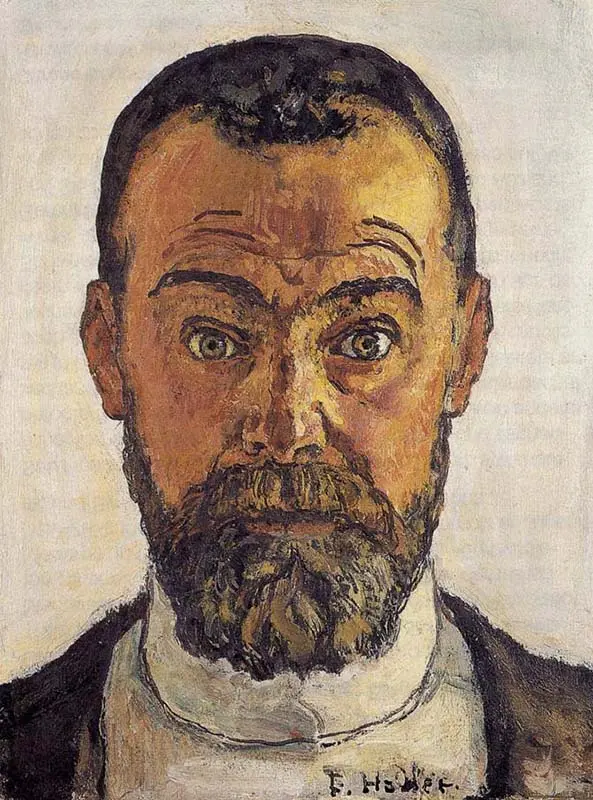
Ferdinand Hodler - Self Portrait (art, paintings)
Ferdinand Hodler: artist, painter - Collection of artworks, landscapes, portraits, the night.

Ferdinand Hodler - Self Potrait 2 (art, paintings)
Ferdinand Hodler: artist, painter - Collection of artworks, landscapes, portraits, the night.

Ferdinand Hodler - Silence of the Evening (art, paintings)
Ferdinand Hodler: artist, painter - Collection of artworks, landscapes, portraits, the night.

Ferdinand Hodler - Spring (art, paintings)
Ferdinand Hodler: artist, painter - Collection of artworks, landscapes, portraits, the night.

Ferdinand Hodler - The Angry One (art, paintings)
Ferdinand Hodler: artist, painter - Collection of artworks, landscapes, portraits, the night.

Ferdinand Hodler - The Breithorn (art, paintings)
Ferdinand Hodler: artist, painter - Collection of artworks, landscapes, portraits, the night.
Ferdinand Hodler - The Consecrated One (art, paintings)
Ferdinand Hodler: artist, painter - Collection of artworks, landscapes, portraits, the night.

Ferdinand Hodler - The Dream (art, paintings)
Ferdinand Hodler: artist, painter - Collection of artworks, landscapes, portraits, the night.

Ferdinand Hodler - The Dying Valentine Gode-Darel (art, paintings)
Ferdinand Hodler: artist, painter - Collection of artworks, landscapes, portraits, the night.

Ferdinand Hodler - The Nut Tree (art, paintings)
Ferdinand Hodler: artist, painter - Collection of artworks, landscapes, portraits, the night.

Ferdinand Hodler - The Reaper (art, paintings)
Ferdinand Hodler: artist, painter - Collection of artworks, landscapes, portraits, the night.

Ferdinand Hodler - The Sick Valentine Gode-Darel (art, paintings)
Ferdinand Hodler: artist, painter - Collection of artworks, landscapes, portraits, the night.

Ferdinand Hodler - Thumersee with Stockhornkette in Winter (art, paintings)
Ferdinand Hodler: artist, painter - Collection of artworks, landscapes, portraits, the night.

Ferdinand Hodler - View into Infinity (art, paintings)
Ferdinand Hodler: artist, painter - Collection of artworks, landscapes, portraits, the night.
Ferdinand Hodler - Youth Admired by Women (I) (art, paintings)
Ferdinand Hodler: artist, painter - Collection of artworks, landscapes, portraits, the night.
Ferdinand Hodler [1871] - Charlet in Hilterfingen (art, paintings)
Ferdinand Hodler: artist, painter - Collection of artworks, landscapes, portraits, the night.
![Ferdinand Hodler [1875] - Ein Morgen bei Interlaken (art, paintings)](data:image/svg+xml,%3Csvg%20xmlns='http://www.w3.org/2000/svg'%20width='393'%20height='280'%20viewBox='0%200%20393%20280'%3E%3C/svg%3E "Ferdinand Hodler Paintings")
Ferdinand Hodler [1875] - Ein Morgen bei Interlaken (art, paintings)
Ferdinand Hodler: artist, painter - Collection of artworks, landscapes, portraits, the night.
![Ferdinand Hodler [1878-79] - Am Ufer des Manzanares (art, paintings)](data:image/svg+xml,%3Csvg%20xmlns='http://www.w3.org/2000/svg'%20width='417'%20height='280'%20viewBox='0%200%20417%20280'%3E%3C/svg%3E "Ferdinand Hodler Paintings")
Ferdinand Hodler [1878-79] - Am Ufer des Manzanares (art, paintings)
Ferdinand Hodler: artist, painter - Collection of artworks, landscapes, portraits, the night.
![Ferdinand Hodler [1878-79] - Die Muhle von Sousterre bei Genf (art, paintings)](data:image/svg+xml,%3Csvg%20xmlns='http://www.w3.org/2000/svg'%20width='384'%20height='280'%20viewBox='0%200%20384%20280'%3E%3C/svg%3E "Ferdinand Hodler Paintings")
Ferdinand Hodler [1878-79] - Die Muhle von Sousterre bei Genf (art, paintings)
Ferdinand Hodler: artist, painter - Collection of artworks, landscapes, portraits, the night.
![Ferdinand Hodler [1878] - Der Stier (art, paintings)](data:image/svg+xml,%3Csvg%20xmlns='http://www.w3.org/2000/svg'%20width='327'%20height='280'%20viewBox='0%200%20327%20280'%3E%3C/svg%3E "Ferdinand Hodler Paintings")
Ferdinand Hodler [1878] - Der Stier (art, paintings)
Ferdinand Hodler: artist, painter - Collection of artworks, landscapes, portraits, the night.
![Ferdinand Hodler [1878] - Landscape near Madrid (art, paintings)](data:image/svg+xml,%3Csvg%20xmlns='http://www.w3.org/2000/svg'%20width='193'%20height='280'%20viewBox='0%200%20193%20280'%3E%3C/svg%3E "Ferdinand Hodler Paintings")
Ferdinand Hodler [1878] - Landscape near Madrid (art, paintings)
Ferdinand Hodler: artist, painter - Collection of artworks, landscapes, portraits, the night.
![Ferdinand Hodler [1878] - Landschaft an der Jonction bei Genf (art, paintings)](data:image/svg+xml,%3Csvg%20xmlns='http://www.w3.org/2000/svg'%20width='402'%20height='280'%20viewBox='0%200%20402%20280'%3E%3C/svg%3E "Ferdinand Hodler Paintings")
Ferdinand Hodler [1878] - Landschaft an der Jonction bei Genf (art, paintings)
Ferdinand Hodler: artist, painter - Collection of artworks, landscapes, portraits, the night.
![Ferdinand Hodler [1878] - Les Pedits Lacs (art, paintings)](data:image/svg+xml,%3Csvg%20xmlns='http://www.w3.org/2000/svg'%20width='426'%20height='280'%20viewBox='0%200%20426%20280'%3E%3C/svg%3E "Ferdinand Hodler Paintings")
Ferdinand Hodler [1878] - Les Pedits Lacs (art, paintings)
Ferdinand Hodler: artist, painter - Collection of artworks, landscapes, portraits, the night.
![Ferdinand Hodler [1878] - Olivenbaume in Spanien (art, paintings)](data:image/svg+xml,%3Csvg%20xmlns='http://www.w3.org/2000/svg'%20width='357'%20height='280'%20viewBox='0%200%20357%20280'%3E%3C/svg%3E "Ferdinand Hodler Paintings")
Ferdinand Hodler [1878] - Olivenbaume in Spanien (art, paintings)
Ferdinand Hodler: artist, painter - Collection of artworks, landscapes, portraits, the night.
![Ferdinand Hodler [1878] - Spanish Landscape (art, paintings)](data:image/svg+xml,%3Csvg%20xmlns='http://www.w3.org/2000/svg'%20width='248'%20height='280'%20viewBox='0%200%20248%20280'%3E%3C/svg%3E "Ferdinand Hodler Paintings")
Ferdinand Hodler [1878] - Spanish Landscape (art, paintings)
Ferdinand Hodler: artist, painter - Collection of artworks, landscapes, portraits, the night.
![Ferdinand Hodler [1878] - Turnerbankett (art, paintings)](data:image/svg+xml,%3Csvg%20xmlns='http://www.w3.org/2000/svg'%20width='436'%20height='280'%20viewBox='0%200%20436%20280'%3E%3C/svg%3E "Ferdinand Hodler Paintings")
Ferdinand Hodler [1878] - Turnerbankett (art, paintings)
Ferdinand Hodler: artist, painter - Collection of artworks, landscapes, portraits, the night.
![Ferdinand Hodler [1878] - Weiden an der Jonction bei Genf (art, paintings)](data:image/svg+xml,%3Csvg%20xmlns='http://www.w3.org/2000/svg'%20width='338'%20height='280'%20viewBox='0%200%20338%20280'%3E%3C/svg%3E "Ferdinand Hodler Paintings")
Ferdinand Hodler [1878] - Weiden an der Jonction bei Genf (art, paintings)
Ferdinand Hodler: artist, painter - Collection of artworks, landscapes, portraits, the night.
![Ferdinand Hodler [1879] - Der Aarekanal bei Thun (art, paintings)](data:image/svg+xml,%3Csvg%20xmlns='http://www.w3.org/2000/svg'%20width='346'%20height='280'%20viewBox='0%200%20346%20280'%3E%3C/svg%3E "Ferdinand Hodler Paintings")
Ferdinand Hodler [1879] - Der Aarekanal bei Thun (art, paintings)
Ferdinand Hodler: artist, painter - Collection of artworks, landscapes, portraits, the night.
Ferdinand Hodler [1879] - Der Pfarrer (art, paintings)
Ferdinand Hodler: artist, painter - Collection of artworks, landscapes, portraits, the night.
![Ferdinand Hodler [1879] - Selbstbildnis mit Stehkragen (art, paintings)](data:image/svg+xml,%3Csvg%20xmlns='http://www.w3.org/2000/svg'%20width='201'%20height='280'%20viewBox='0%200%20201%20280'%3E%3C/svg%3E "Ferdinand Hodler Paintings")
Ferdinand Hodler [1879] - Selbstbildnis mit Stehkragen (art, paintings)
Ferdinand Hodler: artist, painter - Collection of artworks, landscapes, portraits, the night.
![Ferdinand Hodler [1879] - The Convalescent (art, paintings)](data:image/svg+xml,%3Csvg%20xmlns='http://www.w3.org/2000/svg'%20width='236'%20height='280'%20viewBox='0%200%20236%20280'%3E%3C/svg%3E "Ferdinand Hodler Paintings")
Ferdinand Hodler [1879] - The Convalescent (art, paintings)
Ferdinand Hodler: artist, painter - Collection of artworks, landscapes, portraits, the night.
![Ferdinand Hodler [1880] - Bei der Jonction (art, paintings)](data:image/svg+xml,%3Csvg%20xmlns='http://www.w3.org/2000/svg'%20width='405'%20height='280'%20viewBox='0%200%20405%20280'%3E%3C/svg%3E "Ferdinand Hodler Paintings")
Ferdinand Hodler [1880] - Bei der Jonction (art, paintings)
Ferdinand Hodler: artist, painter - Collection of artworks, landscapes, portraits, the night.
![Ferdinand Hodler [1882] - Das Gebet in der Kathedrale Saint-Pierre in Genf (art, paintings)](data:image/svg+xml,%3Csvg%20xmlns='http://www.w3.org/2000/svg'%20width='198'%20height='280'%20viewBox='0%200%20198%20280'%3E%3C/svg%3E "Ferdinand Hodler Paintings")
Ferdinand Hodler [1882] - Das Gebet in der Kathedrale Saint-Pierre in Genf (art, paintings)
Ferdinand Hodler: artist, painter - Collection of artworks, landscapes, portraits, the night.
![Ferdinand Hodler [1882] - Das Gebet in der Kathedrale St Pierre, Genf (art, paintings)](data:image/svg+xml,%3Csvg%20xmlns='http://www.w3.org/2000/svg'%20width='362'%20height='280'%20viewBox='0%200%20362%20280'%3E%3C/svg%3E "Ferdinand Hodler Paintings")
Ferdinand Hodler [1882] - Das Gebet in der Kathedrale St Pierre, Genf (art, paintings)
Ferdinand Hodler: artist, painter - Collection of artworks, landscapes, portraits, the night.
![Ferdinand Hodler [1882] - Die Andacht (art, paintings)](data:image/svg+xml,%3Csvg%20xmlns='http://www.w3.org/2000/svg'%20width='352'%20height='280'%20viewBox='0%200%20352%20280'%3E%3C/svg%3E "Ferdinand Hodler Paintings")
Ferdinand Hodler [1882] - Die Andacht (art, paintings)
Ferdinand Hodler: artist, painter - Collection of artworks, landscapes, portraits, the night.
![Ferdinand Hodler [1882] - Samoens (art, paintings)](data:image/svg+xml,%3Csvg%20xmlns='http://www.w3.org/2000/svg'%20width='370'%20height='280'%20viewBox='0%200%20370%20280'%3E%3C/svg%3E "Ferdinand Hodler Paintings")
Ferdinand Hodler [1882] - Samoens (art, paintings)
Ferdinand Hodler: artist, painter - Collection of artworks, landscapes, portraits, the night.
![Ferdinand Hodler [1882] - Schuster am Fenster (art, paintings)](data:image/svg+xml,%3Csvg%20xmlns='http://www.w3.org/2000/svg'%20width='233'%20height='280'%20viewBox='0%200%20233%20280'%3E%3C/svg%3E "Ferdinand Hodler Paintings")
Ferdinand Hodler [1882] - Schuster am Fenster (art, paintings)
Ferdinand Hodler: artist, painter - Collection of artworks, landscapes, portraits, the night.
![Ferdinand Hodler [1883] - Der Netzflicker (art, paintings)](data:image/svg+xml,%3Csvg%20xmlns='http://www.w3.org/2000/svg'%20width='206'%20height='280'%20viewBox='0%200%20206%20280'%3E%3C/svg%3E "Ferdinand Hodler Paintings")
Ferdinand Hodler [1883] - Der Netzflicker (art, paintings)
Ferdinand Hodler: artist, painter - Collection of artworks, landscapes, portraits, the night.
![Ferdinand Hodler [1884] - Sitzender Bartiger Mann (art, paintings)](data:image/svg+xml,%3Csvg%20xmlns='http://www.w3.org/2000/svg'%20width='182'%20height='280'%20viewBox='0%200%20182%20280'%3E%3C/svg%3E "Ferdinand Hodler Paintings")
Ferdinand Hodler [1884] - Sitzender Bartiger Mann (art, paintings)
Ferdinand Hodler: artist, painter - Collection of artworks, landscapes, portraits, the night.
Ferdinand Hodler [1884] - Thunersee (art, paintings)
Ferdinand Hodler: artist, painter - Collection of artworks, landscapes, portraits, the night.
![Ferdinand Hodler [1885-87] - Naherin (art, paintings)](data:image/svg+xml,%3Csvg%20xmlns='http://www.w3.org/2000/svg'%20width='221'%20height='280'%20viewBox='0%200%20221%20280'%3E%3C/svg%3E "Ferdinand Hodler Paintings")
Ferdinand Hodler [1885-87] - Naherin (art, paintings)
Ferdinand Hodler: artist, painter - Collection of artworks, landscapes, portraits, the night.
![Ferdinand Hodler [1885] - Spaziergangerin am Waldrand (art, paintings)](data:image/svg+xml,%3Csvg%20xmlns='http://www.w3.org/2000/svg'%20width='366'%20height='280'%20viewBox='0%200%20366%20280'%3E%3C/svg%3E "Ferdinand Hodler Paintings")
Ferdinand Hodler [1885] - Spaziergangerin am Waldrand (art, paintings)
Ferdinand Hodler: artist, painter - Collection of artworks, landscapes, portraits, the night.
Ferdinand Hodler [1885] - The Beech Forest (art, paintings)
Ferdinand Hodler: artist, painter - Collection of artworks, landscapes, portraits, the night.
Ferdinand Hodler [1885] - The Good Samaritan (art, paintings)
Ferdinand Hodler: artist, painter - Collection of artworks, landscapes, portraits, the night.
![Ferdinand Hodler [1887] - Le grutli moderne (art, paintings)](data:image/svg+xml,%3Csvg%20xmlns='http://www.w3.org/2000/svg'%20width='368'%20height='280'%20viewBox='0%200%20368%20280'%3E%3C/svg%3E "Ferdinand Hodler Paintings")
Ferdinand Hodler [1887] - Le grutli moderne (art, paintings)
Ferdinand Hodler: artist, painter - Collection of artworks, landscapes, portraits, the night.
![Ferdinand Hodler [1887] - Portrait of a Woman (art, paintings)](data:image/svg+xml,%3Csvg%20xmlns='http://www.w3.org/2000/svg'%20width='238'%20height='280'%20viewBox='0%200%20238%20280'%3E%3C/svg%3E "Ferdinand Hodler Paintings")
Ferdinand Hodler [1887] - Portrait of a Woman (art, paintings)
Ferdinand Hodler: artist, painter - Collection of artworks, landscapes, portraits, the night.
Ferdinand Hodler [1887] - Surprised by the Storm (art, paintings)
Ferdinand Hodler: artist, painter - Collection of artworks, landscapes, portraits, the night.
Ferdinand Hodler [1889-90] - Die Nacht (art, paintings)
Ferdinand Hodler: artist, painter - Collection of artworks, landscapes, portraits, the night.
Ferdinand Hodler [1889] - Bildnis einer jungen Frau (art, paintings)
Ferdinand Hodler: artist, painter - Collection of artworks, landscapes, portraits, the night.
![Ferdinand Hodler [1889] - Die Kastanienbaume (art, paintings)](data:image/svg+xml,%3Csvg%20xmlns='http://www.w3.org/2000/svg'%20width='183'%20height='280'%20viewBox='0%200%20183%20280'%3E%3C/svg%3E "Ferdinand Hodler Paintings")
Ferdinand Hodler [1889] - Die Kastanienbaume (art, paintings)
Ferdinand Hodler: artist, painter - Collection of artworks, landscapes, portraits, the night.
Ferdinand Hodler [1889] - Kind am Tisch (art, paintings)
Ferdinand Hodler: artist, painter - Collection of artworks, landscapes, portraits, the night.
![Ferdinand Hodler [1890] - Am Fuss des Petit Saleve (art, paintings)](data:image/svg+xml,%3Csvg%20xmlns='http://www.w3.org/2000/svg'%20width='200'%20height='280'%20viewBox='0%200%20200%20280'%3E%3C/svg%3E "Ferdinand Hodler Paintings")
Ferdinand Hodler [1890] - Am Fuss des Petit Saleve (art, paintings)
Ferdinand Hodler: artist, painter - Collection of artworks, landscapes, portraits, the night.
![Ferdinand Hodler [1890] - Am Fuss des Saleve (art, paintings)](data:image/svg+xml,%3Csvg%20xmlns='http://www.w3.org/2000/svg'%20width='429'%20height='280'%20viewBox='0%200%20429%20280'%3E%3C/svg%3E "Ferdinand Hodler Paintings")
Ferdinand Hodler [1890] - Am Fuss des Saleve (art, paintings)
Ferdinand Hodler: artist, painter - Collection of artworks, landscapes, portraits, the night.
![Ferdinand Hodler [1890] - Die Goldene Aue (art, paintings)](data:image/svg+xml,%3Csvg%20xmlns='http://www.w3.org/2000/svg'%20width='199'%20height='280'%20viewBox='0%200%20199%20280'%3E%3C/svg%3E "Ferdinand Hodler Paintings")
Ferdinand Hodler [1890] - Die Goldene Aue (art, paintings)
Ferdinand Hodler: artist, painter - Collection of artworks, landscapes, portraits, the night.
![Ferdinand Hodler [1890] - Die Kleine Plantane (art, paintings)](data:image/svg+xml,%3Csvg%20xmlns='http://www.w3.org/2000/svg'%20width='191'%20height='280'%20viewBox='0%200%20191%20280'%3E%3C/svg%3E "Ferdinand Hodler Paintings")
Ferdinand Hodler [1890] - Die Kleine Plantane (art, paintings)
Ferdinand Hodler: artist, painter - Collection of artworks, landscapes, portraits, the night.
Ferdinand Hodler [1890] - Die Strasse nach Evordes (art, paintings)
Ferdinand Hodler: artist, painter - Collection of artworks, landscapes, portraits, the night.
Ferdinand Hodler [1890] - Landschaft bei Genf (art, paintings)
Ferdinand Hodler: artist, painter - Collection of artworks, landscapes, portraits, the night.
![Ferdinand Hodler [1890] - Madchen am Fenster (art, paintings)](data:image/svg+xml,%3Csvg%20xmlns='http://www.w3.org/2000/svg'%20width='192'%20height='280'%20viewBox='0%200%20192%20280'%3E%3C/svg%3E "Ferdinand Hodler Paintings")
Ferdinand Hodler [1890] - Madchen am Fenster (art, paintings)
Ferdinand Hodler: artist, painter - Collection of artworks, landscapes, portraits, the night.
![Ferdinand Hodler [1890] - Weidebaum am See (art, paintings)](data:image/svg+xml,%3Csvg%20xmlns='http://www.w3.org/2000/svg'%20width='197'%20height='280'%20viewBox='0%200%20197%20280'%3E%3C/svg%3E "Ferdinand Hodler Paintings")
Ferdinand Hodler [1890] - Weidebaum am See (art, paintings)
Ferdinand Hodler: artist, painter - Collection of artworks, landscapes, portraits, the night.
![Ferdinand Hodler [1891] - Arbeitslos (art, paintings)](data:image/svg+xml,%3Csvg%20xmlns='http://www.w3.org/2000/svg'%20width='207'%20height='280'%20viewBox='0%200%20207%20280'%3E%3C/svg%3E "Ferdinand Hodler Paintings")
Ferdinand Hodler [1891] - Arbeitslos (art, paintings)
Ferdinand Hodler: artist, painter - Collection of artworks, landscapes, portraits, the night.
Ferdinand Hodler [1891] - Der Saleve im Herbst (art, paintings)
Ferdinand Hodler: artist, painter - Collection of artworks, landscapes, portraits, the night.
![Ferdinand Hodler [1891] - Partie an der Rhone (art, paintings)](data:image/svg+xml,%3Csvg%20xmlns='http://www.w3.org/2000/svg'%20width='185'%20height='280'%20viewBox='0%200%20185%20280'%3E%3C/svg%3E "Ferdinand Hodler Paintings")
Ferdinand Hodler [1891] - Partie an der Rhone (art, paintings)
Ferdinand Hodler: artist, painter - Collection of artworks, landscapes, portraits, the night.
![Ferdinand Hodler [1892] - Autumn Evening (art, paintings)](data:image/svg+xml,%3Csvg%20xmlns='http://www.w3.org/2000/svg'%20width='367'%20height='280'%20viewBox='0%200%20367%20280'%3E%3C/svg%3E "Ferdinand Hodler Paintings")
Ferdinand Hodler [1892] - Autumn Evening (art, paintings)
Ferdinand Hodler: artist, painter - Collection of artworks, landscapes, portraits, the night.
![Ferdinand Hodler [1892] - Tired of Life (art, paintings)](data:image/svg+xml,%3Csvg%20xmlns='http://www.w3.org/2000/svg'%20width='538'%20height='280'%20viewBox='0%200%20538%20280'%3E%3C/svg%3E "Ferdinand Hodler Paintings")
Ferdinand Hodler [1892] - Tired of Life (art, paintings)
Ferdinand Hodler: artist, painter - Collection of artworks, landscapes, portraits, the night.
Ferdinand Hodler [1893-95] - Landschaft mit zwei Kleinen Baumen (art, paintings)
Ferdinand Hodler: artist, painter - Collection of artworks, landscapes, portraits, the night.
Ferdinand Hodler [1893] - Am Fuss des Petit Saleve (art, paintings)
Ferdinand Hodler: artist, painter - Collection of artworks, landscapes, portraits, the night.
Ferdinand Hodler [1893] - Kahle Baume im Tessin (art, paintings)
Ferdinand Hodler: artist, painter - Collection of artworks, landscapes, portraits, the night.
![Ferdinand Hodler [1893] - Maggiadelta vor Sonnenaufgang (art, paintings)](data:image/svg+xml,%3Csvg%20xmlns='http://www.w3.org/2000/svg'%20width='435'%20height='280'%20viewBox='0%200%20435%20280'%3E%3C/svg%3E "Ferdinand Hodler Paintings")
Ferdinand Hodler [1893] - Maggiadelta vor Sonnenaufgang (art, paintings)
Ferdinand Hodler: artist, painter - Collection of artworks, landscapes, portraits, the night.
![Ferdinand Hodler [1893] - Tessiner Landschaft (art, paintings)](data:image/svg+xml,%3Csvg%20xmlns='http://www.w3.org/2000/svg'%20width='224'%20height='280'%20viewBox='0%200%20224%20280'%3E%3C/svg%3E "Ferdinand Hodler Paintings")
Ferdinand Hodler [1893] - Tessiner Landschaft (art, paintings)
Ferdinand Hodler: artist, painter - Collection of artworks, landscapes, portraits, the night.
![Ferdinand Hodler [1894] - Artist's Wife (art, paintings)](data:image/svg+xml,%3Csvg%20xmlns='http://www.w3.org/2000/svg'%20width='228'%20height='280'%20viewBox='0%200%20228%20280'%3E%3C/svg%3E "Ferdinand Hodler Paintings")
Ferdinand Hodler [1894] - Artist's Wife (art, paintings)
Ferdinand Hodler: artist, painter - Collection of artworks, landscapes, portraits, the night.
![Ferdinand Hodler [1894] - Bildnis Berthe Jacques (art, paintings)](data:image/svg+xml,%3Csvg%20xmlns='http://www.w3.org/2000/svg'%20width='222'%20height='280'%20viewBox='0%200%20222%20280'%3E%3C/svg%3E "Ferdinand Hodler Paintings")
Ferdinand Hodler [1894] - Bildnis Berthe Jacques (art, paintings)
Ferdinand Hodler: artist, painter - Collection of artworks, landscapes, portraits, the night.
Ferdinand Hodler [1895] - Genfersee am Abend von Chexbres aus (art, paintings)
Ferdinand Hodler: artist, painter - Collection of artworks, landscapes, portraits, the night.
![Ferdinand Hodler [1895] - Laufende Frauen (art, paintings)](data:image/svg+xml,%3Csvg%20xmlns='http://www.w3.org/2000/svg'%20width='608'%20height='280'%20viewBox='0%200%20608%20280'%3E%3C/svg%3E "Ferdinand Hodler Paintings")
Ferdinand Hodler [1895] - Laufende Frauen (art, paintings)
Ferdinand Hodler: artist, painter - Collection of artworks, landscapes, portraits, the night.
![Ferdinand Hodler [1898] - Bildnis Madame de R (art, paintings)](data:image/svg+xml,%3Csvg%20xmlns='http://www.w3.org/2000/svg'%20width='212'%20height='280'%20viewBox='0%200%20212%20280'%3E%3C/svg%3E "Ferdinand Hodler Paintings")
Ferdinand Hodler [1898] - Bildnis Madame de R (art, paintings)
Ferdinand Hodler: artist, painter - Collection of artworks, landscapes, portraits, the night.
Ferdinand Hodler [1898] - Der Genfersee von Chexbres aus (art, paintings)
Ferdinand Hodler: artist, painter - Collection of artworks, landscapes, portraits, the night.
![Ferdinand Hodler [1898] - Der Maher (art, paintings)](data:image/svg+xml,%3Csvg%20xmlns='http://www.w3.org/2000/svg'%20width='454'%20height='280'%20viewBox='0%200%20454%20280'%3E%3C/svg%3E "Ferdinand Hodler Paintings")
Ferdinand Hodler [1898] - Der Maher (art, paintings)
Ferdinand Hodler: artist, painter - Collection of artworks, landscapes, portraits, the night.
![Ferdinand Hodler [1898] - Die Gantrischkette (art, paintings)](data:image/svg+xml,%3Csvg%20xmlns='http://www.w3.org/2000/svg'%20width='351'%20height='280'%20viewBox='0%200%20351%20280'%3E%3C/svg%3E "Ferdinand Hodler Paintings")
Ferdinand Hodler [1898] - Die Gantrischkette (art, paintings)
Ferdinand Hodler: artist, painter - Collection of artworks, landscapes, portraits, the night.
Ferdinand Hodler [1900] - Self Portrait (art, paintings)
Ferdinand Hodler: artist, painter - Collection of artworks, landscapes, portraits, the night.
Ferdinand Hodler [1901-02] - Die Empfindung (art, paintings)
Ferdinand Hodler: artist, painter - Collection of artworks, landscapes, portraits, the night.
Ferdinand Hodler [1901] - Empfindung (art, paintings)
Ferdinand Hodler: artist, painter - Collection of artworks, landscapes, portraits, the night.
![Ferdinand Hodler [1901] - View of Lake Geneva from Saint-Prex (art, paintings)](data:image/svg+xml,%3Csvg%20xmlns='http://www.w3.org/2000/svg'%20width='411'%20height='280'%20viewBox='0%200%20411%20280'%3E%3C/svg%3E "Ferdinand Hodler Paintings")
Ferdinand Hodler [1901] - View of Lake Geneva from Saint-Prex (art, paintings)
Ferdinand Hodler: artist, painter - Collection of artworks, landscapes, portraits, the night.
![Ferdinand Hodler [1902] - Die Jungfrau von der Isenfluh aus (art, paintings)](data:image/svg+xml,%3Csvg%20xmlns='http://www.w3.org/2000/svg'%20width='204'%20height='280'%20viewBox='0%200%20204%20280'%3E%3C/svg%3E "Ferdinand Hodler Paintings")
Ferdinand Hodler [1902] - Die Jungfrau von der Isenfluh aus (art, paintings)
Ferdinand Hodler: artist, painter - Collection of artworks, landscapes, portraits, the night.
![Ferdinand Hodler [1902] - Kiental mit Blumlisalp (art, paintings)](data:image/svg+xml,%3Csvg%20xmlns='http://www.w3.org/2000/svg'%20width='282'%20height='280'%20viewBox='0%200%20282%20280'%3E%3C/svg%3E "Ferdinand Hodler Paintings")
Ferdinand Hodler [1902] - Kiental mit Blumlisalp (art, paintings)
Ferdinand Hodler: artist, painter - Collection of artworks, landscapes, portraits, the night.
Ferdinand Hodler [1902] - Wald mit Bergbach (art, paintings)
Ferdinand Hodler: artist, painter - Collection of artworks, landscapes, portraits, the night.
Ferdinand Hodler [1903-06] - Blick ins Unendliche (art, paintings)
Ferdinand Hodler: artist, painter - Collection of artworks, landscapes, portraits, the night.
![Ferdinand Hodler [1903] - Ansicht des Fromberghorns von Reichenbach aus (art, paintings)](data:image/svg+xml,%3Csvg%20xmlns='http://www.w3.org/2000/svg'%20width='377'%20height='280'%20viewBox='0%200%20377%20280'%3E%3C/svg%3E "Ferdinand Hodler Paintings")
Ferdinand Hodler [1903] - Ansicht des Fromberghorns von Reichenbach aus (art, paintings)
Ferdinand Hodler: artist, painter - Collection of artworks, landscapes, portraits, the night.
Ferdinand Hodler [1903] - The Forest Interior near Reichenbach (art, paintings)
Ferdinand Hodler: artist, painter - Collection of artworks, landscapes, portraits, the night.
![Ferdinand Hodler [1903] - Truth (II) (art, paintings)](data:image/svg+xml,%3Csvg%20xmlns='http://www.w3.org/2000/svg'%20width='390'%20height='280'%20viewBox='0%200%20390%20280'%3E%3C/svg%3E "Ferdinand Hodler Paintings")
Ferdinand Hodler [1903] - Truth (II) (art, paintings)
Ferdinand Hodler: artist, painter - Collection of artworks, landscapes, portraits, the night.
![Ferdinand Hodler [1904] - Der Thunersee von Lessigen aus (art, paintings)](data:image/svg+xml,%3Csvg%20xmlns='http://www.w3.org/2000/svg'%20width='348'%20height='280'%20viewBox='0%200%20348%20280'%3E%3C/svg%3E "Ferdinand Hodler Paintings")
Ferdinand Hodler [1904] - Der Thunersee von Lessigen aus (art, paintings)
Ferdinand Hodler: artist, painter - Collection of artworks, landscapes, portraits, the night.
Ferdinand Hodler [1904] - Die Quelle (art, paintings)
Ferdinand Hodler: artist, painter - Collection of artworks, landscapes, portraits, the night.
Ferdinand Hodler [1904] - Genfersee von Chexbres aus (art, paintings)
Ferdinand Hodler: artist, painter - Collection of artworks, landscapes, portraits, the night.
![Ferdinand Hodler [1905] - Cherry Tree in Bloom (art, paintings)](data:image/svg+xml,%3Csvg%20xmlns='http://www.w3.org/2000/svg'%20width='217'%20height='280'%20viewBox='0%200%20217%20280'%3E%3C/svg%3E "Ferdinand Hodler Paintings")
Ferdinand Hodler [1905] - Cherry Tree in Bloom (art, paintings)
Ferdinand Hodler: artist, painter - Collection of artworks, landscapes, portraits, the night.
Ferdinand Hodler [1905] - Der Grammont (art, paintings)
Ferdinand Hodler: artist, painter - Collection of artworks, landscapes, portraits, the night.
Ferdinand Hodler [1905] - Die Schwarze Lutschine (art, paintings)
Ferdinand Hodler: artist, painter - Collection of artworks, landscapes, portraits, the night.
![Ferdinand Hodler [1905] - Genfersee von Chexbres aus (art, paintings)](data:image/svg+xml,%3Csvg%20xmlns='http://www.w3.org/2000/svg'%20width='355'%20height='280'%20viewBox='0%200%20355%20280'%3E%3C/svg%3E "Ferdinand Hodler Paintings")
Ferdinand Hodler [1905] - Genfersee von Chexbres aus (art, paintings)
Ferdinand Hodler: artist, painter - Collection of artworks, landscapes, portraits, the night.
Ferdinand Hodler [1905] - Lake Geneva from Chexbres (art, paintings)
Ferdinand Hodler: artist, painter - Collection of artworks, landscapes, portraits, the night.
Ferdinand Hodler [1905] - The Fir Tree (art, paintings)
Ferdinand Hodler: artist, painter - Collection of artworks, landscapes, portraits, the night.
![Ferdinand Hodler [1905] - Thunersee mit Symmetrischer Spiegelung (art, paintings)](data:image/svg+xml,%3Csvg%20xmlns='http://www.w3.org/2000/svg'%20width='350'%20height='280'%20viewBox='0%200%20350%20280'%3E%3C/svg%3E "Ferdinand Hodler Paintings")
Ferdinand Hodler [1905] - Thunersee mit Symmetrischer Spiegelung (art, paintings)
Ferdinand Hodler: artist, painter - Collection of artworks, landscapes, portraits, the night.
![Ferdinand Hodler [1906] - Baum am Brienzersee vom Bodeli aus (art, paintings)](data:image/svg+xml,%3Csvg%20xmlns='http://www.w3.org/2000/svg'%20width='347'%20height='280'%20viewBox='0%200%20347%20280'%3E%3C/svg%3E "Ferdinand Hodler Paintings")
Ferdinand Hodler [1906] - Baum am Brienzersee vom Bodeli aus (art, paintings)
Ferdinand Hodler: artist, painter - Collection of artworks, landscapes, portraits, the night.
![Ferdinand Hodler [1906] - Der Grammont (art, paintings)](data:image/svg+xml,%3Csvg%20xmlns='http://www.w3.org/2000/svg'%20width='294'%20height='280'%20viewBox='0%200%20294%20280'%3E%3C/svg%3E "Ferdinand Hodler Paintings")
Ferdinand Hodler [1906] - Der Grammont (art, paintings)
Ferdinand Hodler: artist, painter - Collection of artworks, landscapes, portraits, the night.
Ferdinand Hodler [1906] - Genfersee mit Blick auf die Savoyerberge (art, paintings)
Ferdinand Hodler: artist, painter - Collection of artworks, landscapes, portraits, the night.
![Ferdinand Hodler [1906] - Landscape on Lake Geneva (art, paintings)](data:image/svg+xml,%3Csvg%20xmlns='http://www.w3.org/2000/svg'%20width='392'%20height='280'%20viewBox='0%200%20392%20280'%3E%3C/svg%3E "Ferdinand Hodler Paintings")
Ferdinand Hodler [1906] - Landscape on Lake Geneva (art, paintings)
Ferdinand Hodler: artist, painter - Collection of artworks, landscapes, portraits, the night.
Ferdinand Hodler [1906] - Lied aus der Ferne (art, paintings)
Ferdinand Hodler: artist, painter - Collection of artworks, landscapes, portraits, the night.
![Ferdinand Hodler [1907] - Aareschlucht (art, paintings)](data:image/svg+xml,%3Csvg%20xmlns='http://www.w3.org/2000/svg'%20width='202'%20height='280'%20viewBox='0%200%20202%20280'%3E%3C/svg%3E "Ferdinand Hodler Paintings")
Ferdinand Hodler [1907] - Aareschlucht (art, paintings)
Ferdinand Hodler: artist, painter - Collection of artworks, landscapes, portraits, the night.
Ferdinand Hodler [1907] - Der Silvaplanersee im Herbst (art, paintings)
Ferdinand Hodler: artist, painter - Collection of artworks, landscapes, portraits, the night.
![Ferdinand Hodler [1907] - Schnee im Engadin (art, paintings)](data:image/svg+xml,%3Csvg%20xmlns='http://www.w3.org/2000/svg'%20width='383'%20height='280'%20viewBox='0%200%20383%20280'%3E%3C/svg%3E "Ferdinand Hodler Paintings")
Ferdinand Hodler [1907] - Schnee im Engadin (art, paintings)
Ferdinand Hodler: artist, painter - Collection of artworks, landscapes, portraits, the night.
Ferdinand Hodler [1908-09] - Jena Students Depart for the War of Liberation (1813) (art, paintings)
Ferdinand Hodler: artist, painter - Collection of artworks, landscapes, portraits, the night.
Ferdinand Hodler [1908] - Abendnebel am Thunersee (art, paintings)
Ferdinand Hodler: artist, painter - Collection of artworks, landscapes, portraits, the night.
Ferdinand Hodler [1908] - Die Jungfrau uber dem Nebelmeer (art, paintings)
Ferdinand Hodler: artist, painter - Collection of artworks, landscapes, portraits, the night.
![Ferdinand Hodler [1908] - Eiger, Monch and Jungfrau in Moonlight (art, paintings)](data:image/svg+xml,%3Csvg%20xmlns='http://www.w3.org/2000/svg'%20width='257'%20height='280'%20viewBox='0%200%20257%20280'%3E%3C/svg%3E "Ferdinand Hodler Paintings")
Ferdinand Hodler [1908] - Eiger, Monch and Jungfrau in Moonlight (art, paintings)
Ferdinand Hodler: artist, painter - Collection of artworks, landscapes, portraits, the night.
![Ferdinand Hodler [1908] - Eiger, Monch und Jungfrau in der Morgensonne (art, paintings)](data:image/svg+xml,%3Csvg%20xmlns='http://www.w3.org/2000/svg'%20width='381'%20height='280'%20viewBox='0%200%20381%20280'%3E%3C/svg%3E "Ferdinand Hodler Paintings")
Ferdinand Hodler [1908] - Eiger, Monch und Jungfrau in der Morgensonne (art, paintings)
Ferdinand Hodler: artist, painter - Collection of artworks, landscapes, portraits, the night.
Ferdinand Hodler [1908] - Eiger, Monch und Jungfrau uber dem Nebelmeer (art, paintings)
Ferdinand Hodler: artist, painter - Collection of artworks, landscapes, portraits, the night.
Ferdinand Hodler [1908] - Landschaftlicher Formenrhythmus (art, paintings)
Ferdinand Hodler: artist, painter - Collection of artworks, landscapes, portraits, the night.
![Ferdinand Hodler [1908] - Rhythmische Landschaft am Genfersee (art, paintings)](data:image/svg+xml,%3Csvg%20xmlns='http://www.w3.org/2000/svg'%20width='395'%20height='280'%20viewBox='0%200%20395%20280'%3E%3C/svg%3E "Ferdinand Hodler Paintings")
Ferdinand Hodler [1908] - Rhythmische Landschaft am Genfersee (art, paintings)
Ferdinand Hodler: artist, painter - Collection of artworks, landscapes, portraits, the night.
![Ferdinand Hodler [1909] - Schynige Platte (art, paintings)](data:image/svg+xml,%3Csvg%20xmlns='http://www.w3.org/2000/svg'%20width='412'%20height='280'%20viewBox='0%200%20412%20280'%3E%3C/svg%3E "Ferdinand Hodler Paintings")
Ferdinand Hodler [1909] - Schynige Platte (art, paintings)
Ferdinand Hodler: artist, painter - Collection of artworks, landscapes, portraits, the night.
![Ferdinand Hodler [1910] - Ahasver (art, paintings)](data:image/svg+xml,%3Csvg%20xmlns='http://www.w3.org/2000/svg'%20width='218'%20height='280'%20viewBox='0%200%20218%20280'%3E%3C/svg%3E "Ferdinand Hodler Paintings")
Ferdinand Hodler [1910] - Ahasver (art, paintings)
Ferdinand Hodler: artist, painter - Collection of artworks, landscapes, portraits, the night.
Ferdinand Hodler [1910] - Bergbach bei Beatenberg (art, paintings)
Ferdinand Hodler: artist, painter - Collection of artworks, landscapes, portraits, the night.
![Ferdinand Hodler [1910] - Der Niesen (art, paintings)](data:image/svg+xml,%3Csvg%20xmlns='http://www.w3.org/2000/svg'%20width='358'%20height='280'%20viewBox='0%200%20358%20280'%3E%3C/svg%3E "Ferdinand Hodler Paintings")
Ferdinand Hodler [1910] - Der Niesen (art, paintings)
Ferdinand Hodler: artist, painter - Collection of artworks, landscapes, portraits, the night.
Ferdinand Hodler [1910] - Hilly Landscape with Ravens, in the Bernese Oberland (art, paintings)
Ferdinand Hodler: artist, painter - Collection of artworks, landscapes, portraits, the night.
Ferdinand Hodler [1911] - Bildnis Mathias Morhardt (art, paintings)
Ferdinand Hodler: artist, painter - Collection of artworks, landscapes, portraits, the night.
Ferdinand Hodler [1911] - Bildnis Willy Russ (art, paintings)
Ferdinand Hodler: artist, painter - Collection of artworks, landscapes, portraits, the night.
![Ferdinand Hodler [1911] - Der Monch mit Wolken (art, paintings)](data:image/svg+xml,%3Csvg%20xmlns='http://www.w3.org/2000/svg'%20width='398'%20height='280'%20viewBox='0%200%20398%20280'%3E%3C/svg%3E "Ferdinand Hodler Paintings")
Ferdinand Hodler [1911] - Der Monch mit Wolken (art, paintings)
Ferdinand Hodler: artist, painter - Collection of artworks, landscapes, portraits, the night.
![Ferdinand Hodler [1911] - Genfersee von Chexbres aus (art, paintings)](data:image/svg+xml,%3Csvg%20xmlns='http://www.w3.org/2000/svg'%20width='446'%20height='280'%20viewBox='0%200%20446%20280'%3E%3C/svg%3E "Ferdinand Hodler Paintings")
Ferdinand Hodler [1911] - Genfersee von Chexbres aus (art, paintings)
Ferdinand Hodler: artist, painter - Collection of artworks, landscapes, portraits, the night.
Ferdinand Hodler [1911] - Gurzelen Lake (art, paintings)
Ferdinand Hodler: artist, painter - Collection of artworks, landscapes, portraits, the night.
Ferdinand Hodler [1911] - Jungfrauenmassiv und Schwarzmonch (art, paintings)
Ferdinand Hodler: artist, painter - Collection of artworks, landscapes, portraits, the night.
Ferdinand Hodler [1911] - The Grand Muveran (art, paintings)
Ferdinand Hodler: artist, painter - Collection of artworks, landscapes, portraits, the night.
Ferdinand Hodler [1911] - The Lauterbrunner Breithorn I (art, paintings)
Ferdinand Hodler: artist, painter - Collection of artworks, landscapes, portraits, the night.
![Ferdinand Hodler [1911] - Woman in Ecstasy (art, paintings)](data:image/svg+xml,%3Csvg%20xmlns='http://www.w3.org/2000/svg'%20width='140'%20height='280'%20viewBox='0%200%20140%20280'%3E%3C/svg%3E "Ferdinand Hodler Paintings")
Ferdinand Hodler [1911] - Woman in Ecstasy (art, paintings)
Ferdinand Hodler: artist, painter - Collection of artworks, landscapes, portraits, the night.
Ferdinand Hodler [1912 1] - Der Grindelwaldgletscher (art, paintings)
Ferdinand Hodler: artist, painter - Collection of artworks, landscapes, portraits, the night.
![Ferdinand Hodler [1912-13] - Der Redner (art, paintings)](data:image/svg+xml,%3Csvg%20xmlns='http://www.w3.org/2000/svg'%20width='163'%20height='280'%20viewBox='0%200%20163%20280'%3E%3C/svg%3E "Ferdinand Hodler Paintings")
Ferdinand Hodler [1912-13] - Der Redner (art, paintings)
Ferdinand Hodler: artist, painter - Collection of artworks, landscapes, portraits, the night.
![Ferdinand Hodler [1912] - Bildnis Gertrud Muller (art, paintings)](data:image/svg+xml,%3Csvg%20xmlns='http://www.w3.org/2000/svg'%20width='230'%20height='280'%20viewBox='0%200%20230%20280'%3E%3C/svg%3E "Ferdinand Hodler Paintings")
Ferdinand Hodler [1912] - Bildnis Gertrud Muller (art, paintings)
Ferdinand Hodler: artist, painter - Collection of artworks, landscapes, portraits, the night.
Ferdinand Hodler [1912] - Der Genfersee von Lausanne aus (art, paintings)
Ferdinand Hodler: artist, painter - Collection of artworks, landscapes, portraits, the night.
![Ferdinand Hodler [1912] - Grand Muveran (art, paintings)](data:image/svg+xml,%3Csvg%20xmlns='http://www.w3.org/2000/svg'%20width='632'%20height='280'%20viewBox='0%200%20632%20280'%3E%3C/svg%3E "Ferdinand Hodler Paintings")
Ferdinand Hodler [1912] - Grand Muveran (art, paintings)
Ferdinand Hodler: artist, painter - Collection of artworks, landscapes, portraits, the night.
Ferdinand Hodler [1912] - Le Grand Muveran von Villars aus (art, paintings)
Ferdinand Hodler: artist, painter - Collection of artworks, landscapes, portraits, the night.
Ferdinand Hodler [1912] - Le Grand Muveran (art, paintings)
Ferdinand Hodler: artist, painter - Collection of artworks, landscapes, portraits, the night.
Ferdinand Hodler [1912] - Wetterhorn (art, paintings)
Ferdinand Hodler: artist, painter - Collection of artworks, landscapes, portraits, the night.
Ferdinand Hodler [1913] - Landschaft bei Champery (art, paintings)
Ferdinand Hodler: artist, painter - Collection of artworks, landscapes, portraits, the night.
Ferdinand Hodler [1913] - Self Portrait (art, paintings)
Ferdinand Hodler: artist, painter - Collection of artworks, landscapes, portraits, the night.
![Ferdinand Hodler [1913] - Valentine Gode-Darel mit aufgelostem Haar (art, paintings)](data:image/svg+xml,%3Csvg%20xmlns='http://www.w3.org/2000/svg'%20width='190'%20height='280'%20viewBox='0%200%20190%20280'%3E%3C/svg%3E "Ferdinand Hodler Paintings")
Ferdinand Hodler [1913] - Valentine Gode-Darel mit aufgelostem Haar (art, paintings)
Ferdinand Hodler: artist, painter - Collection of artworks, landscapes, portraits, the night.
![Ferdinand Hodler [1914] - Der Monch (art, paintings)](data:image/svg+xml,%3Csvg%20xmlns='http://www.w3.org/2000/svg'%20width='380'%20height='280'%20viewBox='0%200%20380%20280'%3E%3C/svg%3E "Ferdinand Hodler Paintings")
Ferdinand Hodler [1914] - Der Monch (art, paintings)
Ferdinand Hodler: artist, painter - Collection of artworks, landscapes, portraits, the night.
Ferdinand Hodler [1914] - Genfersee mit sechs Schwanen (art, paintings)
Ferdinand Hodler: artist, painter - Collection of artworks, landscapes, portraits, the night.
![Ferdinand Hodler [1914] - Self Portrait with Roses (art, paintings)](data:image/svg+xml,%3Csvg%20xmlns='http://www.w3.org/2000/svg'%20width='252'%20height='280'%20viewBox='0%200%20252%20280'%3E%3C/svg%3E "Ferdinand Hodler Paintings")
Ferdinand Hodler [1914] - Self Portrait with Roses (art, paintings)
Ferdinand Hodler: artist, painter - Collection of artworks, landscapes, portraits, the night.
![Ferdinand Hodler [1915] - Berggipfel am Morgen (art, paintings)](data:image/svg+xml,%3Csvg%20xmlns='http://www.w3.org/2000/svg'%20width='440'%20height='280'%20viewBox='0%200%20440%20280'%3E%3C/svg%3E "Ferdinand Hodler Paintings")
Ferdinand Hodler [1915] - Berggipfel am Morgen (art, paintings)
Ferdinand Hodler: artist, painter - Collection of artworks, landscapes, portraits, the night.
![Ferdinand Hodler [1915] - Bildnis James Vibert (art, paintings)](data:image/svg+xml,%3Csvg%20xmlns='http://www.w3.org/2000/svg'%20width='196'%20height='280'%20viewBox='0%200%20196%20280'%3E%3C/svg%3E "Ferdinand Hodler Paintings")
Ferdinand Hodler [1915] - Bildnis James Vibert (art, paintings)
Ferdinand Hodler: artist, painter - Collection of artworks, landscapes, portraits, the night.
![Ferdinand Hodler [1915] - Der Montanasee (art, paintings)](data:image/svg+xml,%3Csvg%20xmlns='http://www.w3.org/2000/svg'%20width='343'%20height='280'%20viewBox='0%200%20343%20280'%3E%3C/svg%3E "Ferdinand Hodler Paintings")
Ferdinand Hodler [1915] - Der Montanasee (art, paintings)
Ferdinand Hodler: artist, painter - Collection of artworks, landscapes, portraits, the night.
Ferdinand Hodler [1915] - Die Aare bei Solothurn (art, paintings)
Ferdinand Hodler: artist, painter - Collection of artworks, landscapes, portraits, the night.
![Ferdinand Hodler [1915] - Schreitende Frauenfigur in Blauem Gwand (art, paintings)](data:image/svg+xml,%3Csvg%20xmlns='http://www.w3.org/2000/svg'%20width='137'%20height='280'%20viewBox='0%200%20137%20280'%3E%3C/svg%3E "Ferdinand Hodler Paintings")
Ferdinand Hodler [1915] - Schreitende Frauenfigur in Blauem Gwand (art, paintings)
Ferdinand Hodler: artist, painter - Collection of artworks, landscapes, portraits, the night.
Ferdinand Hodler [1915] - Sunset on Lake Geneva (art, paintings)
Ferdinand Hodler: artist, painter - Collection of artworks, landscapes, portraits, the night.
![Ferdinand Hodler [1916] - Bergbach bei Champery (art, paintings)](data:image/svg+xml,%3Csvg%20xmlns='http://www.w3.org/2000/svg'%20width='333'%20height='280'%20viewBox='0%200%20333%20280'%3E%3C/svg%3E "Ferdinand Hodler Paintings")
Ferdinand Hodler [1916] - Bergbach bei Champery (art, paintings)
Ferdinand Hodler: artist, painter - Collection of artworks, landscapes, portraits, the night.
Ferdinand Hodler [1916] - Bildnis Georges Navazza (art, paintings)
Ferdinand Hodler: artist, painter - Collection of artworks, landscapes, portraits, the night.
![Ferdinand Hodler [1916] - Bildnis Laetitia Raviola (art, paintings)](data:image/svg+xml,%3Csvg%20xmlns='http://www.w3.org/2000/svg'%20width='269'%20height='280'%20viewBox='0%200%20269%20280'%3E%3C/svg%3E "Ferdinand Hodler Paintings")
Ferdinand Hodler [1916] - Bildnis Laetitia Raviola (art, paintings)
Ferdinand Hodler: artist, painter - Collection of artworks, landscapes, portraits, the night.
Ferdinand Hodler [1916] - Blick in die Unendlichkeit (art, paintings)
Ferdinand Hodler: artist, painter - Collection of artworks, landscapes, portraits, the night.
![Ferdinand Hodler [1916] - Die Dents Blanches bei Champery in der Morgensonne (art, paintings)](data:image/svg+xml,%3Csvg%20xmlns='http://www.w3.org/2000/svg'%20width='397'%20height='280'%20viewBox='0%200%20397%20280'%3E%3C/svg%3E "Ferdinand Hodler Paintings")
Ferdinand Hodler [1916] - Die Dents Blanches bei Champery in der Morgensonne (art, paintings)
Ferdinand Hodler: artist, painter - Collection of artworks, landscapes, portraits, the night.
![Ferdinand Hodler [1916] - Die Dents du Midi (art, paintings)](data:image/svg+xml,%3Csvg%20xmlns='http://www.w3.org/2000/svg'%20width='387'%20height='280'%20viewBox='0%200%20387%20280'%3E%3C/svg%3E "Ferdinand Hodler Paintings")
Ferdinand Hodler [1916] - Die Dents du Midi (art, paintings)
Ferdinand Hodler: artist, painter - Collection of artworks, landscapes, portraits, the night.
![Ferdinand Hodler [1916] - Mountain Stream at Champery (art, paintings)](data:image/svg+xml,%3Csvg%20xmlns='http://www.w3.org/2000/svg'%20width='326'%20height='280'%20viewBox='0%200%20326%20280'%3E%3C/svg%3E "Ferdinand Hodler Paintings")
Ferdinand Hodler [1916] - Mountain Stream at Champery (art, paintings)
Ferdinand Hodler: artist, painter - Collection of artworks, landscapes, portraits, the night.
![Ferdinand Hodler [1916] - Self Portrait (art, paintings)](data:image/svg+xml,%3Csvg%20xmlns='http://www.w3.org/2000/svg'%20width='270'%20height='280'%20viewBox='0%200%20270%20280'%3E%3C/svg%3E "Ferdinand Hodler Paintings")
Ferdinand Hodler [1916] - Self Portrait (art, paintings)
Ferdinand Hodler: artist, painter - Collection of artworks, landscapes, portraits, the night.
Ferdinand Hodler [1916] - Waldbach bei Champery (art, paintings)
Ferdinand Hodler: artist, painter - Collection of artworks, landscapes, portraits, the night.
Ferdinand Hodler [1917] - Aufsteigender nebel uber den Savoyer Alpen (art, paintings)
Ferdinand Hodler: artist, painter - Collection of artworks, landscapes, portraits, the night.
Ferdinand Hodler [1917] - Baume im Ateliergarten (art, paintings)
Ferdinand Hodler: artist, painter - Collection of artworks, landscapes, portraits, the night.
Ferdinand Hodler [1917] - Caux Landscape with Rising Clouds (art, paintings)
Ferdinand Hodler: artist, painter - Collection of artworks, landscapes, portraits, the night.
![Ferdinand Hodler [1917] - Dents du Midi in Clouds (art, paintings)](data:image/svg+xml,%3Csvg%20xmlns='http://www.w3.org/2000/svg'%20width='373'%20height='280'%20viewBox='0%200%20373%20280'%3E%3C/svg%3E "Ferdinand Hodler Paintings")
Ferdinand Hodler [1917] - Dents du Midi in Clouds (art, paintings)
Ferdinand Hodler: artist, painter - Collection of artworks, landscapes, portraits, the night.
Ferdinand Hodler [1917] - Der Grammont in der Morgensonne (art, paintings)
Ferdinand Hodler: artist, painter - Collection of artworks, landscapes, portraits, the night.
Ferdinand Hodler [1917] - Der Kahle Baum (art, paintings)
Ferdinand Hodler: artist, painter - Collection of artworks, landscapes, portraits, the night.
Ferdinand Hodler [1917] - Genfersee von Caux aus (art, paintings)
Ferdinand Hodler: artist, painter - Collection of artworks, landscapes, portraits, the night.
Ferdinand Hodler [1917] - Sonnenuntergang am Genfersee von Caux aus (art, paintings)
Ferdinand Hodler: artist, painter - Collection of artworks, landscapes, portraits, the night.
![Ferdinand Hodler [1918 ] - Genfersee mit Mont-Blanc in der Morgendammerung 02 (art, paintings)](data:image/svg+xml,%3Csvg%20xmlns='http://www.w3.org/2000/svg'%20width='595'%20height='280'%20viewBox='0%200%20595%20280'%3E%3C/svg%3E "Ferdinand Hodler Paintings")
Ferdinand Hodler [1918 ] - Genfersee mit Mont-Blanc in der Morgendammerung 02 (art, paintings)
Ferdinand Hodler: artist, painter - Collection of artworks, landscapes, portraits, the night.
![Ferdinand Hodler [1918] - Genfersee mit Mont-Blanc am Nachmittag (art, paintings)](data:image/svg+xml,%3Csvg%20xmlns='http://www.w3.org/2000/svg'%20width='452'%20height='280'%20viewBox='0%200%20452%20280'%3E%3C/svg%3E "Ferdinand Hodler Paintings")
Ferdinand Hodler [1918] - Genfersee mit Mont-Blanc am Nachmittag (art, paintings)
Ferdinand Hodler: artist, painter - Collection of artworks, landscapes, portraits, the night.
![Ferdinand Hodler [1918] - Genfersee mit Mont-Blanc bei Morgenlicht (art, paintings)](data:image/svg+xml,%3Csvg%20xmlns='http://www.w3.org/2000/svg'%20width='578'%20height='280'%20viewBox='0%200%20578%20280'%3E%3C/svg%3E "Ferdinand Hodler Paintings")
Ferdinand Hodler [1918] - Genfersee mit Mont-Blanc bei Morgenlicht (art, paintings)
Ferdinand Hodler: artist, painter - Collection of artworks, landscapes, portraits, the night.
Ferdinand Hodler [1918] - Genfersee mit Mont-Blanc im Morgenlicht (art, paintings)
Ferdinand Hodler: artist, painter - Collection of artworks, landscapes, portraits, the night.
![Ferdinand Hodler [1918] - Genfersee mit Mont-Blanc im Morgenrot (art, paintings)](data:image/svg+xml,%3Csvg%20xmlns='http://www.w3.org/2000/svg'%20width='557'%20height='280'%20viewBox='0%200%20557%20280'%3E%3C/svg%3E "Ferdinand Hodler Paintings")
Ferdinand Hodler [1918] - Genfersee mit Mont-Blanc im Morgenrot (art, paintings)
Ferdinand Hodler: artist, painter - Collection of artworks, landscapes, portraits, the night.
![Ferdinand Hodler [1918] - Genfersee mit Mont-Blanc in der Morgendammerung (art, paintings)](data:image/svg+xml,%3Csvg%20xmlns='http://www.w3.org/2000/svg'%20width='546'%20height='280'%20viewBox='0%200%20546%20280'%3E%3C/svg%3E "Ferdinand Hodler Paintings")
Ferdinand Hodler [1918] - Genfersee mit Mont-Blanc in der Morgendammerung (art, paintings)
Ferdinand Hodler: artist, painter - Collection of artworks, landscapes, portraits, the night.
![Ferdinand Hodler [1918] - Genfersee mit Mont-Blanc vor Sonnenaufgang (art, paintings)](data:image/svg+xml,%3Csvg%20xmlns='http://www.w3.org/2000/svg'%20width='340'%20height='280'%20viewBox='0%200%20340%20280'%3E%3C/svg%3E "Ferdinand Hodler Paintings")
Ferdinand Hodler [1918] - Genfersee mit Mont-Blanc vor Sonnenaufgang (art, paintings)
Ferdinand Hodler: artist, painter - Collection of artworks, landscapes, portraits, the night.



![Ferdinand Hodler [1871] - Charlet in Hilterfingen (art, paintings)](https://www.nocloo.com/wp-content/plugins/justified-image-grid/timthumb.php?src=https%3A%2F%2Fwww.nocloo.com%2Fart%2FHodler%2FFerdinand+Hodler+%5B1871%5D+-+Charlet+in+Hilterfingen.jpg&h=280&q=90&f=.jpg "Ferdinand Hodler Paintings")
![Ferdinand Hodler [1875] - Ein Morgen bei Interlaken (art, paintings)](https://www.nocloo.com/wp-content/plugins/justified-image-grid/timthumb.php?src=https%3A%2F%2Fwww.nocloo.com%2Fart%2FHodler%2FFerdinand+Hodler+%5B1875%5D+-+Ein+Morgen+bei+Interlaken.jpg&h=280&q=90&f=.jpg "Ferdinand Hodler Paintings")
![Ferdinand Hodler [1878-79] - Am Ufer des Manzanares (art, paintings)](https://www.nocloo.com/wp-content/plugins/justified-image-grid/timthumb.php?src=https%3A%2F%2Fwww.nocloo.com%2Fart%2FHodler%2FFerdinand+Hodler+%5B1878-79%5D+-+Am+Ufer+des+Manzanares.jpg&h=280&q=90&f=.jpg "Ferdinand Hodler Paintings")
![Ferdinand Hodler [1878-79] - Die Muhle von Sousterre bei Genf (art, paintings)](https://www.nocloo.com/wp-content/plugins/justified-image-grid/timthumb.php?src=https%3A%2F%2Fwww.nocloo.com%2Fart%2FHodler%2FFerdinand+Hodler+%5B1878-79%5D+-+Die+Muhle+von+Sousterre+bei+Genf.jpg&h=280&q=90&f=.jpg "Ferdinand Hodler Paintings")
![Ferdinand Hodler [1878] - Der Stier (art, paintings)](https://www.nocloo.com/wp-content/plugins/justified-image-grid/timthumb.php?src=https%3A%2F%2Fwww.nocloo.com%2Fart%2FHodler%2FFerdinand+Hodler+%5B1878%5D+-+Der+Stier.jpg&h=280&q=90&f=.jpg "Ferdinand Hodler Paintings")
![Ferdinand Hodler [1878] - Landscape near Madrid (art, paintings)](https://www.nocloo.com/wp-content/plugins/justified-image-grid/timthumb.php?src=https%3A%2F%2Fwww.nocloo.com%2Fart%2FHodler%2FFerdinand+Hodler+%5B1878%5D+-+Landscape+near+Madrid.jpg&h=280&q=90&f=.jpg "Ferdinand Hodler Paintings")
![Ferdinand Hodler [1878] - Landschaft an der Jonction bei Genf (art, paintings)](https://www.nocloo.com/wp-content/plugins/justified-image-grid/timthumb.php?src=https%3A%2F%2Fwww.nocloo.com%2Fart%2FHodler%2FFerdinand+Hodler+%5B1878%5D+-+Landschaft+an+der+Jonction+bei+Genf.jpg&h=280&q=90&f=.jpg "Ferdinand Hodler Paintings")
![Ferdinand Hodler [1878] - Les Pedits Lacs (art, paintings)](https://www.nocloo.com/wp-content/plugins/justified-image-grid/timthumb.php?src=https%3A%2F%2Fwww.nocloo.com%2Fart%2FHodler%2FFerdinand+Hodler+%5B1878%5D+-+Les+Pedits+Lacs.jpg&h=280&q=90&f=.jpg "Ferdinand Hodler Paintings")
![Ferdinand Hodler [1878] - Olivenbaume in Spanien (art, paintings)](https://www.nocloo.com/wp-content/plugins/justified-image-grid/timthumb.php?src=https%3A%2F%2Fwww.nocloo.com%2Fart%2FHodler%2FFerdinand+Hodler+%5B1878%5D+-+Olivenbaume+in+Spanien.jpg&h=280&q=90&f=.jpg "Ferdinand Hodler Paintings")
![Ferdinand Hodler [1878] - Spanish Landscape (art, paintings)](https://www.nocloo.com/wp-content/plugins/justified-image-grid/timthumb.php?src=https%3A%2F%2Fwww.nocloo.com%2Fart%2FHodler%2FFerdinand+Hodler+%5B1878%5D+-+Spanish+Landscape.jpg&h=280&q=90&f=.jpg "Ferdinand Hodler Paintings")
![Ferdinand Hodler [1878] - Turnerbankett (art, paintings)](https://www.nocloo.com/wp-content/plugins/justified-image-grid/timthumb.php?src=https%3A%2F%2Fwww.nocloo.com%2Fart%2FHodler%2FFerdinand+Hodler+%5B1878%5D+-+Turnerbankett.jpg&h=280&q=90&f=.jpg "Ferdinand Hodler Paintings")
![Ferdinand Hodler [1878] - Weiden an der Jonction bei Genf (art, paintings)](https://www.nocloo.com/wp-content/plugins/justified-image-grid/timthumb.php?src=https%3A%2F%2Fwww.nocloo.com%2Fart%2FHodler%2FFerdinand+Hodler+%5B1878%5D+-+Weiden+an+der+Jonction+bei+Genf.jpg&h=280&q=90&f=.jpg "Ferdinand Hodler Paintings")
![Ferdinand Hodler [1879] - Der Aarekanal bei Thun (art, paintings)](https://www.nocloo.com/wp-content/plugins/justified-image-grid/timthumb.php?src=https%3A%2F%2Fwww.nocloo.com%2Fart%2FHodler%2FFerdinand+Hodler+%5B1879%5D+-+Der+Aarekanal+bei+Thun.jpg&h=280&q=90&f=.jpg "Ferdinand Hodler Paintings")
![Ferdinand Hodler [1879] - Der Pfarrer (art, paintings)](https://www.nocloo.com/wp-content/plugins/justified-image-grid/timthumb.php?src=https%3A%2F%2Fwww.nocloo.com%2Fart%2FHodler%2FFerdinand+Hodler+%5B1879%5D+-+Der+Pfarrer.jpg&h=280&q=90&f=.jpg "Ferdinand Hodler Paintings")
![Ferdinand Hodler [1879] - Selbstbildnis mit Stehkragen (art, paintings)](https://www.nocloo.com/wp-content/plugins/justified-image-grid/timthumb.php?src=https%3A%2F%2Fwww.nocloo.com%2Fart%2FHodler%2FFerdinand+Hodler+%5B1879%5D+-+Selbstbildnis+mit+Stehkragen.jpg&h=280&q=90&f=.jpg "Ferdinand Hodler Paintings")
![Ferdinand Hodler [1879] - The Convalescent (art, paintings)](https://www.nocloo.com/wp-content/plugins/justified-image-grid/timthumb.php?src=https%3A%2F%2Fwww.nocloo.com%2Fart%2FHodler%2FFerdinand+Hodler+%5B1879%5D+-+The+Convalescent.jpg&h=280&q=90&f=.jpg "Ferdinand Hodler Paintings")
![Ferdinand Hodler [1880] - Bei der Jonction (art, paintings)](https://www.nocloo.com/wp-content/plugins/justified-image-grid/timthumb.php?src=https%3A%2F%2Fwww.nocloo.com%2Fart%2FHodler%2FFerdinand+Hodler+%5B1880%5D+-+Bei+der+Jonction.jpg&h=280&q=90&f=.jpg "Ferdinand Hodler Paintings")
![Ferdinand Hodler [1882] - Das Gebet in der Kathedrale Saint-Pierre in Genf (art, paintings)](https://www.nocloo.com/wp-content/plugins/justified-image-grid/timthumb.php?src=https%3A%2F%2Fwww.nocloo.com%2Fart%2FHodler%2FFerdinand+Hodler+%5B1882%5D+-+Das+Gebet+in+der+Kathedrale+Saint-Pierre+in+Genf.jpg&h=280&q=90&f=.jpg "Ferdinand Hodler Paintings")
![Ferdinand Hodler [1882] - Das Gebet in der Kathedrale St Pierre, Genf (art, paintings)](https://www.nocloo.com/wp-content/plugins/justified-image-grid/timthumb.php?src=https%3A%2F%2Fwww.nocloo.com%2Fart%2FHodler%2FFerdinand+Hodler+%5B1882%5D+-+Das+Gebet+in+der+Kathedrale+St++Pierre%2C+Genf.jpg&h=280&q=90&f=.jpg "Ferdinand Hodler Paintings")
![Ferdinand Hodler [1882] - Die Andacht (art, paintings)](https://www.nocloo.com/wp-content/plugins/justified-image-grid/timthumb.php?src=https%3A%2F%2Fwww.nocloo.com%2Fart%2FHodler%2FFerdinand+Hodler+%5B1882%5D+-+Die+Andacht.jpg&h=280&q=90&f=.jpg "Ferdinand Hodler Paintings")
![Ferdinand Hodler [1882] - Samoens (art, paintings)](https://www.nocloo.com/wp-content/plugins/justified-image-grid/timthumb.php?src=https%3A%2F%2Fwww.nocloo.com%2Fart%2FHodler%2FFerdinand+Hodler+%5B1882%5D+-+Samoens.jpg&h=280&q=90&f=.jpg "Ferdinand Hodler Paintings")
![Ferdinand Hodler [1882] - Schuster am Fenster (art, paintings)](https://www.nocloo.com/wp-content/plugins/justified-image-grid/timthumb.php?src=https%3A%2F%2Fwww.nocloo.com%2Fart%2FHodler%2FFerdinand+Hodler+%5B1882%5D+-+Schuster+am+Fenster.jpg&h=280&q=90&f=.jpg "Ferdinand Hodler Paintings")
![Ferdinand Hodler [1883] - Der Netzflicker (art, paintings)](https://www.nocloo.com/wp-content/plugins/justified-image-grid/timthumb.php?src=https%3A%2F%2Fwww.nocloo.com%2Fart%2FHodler%2FFerdinand+Hodler+%5B1883%5D+-+Der+Netzflicker.jpg&h=280&q=90&f=.jpg "Ferdinand Hodler Paintings")
![Ferdinand Hodler [1884] - Sitzender Bartiger Mann (art, paintings)](https://www.nocloo.com/wp-content/plugins/justified-image-grid/timthumb.php?src=https%3A%2F%2Fwww.nocloo.com%2Fart%2FHodler%2FFerdinand+Hodler+%5B1884%5D+-+Sitzender+Bartiger+Mann.jpg&h=280&q=90&f=.jpg "Ferdinand Hodler Paintings")
![Ferdinand Hodler [1884] - Thunersee (art, paintings)](https://www.nocloo.com/wp-content/plugins/justified-image-grid/timthumb.php?src=https%3A%2F%2Fwww.nocloo.com%2Fart%2FHodler%2FFerdinand+Hodler+%5B1884%5D+-+Thunersee.jpg&h=280&q=90&f=.jpg "Ferdinand Hodler Paintings")
![Ferdinand Hodler [1885-87] - Naherin (art, paintings)](https://www.nocloo.com/wp-content/plugins/justified-image-grid/timthumb.php?src=https%3A%2F%2Fwww.nocloo.com%2Fart%2FHodler%2FFerdinand+Hodler+%5B1885-87%5D+-+Naherin.jpg&h=280&q=90&f=.jpg "Ferdinand Hodler Paintings")
![Ferdinand Hodler [1885] - Spaziergangerin am Waldrand (art, paintings)](https://www.nocloo.com/wp-content/plugins/justified-image-grid/timthumb.php?src=https%3A%2F%2Fwww.nocloo.com%2Fart%2FHodler%2FFerdinand+Hodler+%5B1885%5D+-+Spaziergangerin+am+Waldrand.jpg&h=280&q=90&f=.jpg "Ferdinand Hodler Paintings")
![Ferdinand Hodler [1885] - The Beech Forest (art, paintings)](https://www.nocloo.com/wp-content/plugins/justified-image-grid/timthumb.php?src=https%3A%2F%2Fwww.nocloo.com%2Fart%2FHodler%2FFerdinand+Hodler+%5B1885%5D+-+The+Beech+Forest.jpg&h=280&q=90&f=.jpg "Ferdinand Hodler Paintings")
![Ferdinand Hodler [1885] - The Good Samaritan (art, paintings)](https://www.nocloo.com/wp-content/plugins/justified-image-grid/timthumb.php?src=https%3A%2F%2Fwww.nocloo.com%2Fart%2FHodler%2FFerdinand+Hodler+%5B1885%5D+-+The+Good+Samaritan.jpg&h=280&q=90&f=.jpg "Ferdinand Hodler Paintings")
![Ferdinand Hodler [1887] - Le grutli moderne (art, paintings)](https://www.nocloo.com/wp-content/plugins/justified-image-grid/timthumb.php?src=https%3A%2F%2Fwww.nocloo.com%2Fart%2FHodler%2FFerdinand+Hodler+%5B1887%5D+-+Le+grutli+moderne.jpg&h=280&q=90&f=.jpg "Ferdinand Hodler Paintings")
![Ferdinand Hodler [1887] - Portrait of a Woman (art, paintings)](https://www.nocloo.com/wp-content/plugins/justified-image-grid/timthumb.php?src=https%3A%2F%2Fwww.nocloo.com%2Fart%2FHodler%2FFerdinand+Hodler+%5B1887%5D+-+Portrait+of+a+Woman.jpg&h=280&q=90&f=.jpg "Ferdinand Hodler Paintings")
![Ferdinand Hodler [1887] - Surprised by the Storm (art, paintings)](https://www.nocloo.com/wp-content/plugins/justified-image-grid/timthumb.php?src=https%3A%2F%2Fwww.nocloo.com%2Fart%2FHodler%2FFerdinand+Hodler+%5B1887%5D+-+Surprised+by+the+Storm.jpg&h=280&q=90&f=.jpg "Ferdinand Hodler Paintings")
![Ferdinand Hodler [1889-90] - Die Nacht (art, paintings)](https://www.nocloo.com/wp-content/plugins/justified-image-grid/timthumb.php?src=https%3A%2F%2Fwww.nocloo.com%2Fart%2FHodler%2FFerdinand+Hodler+%5B1889-90%5D+-+Die+Nacht.jpg&h=280&q=90&f=.jpg "Ferdinand Hodler Paintings")
![Ferdinand Hodler [1889] - Bildnis einer jungen Frau (art, paintings)](https://www.nocloo.com/wp-content/plugins/justified-image-grid/timthumb.php?src=https%3A%2F%2Fwww.nocloo.com%2Fart%2FHodler%2FFerdinand+Hodler+%5B1889%5D+-+Bildnis+einer+jungen+Frau.jpg&h=280&q=90&f=.jpg "Ferdinand Hodler Paintings")
![Ferdinand Hodler [1889] - Die Kastanienbaume (art, paintings)](https://www.nocloo.com/wp-content/plugins/justified-image-grid/timthumb.php?src=https%3A%2F%2Fwww.nocloo.com%2Fart%2FHodler%2FFerdinand+Hodler+%5B1889%5D+-+Die+Kastanienbaume.jpg&h=280&q=90&f=.jpg "Ferdinand Hodler Paintings")
![Ferdinand Hodler [1889] - Kind am Tisch (art, paintings)](https://www.nocloo.com/wp-content/plugins/justified-image-grid/timthumb.php?src=https%3A%2F%2Fwww.nocloo.com%2Fart%2FHodler%2FFerdinand+Hodler+%5B1889%5D+-+Kind+am+Tisch.jpg&h=280&q=90&f=.jpg "Ferdinand Hodler Paintings")
![Ferdinand Hodler [1890] - Am Fuss des Petit Saleve (art, paintings)](https://www.nocloo.com/wp-content/plugins/justified-image-grid/timthumb.php?src=https%3A%2F%2Fwww.nocloo.com%2Fart%2FHodler%2FFerdinand+Hodler+%5B1890%5D+-+Am+Fuss+des+Petit+Saleve.jpg&h=280&q=90&f=.jpg "Ferdinand Hodler Paintings")
![Ferdinand Hodler [1890] - Am Fuss des Saleve (art, paintings)](https://www.nocloo.com/wp-content/plugins/justified-image-grid/timthumb.php?src=https%3A%2F%2Fwww.nocloo.com%2Fart%2FHodler%2FFerdinand+Hodler+%5B1890%5D+-+Am+Fuss+des+Saleve.jpg&h=280&q=90&f=.jpg "Ferdinand Hodler Paintings")
![Ferdinand Hodler [1890] - Die Goldene Aue (art, paintings)](https://www.nocloo.com/wp-content/plugins/justified-image-grid/timthumb.php?src=https%3A%2F%2Fwww.nocloo.com%2Fart%2FHodler%2FFerdinand+Hodler+%5B1890%5D+-+Die+Goldene+Aue.jpg&h=280&q=90&f=.jpg "Ferdinand Hodler Paintings")
![Ferdinand Hodler [1890] - Die Kleine Plantane (art, paintings)](https://www.nocloo.com/wp-content/plugins/justified-image-grid/timthumb.php?src=https%3A%2F%2Fwww.nocloo.com%2Fart%2FHodler%2FFerdinand+Hodler+%5B1890%5D+-+Die+Kleine+Plantane.jpg&h=280&q=90&f=.jpg "Ferdinand Hodler Paintings")
![Ferdinand Hodler [1890] - Die Strasse nach Evordes (art, paintings)](https://www.nocloo.com/wp-content/plugins/justified-image-grid/timthumb.php?src=https%3A%2F%2Fwww.nocloo.com%2Fart%2FHodler%2FFerdinand+Hodler+%5B1890%5D+-+Die+Strasse+nach+Evordes.jpg&h=280&q=90&f=.jpg "Ferdinand Hodler Paintings")
![Ferdinand Hodler [1890] - Landschaft bei Genf (art, paintings)](https://www.nocloo.com/wp-content/plugins/justified-image-grid/timthumb.php?src=https%3A%2F%2Fwww.nocloo.com%2Fart%2FHodler%2FFerdinand+Hodler+%5B1890%5D+-+Landschaft+bei+Genf.jpg&h=280&q=90&f=.jpg "Ferdinand Hodler Paintings")
![Ferdinand Hodler [1890] - Madchen am Fenster (art, paintings)](https://www.nocloo.com/wp-content/plugins/justified-image-grid/timthumb.php?src=https%3A%2F%2Fwww.nocloo.com%2Fart%2FHodler%2FFerdinand+Hodler+%5B1890%5D+-+Madchen+am+Fenster.jpg&h=280&q=90&f=.jpg "Ferdinand Hodler Paintings")
![Ferdinand Hodler [1890] - Weidebaum am See (art, paintings)](https://www.nocloo.com/wp-content/plugins/justified-image-grid/timthumb.php?src=https%3A%2F%2Fwww.nocloo.com%2Fart%2FHodler%2FFerdinand+Hodler+%5B1890%5D+-+Weidebaum+am+See.jpg&h=280&q=90&f=.jpg "Ferdinand Hodler Paintings")
![Ferdinand Hodler [1891] - Arbeitslos (art, paintings)](https://www.nocloo.com/wp-content/plugins/justified-image-grid/timthumb.php?src=https%3A%2F%2Fwww.nocloo.com%2Fart%2FHodler%2FFerdinand+Hodler+%5B1891%5D+-+Arbeitslos.jpg&h=280&q=90&f=.jpg "Ferdinand Hodler Paintings")
![Ferdinand Hodler [1891] - Der Saleve im Herbst (art, paintings)](https://www.nocloo.com/wp-content/plugins/justified-image-grid/timthumb.php?src=https%3A%2F%2Fwww.nocloo.com%2Fart%2FHodler%2FFerdinand+Hodler+%5B1891%5D+-+Der+Saleve+im+Herbst.jpg&h=280&q=90&f=.jpg "Ferdinand Hodler Paintings")
![Ferdinand Hodler [1891] - Partie an der Rhone (art, paintings)](https://www.nocloo.com/wp-content/plugins/justified-image-grid/timthumb.php?src=https%3A%2F%2Fwww.nocloo.com%2Fart%2FHodler%2FFerdinand+Hodler+%5B1891%5D+-+Partie+an+der+Rhone.jpg&h=280&q=90&f=.jpg "Ferdinand Hodler Paintings")
![Ferdinand Hodler [1892] - Autumn Evening (art, paintings)](https://www.nocloo.com/wp-content/plugins/justified-image-grid/timthumb.php?src=https%3A%2F%2Fwww.nocloo.com%2Fart%2FHodler%2FFerdinand+Hodler+%5B1892%5D+-+Autumn+Evening.jpg&h=280&q=90&f=.jpg "Ferdinand Hodler Paintings")
![Ferdinand Hodler [1892] - Tired of Life (art, paintings)](https://www.nocloo.com/wp-content/plugins/justified-image-grid/timthumb.php?src=https%3A%2F%2Fwww.nocloo.com%2Fart%2FHodler%2FFerdinand+Hodler+%5B1892%5D+-+Tired+of+Life.jpg&h=280&q=90&f=.jpg "Ferdinand Hodler Paintings")
![Ferdinand Hodler [1893-95] - Landschaft mit zwei Kleinen Baumen (art, paintings)](https://www.nocloo.com/wp-content/plugins/justified-image-grid/timthumb.php?src=https%3A%2F%2Fwww.nocloo.com%2Fart%2FHodler%2FFerdinand+Hodler+%5B1893-95%5D+-+Landschaft+mit+zwei+Kleinen+Baumen.jpg&h=280&q=90&f=.jpg "Ferdinand Hodler Paintings")
![Ferdinand Hodler [1893] - Am Fuss des Petit Saleve (art, paintings)](https://www.nocloo.com/wp-content/plugins/justified-image-grid/timthumb.php?src=https%3A%2F%2Fwww.nocloo.com%2Fart%2FHodler%2FFerdinand+Hodler+%5B1893%5D+-+Am+Fuss+des+Petit+Saleve.jpg&h=280&q=90&f=.jpg "Ferdinand Hodler Paintings")
![Ferdinand Hodler [1893] - Kahle Baume im Tessin (art, paintings)](https://www.nocloo.com/wp-content/plugins/justified-image-grid/timthumb.php?src=https%3A%2F%2Fwww.nocloo.com%2Fart%2FHodler%2FFerdinand+Hodler+%5B1893%5D+-+Kahle+Baume+im+Tessin.jpg&h=280&q=90&f=.jpg "Ferdinand Hodler Paintings")
![Ferdinand Hodler [1893] - Maggiadelta vor Sonnenaufgang (art, paintings)](https://www.nocloo.com/wp-content/plugins/justified-image-grid/timthumb.php?src=https%3A%2F%2Fwww.nocloo.com%2Fart%2FHodler%2FFerdinand+Hodler+%5B1893%5D+-+Maggiadelta+vor+Sonnenaufgang.jpg&h=280&q=90&f=.jpg "Ferdinand Hodler Paintings")
![Ferdinand Hodler [1893] - Tessiner Landschaft (art, paintings)](https://www.nocloo.com/wp-content/plugins/justified-image-grid/timthumb.php?src=https%3A%2F%2Fwww.nocloo.com%2Fart%2FHodler%2FFerdinand+Hodler+%5B1893%5D+-+Tessiner+Landschaft.jpg&h=280&q=90&f=.jpg "Ferdinand Hodler Paintings")
![Ferdinand Hodler [1894] - Artist's Wife (art, paintings)](https://www.nocloo.com/wp-content/plugins/justified-image-grid/timthumb.php?src=https%3A%2F%2Fwww.nocloo.com%2Fart%2FHodler%2FFerdinand+Hodler+%5B1894%5D+-+Artist%27s+Wife.jpg&h=280&q=90&f=.jpg "Ferdinand Hodler Paintings")
![Ferdinand Hodler [1894] - Bildnis Berthe Jacques (art, paintings)](https://www.nocloo.com/wp-content/plugins/justified-image-grid/timthumb.php?src=https%3A%2F%2Fwww.nocloo.com%2Fart%2FHodler%2FFerdinand+Hodler+%5B1894%5D+-+Bildnis+Berthe+Jacques.jpg&h=280&q=90&f=.jpg "Ferdinand Hodler Paintings")
![Ferdinand Hodler [1895] - Genfersee am Abend von Chexbres aus (art, paintings)](https://www.nocloo.com/wp-content/plugins/justified-image-grid/timthumb.php?src=https%3A%2F%2Fwww.nocloo.com%2Fart%2FHodler%2FFerdinand+Hodler+%5B1895%5D+-+Genfersee+am+Abend+von+Chexbres+aus.jpg&h=280&q=90&f=.jpg "Ferdinand Hodler Paintings")
![Ferdinand Hodler [1895] - Laufende Frauen (art, paintings)](https://www.nocloo.com/wp-content/plugins/justified-image-grid/timthumb.php?src=https%3A%2F%2Fwww.nocloo.com%2Fart%2FHodler%2FFerdinand+Hodler+%5B1895%5D+-+Laufende+Frauen.jpg&h=280&q=90&f=.jpg "Ferdinand Hodler Paintings")
![Ferdinand Hodler [1898] - Bildnis Madame de R (art, paintings)](https://www.nocloo.com/wp-content/plugins/justified-image-grid/timthumb.php?src=https%3A%2F%2Fwww.nocloo.com%2Fart%2FHodler%2FFerdinand+Hodler+%5B1898%5D+-+Bildnis+Madame+de+R.jpg&h=280&q=90&f=.jpg "Ferdinand Hodler Paintings")
![Ferdinand Hodler [1898] - Der Genfersee von Chexbres aus (art, paintings)](https://www.nocloo.com/wp-content/plugins/justified-image-grid/timthumb.php?src=https%3A%2F%2Fwww.nocloo.com%2Fart%2FHodler%2FFerdinand+Hodler+%5B1898%5D+-+Der+Genfersee+von+Chexbres+aus.jpg&h=280&q=90&f=.jpg "Ferdinand Hodler Paintings")
![Ferdinand Hodler [1898] - Der Maher (art, paintings)](https://www.nocloo.com/wp-content/plugins/justified-image-grid/timthumb.php?src=https%3A%2F%2Fwww.nocloo.com%2Fart%2FHodler%2FFerdinand+Hodler+%5B1898%5D+-+Der+Maher.jpg&h=280&q=90&f=.jpg "Ferdinand Hodler Paintings")
![Ferdinand Hodler [1898] - Die Gantrischkette (art, paintings)](https://www.nocloo.com/wp-content/plugins/justified-image-grid/timthumb.php?src=https%3A%2F%2Fwww.nocloo.com%2Fart%2FHodler%2FFerdinand+Hodler+%5B1898%5D+-+Die+Gantrischkette.jpg&h=280&q=90&f=.jpg "Ferdinand Hodler Paintings")
![Ferdinand Hodler [1900] - Self Portrait (art, paintings)](https://www.nocloo.com/wp-content/plugins/justified-image-grid/timthumb.php?src=https%3A%2F%2Fwww.nocloo.com%2Fart%2FHodler%2FFerdinand+Hodler+%5B1900%5D+-+Self+Portrait.jpg&h=280&q=90&f=.jpg "Ferdinand Hodler Paintings")
![Ferdinand Hodler [1901-02] - Die Empfindung (art, paintings)](https://www.nocloo.com/wp-content/plugins/justified-image-grid/timthumb.php?src=https%3A%2F%2Fwww.nocloo.com%2Fart%2FHodler%2FFerdinand+Hodler+%5B1901-02%5D+-+Die+Empfindung.jpg&h=280&q=90&f=.jpg "Ferdinand Hodler Paintings")
![Ferdinand Hodler [1901] - Empfindung (art, paintings)](https://www.nocloo.com/wp-content/plugins/justified-image-grid/timthumb.php?src=https%3A%2F%2Fwww.nocloo.com%2Fart%2FHodler%2FFerdinand+Hodler+%5B1901%5D+-+Empfindung.jpg&h=280&q=90&f=.jpg "Ferdinand Hodler Paintings")
![Ferdinand Hodler [1901] - View of Lake Geneva from Saint-Prex (art, paintings)](https://www.nocloo.com/wp-content/plugins/justified-image-grid/timthumb.php?src=https%3A%2F%2Fwww.nocloo.com%2Fart%2FHodler%2FFerdinand+Hodler+%5B1901%5D+-+View+of+Lake+Geneva+from+Saint-Prex.jpg&h=280&q=90&f=.jpg "Ferdinand Hodler Paintings")
![Ferdinand Hodler [1902] - Die Jungfrau von der Isenfluh aus (art, paintings)](https://www.nocloo.com/wp-content/plugins/justified-image-grid/timthumb.php?src=https%3A%2F%2Fwww.nocloo.com%2Fart%2FHodler%2FFerdinand+Hodler+%5B1902%5D+-+Die+Jungfrau+von+der+Isenfluh+aus.jpg&h=280&q=90&f=.jpg "Ferdinand Hodler Paintings")
![Ferdinand Hodler [1902] - Kiental mit Blumlisalp (art, paintings)](https://www.nocloo.com/wp-content/plugins/justified-image-grid/timthumb.php?src=https%3A%2F%2Fwww.nocloo.com%2Fart%2FHodler%2FFerdinand+Hodler+%5B1902%5D+-+Kiental+mit+Blumlisalp.jpg&h=280&q=90&f=.jpg "Ferdinand Hodler Paintings")
![Ferdinand Hodler [1902] - Wald mit Bergbach (art, paintings)](https://www.nocloo.com/wp-content/plugins/justified-image-grid/timthumb.php?src=https%3A%2F%2Fwww.nocloo.com%2Fart%2FHodler%2FFerdinand+Hodler+%5B1902%5D+-+Wald+mit+Bergbach.jpg&h=280&q=90&f=.jpg "Ferdinand Hodler Paintings")
![Ferdinand Hodler [1903-06] - Blick ins Unendliche (art, paintings)](https://www.nocloo.com/wp-content/plugins/justified-image-grid/timthumb.php?src=https%3A%2F%2Fwww.nocloo.com%2Fart%2FHodler%2FFerdinand+Hodler+%5B1903-06%5D+-+Blick+ins+Unendliche.jpg&h=280&q=90&f=.jpg "Ferdinand Hodler Paintings")
![Ferdinand Hodler [1903] - Ansicht des Fromberghorns von Reichenbach aus (art, paintings)](https://www.nocloo.com/wp-content/plugins/justified-image-grid/timthumb.php?src=https%3A%2F%2Fwww.nocloo.com%2Fart%2FHodler%2FFerdinand+Hodler+%5B1903%5D+-+Ansicht+des+Fromberghorns+von+Reichenbach+aus.jpg&h=280&q=90&f=.jpg "Ferdinand Hodler Paintings")
![Ferdinand Hodler [1903] - The Forest Interior near Reichenbach (art, paintings)](https://www.nocloo.com/wp-content/plugins/justified-image-grid/timthumb.php?src=https%3A%2F%2Fwww.nocloo.com%2Fart%2FHodler%2FFerdinand+Hodler+%5B1903%5D+-+The+Forest+Interior+near+Reichenbach.jpg&h=280&q=90&f=.jpg "Ferdinand Hodler Paintings")
![Ferdinand Hodler [1903] - Truth (II) (art, paintings)](https://www.nocloo.com/wp-content/plugins/justified-image-grid/timthumb.php?src=https%3A%2F%2Fwww.nocloo.com%2Fart%2FHodler%2FFerdinand+Hodler+%5B1903%5D+-+Truth+%28II%29.jpg&h=280&q=90&f=.jpg "Ferdinand Hodler Paintings")
![Ferdinand Hodler [1904] - Der Thunersee von Lessigen aus (art, paintings)](https://www.nocloo.com/wp-content/plugins/justified-image-grid/timthumb.php?src=https%3A%2F%2Fwww.nocloo.com%2Fart%2FHodler%2FFerdinand+Hodler+%5B1904%5D+-+Der+Thunersee+von+Lessigen+aus.jpg&h=280&q=90&f=.jpg "Ferdinand Hodler Paintings")
![Ferdinand Hodler [1904] - Die Quelle (art, paintings)](https://www.nocloo.com/wp-content/plugins/justified-image-grid/timthumb.php?src=https%3A%2F%2Fwww.nocloo.com%2Fart%2FHodler%2FFerdinand+Hodler+%5B1904%5D+-+Die+Quelle.jpg&h=280&q=90&f=.jpg "Ferdinand Hodler Paintings")
![Ferdinand Hodler [1904] - Genfersee von Chexbres aus (art, paintings)](https://www.nocloo.com/wp-content/plugins/justified-image-grid/timthumb.php?src=https%3A%2F%2Fwww.nocloo.com%2Fart%2FHodler%2FFerdinand+Hodler+%5B1904%5D+-+Genfersee+von+Chexbres+aus.jpg&h=280&q=90&f=.jpg "Ferdinand Hodler Paintings")
![Ferdinand Hodler [1905] - Cherry Tree in Bloom (art, paintings)](https://www.nocloo.com/wp-content/plugins/justified-image-grid/timthumb.php?src=https%3A%2F%2Fwww.nocloo.com%2Fart%2FHodler%2FFerdinand+Hodler+%5B1905%5D+-+Cherry+Tree+in+Bloom.jpg&h=280&q=90&f=.jpg "Ferdinand Hodler Paintings")
![Ferdinand Hodler [1905] - Der Grammont (art, paintings)](https://www.nocloo.com/wp-content/plugins/justified-image-grid/timthumb.php?src=https%3A%2F%2Fwww.nocloo.com%2Fart%2FHodler%2FFerdinand+Hodler+%5B1905%5D+-+Der+Grammont.jpg&h=280&q=90&f=.jpg "Ferdinand Hodler Paintings")
![Ferdinand Hodler [1905] - Die Schwarze Lutschine (art, paintings)](https://www.nocloo.com/wp-content/plugins/justified-image-grid/timthumb.php?src=https%3A%2F%2Fwww.nocloo.com%2Fart%2FHodler%2FFerdinand+Hodler+%5B1905%5D+-+Die+Schwarze+Lutschine.jpg&h=280&q=90&f=.jpg "Ferdinand Hodler Paintings")
![Ferdinand Hodler [1905] - Genfersee von Chexbres aus (art, paintings)](https://www.nocloo.com/wp-content/plugins/justified-image-grid/timthumb.php?src=https%3A%2F%2Fwww.nocloo.com%2Fart%2FHodler%2FFerdinand+Hodler+%5B1905%5D+-+Genfersee+von+Chexbres+aus.jpg&h=280&q=90&f=.jpg "Ferdinand Hodler Paintings")
![Ferdinand Hodler [1905] - Lake Geneva from Chexbres (art, paintings)](https://www.nocloo.com/wp-content/plugins/justified-image-grid/timthumb.php?src=https%3A%2F%2Fwww.nocloo.com%2Fart%2FHodler%2FFerdinand+Hodler+%5B1905%5D+-+Lake+Geneva+from+Chexbres.jpg&h=280&q=90&f=.jpg "Ferdinand Hodler Paintings")
![Ferdinand Hodler [1905] - The Fir Tree (art, paintings)](https://www.nocloo.com/wp-content/plugins/justified-image-grid/timthumb.php?src=https%3A%2F%2Fwww.nocloo.com%2Fart%2FHodler%2FFerdinand+Hodler+%5B1905%5D+-+The+Fir+Tree.jpg&h=280&q=90&f=.jpg "Ferdinand Hodler Paintings")
![Ferdinand Hodler [1905] - Thunersee mit Symmetrischer Spiegelung (art, paintings)](https://www.nocloo.com/wp-content/plugins/justified-image-grid/timthumb.php?src=https%3A%2F%2Fwww.nocloo.com%2Fart%2FHodler%2FFerdinand+Hodler+%5B1905%5D+-+Thunersee+mit+Symmetrischer+Spiegelung.jpg&h=280&q=90&f=.jpg "Ferdinand Hodler Paintings")
![Ferdinand Hodler [1906] - Baum am Brienzersee vom Bodeli aus (art, paintings)](https://www.nocloo.com/wp-content/plugins/justified-image-grid/timthumb.php?src=https%3A%2F%2Fwww.nocloo.com%2Fart%2FHodler%2FFerdinand+Hodler+%5B1906%5D+-+Baum+am+Brienzersee+vom+Bodeli+aus.jpg&h=280&q=90&f=.jpg "Ferdinand Hodler Paintings")
![Ferdinand Hodler [1906] - Der Grammont (art, paintings)](https://www.nocloo.com/wp-content/plugins/justified-image-grid/timthumb.php?src=https%3A%2F%2Fwww.nocloo.com%2Fart%2FHodler%2FFerdinand+Hodler+%5B1906%5D+-+Der+Grammont.jpg&h=280&q=90&f=.jpg "Ferdinand Hodler Paintings")
![Ferdinand Hodler [1906] - Genfersee mit Blick auf die Savoyerberge (art, paintings)](https://www.nocloo.com/wp-content/plugins/justified-image-grid/timthumb.php?src=https%3A%2F%2Fwww.nocloo.com%2Fart%2FHodler%2FFerdinand+Hodler+%5B1906%5D+-+Genfersee+mit+Blick+auf+die+Savoyerberge.jpg&h=280&q=90&f=.jpg "Ferdinand Hodler Paintings")
![Ferdinand Hodler [1906] - Landscape on Lake Geneva (art, paintings)](https://www.nocloo.com/wp-content/plugins/justified-image-grid/timthumb.php?src=https%3A%2F%2Fwww.nocloo.com%2Fart%2FHodler%2FFerdinand+Hodler+%5B1906%5D+-+Landscape+on+Lake+Geneva.jpg&h=280&q=90&f=.jpg "Ferdinand Hodler Paintings")
![Ferdinand Hodler [1906] - Lied aus der Ferne (art, paintings)](https://www.nocloo.com/wp-content/plugins/justified-image-grid/timthumb.php?src=https%3A%2F%2Fwww.nocloo.com%2Fart%2FHodler%2FFerdinand+Hodler+%5B1906%5D+-+Lied+aus+der+Ferne.jpg&h=280&q=90&f=.jpg "Ferdinand Hodler Paintings")
![Ferdinand Hodler [1907] - Aareschlucht (art, paintings)](https://www.nocloo.com/wp-content/plugins/justified-image-grid/timthumb.php?src=https%3A%2F%2Fwww.nocloo.com%2Fart%2FHodler%2FFerdinand+Hodler+%5B1907%5D+-+Aareschlucht.jpg&h=280&q=90&f=.jpg "Ferdinand Hodler Paintings")
![Ferdinand Hodler [1907] - Der Silvaplanersee im Herbst (art, paintings)](https://www.nocloo.com/wp-content/plugins/justified-image-grid/timthumb.php?src=https%3A%2F%2Fwww.nocloo.com%2Fart%2FHodler%2FFerdinand+Hodler+%5B1907%5D+-+Der+Silvaplanersee+im+Herbst.jpg&h=280&q=90&f=.jpg "Ferdinand Hodler Paintings")
![Ferdinand Hodler [1907] - Schnee im Engadin (art, paintings)](https://www.nocloo.com/wp-content/plugins/justified-image-grid/timthumb.php?src=https%3A%2F%2Fwww.nocloo.com%2Fart%2FHodler%2FFerdinand+Hodler+%5B1907%5D+-+Schnee+im+Engadin.jpg&h=280&q=90&f=.jpg "Ferdinand Hodler Paintings")
![Ferdinand Hodler [1908-09] - Jena Students Depart for the War of Liberation (1813) (art, paintings)](https://www.nocloo.com/wp-content/plugins/justified-image-grid/timthumb.php?src=https%3A%2F%2Fwww.nocloo.com%2Fart%2FHodler%2FFerdinand+Hodler+%5B1908-09%5D+-+Jena+Students+Depart+for+the+War+of+Liberation++%281813%29.jpg&h=280&q=90&f=.jpg "Ferdinand Hodler Paintings")
![Ferdinand Hodler [1908] - Abendnebel am Thunersee (art, paintings)](https://www.nocloo.com/wp-content/plugins/justified-image-grid/timthumb.php?src=https%3A%2F%2Fwww.nocloo.com%2Fart%2FHodler%2FFerdinand+Hodler+%5B1908%5D+-+Abendnebel+am+Thunersee.jpg&h=280&q=90&f=.jpg "Ferdinand Hodler Paintings")
![Ferdinand Hodler [1908] - Die Jungfrau uber dem Nebelmeer (art, paintings)](https://www.nocloo.com/wp-content/plugins/justified-image-grid/timthumb.php?src=https%3A%2F%2Fwww.nocloo.com%2Fart%2FHodler%2FFerdinand+Hodler+%5B1908%5D+-+Die+Jungfrau+uber+dem+Nebelmeer.jpg&h=280&q=90&f=.jpg "Ferdinand Hodler Paintings")
![Ferdinand Hodler [1908] - Eiger, Monch and Jungfrau in Moonlight (art, paintings)](https://www.nocloo.com/wp-content/plugins/justified-image-grid/timthumb.php?src=https%3A%2F%2Fwww.nocloo.com%2Fart%2FHodler%2FFerdinand+Hodler+%5B1908%5D+-+Eiger%2C+Monch+and+Jungfrau+in+Moonlight.jpg&h=280&q=90&f=.jpg "Ferdinand Hodler Paintings")
![Ferdinand Hodler [1908] - Eiger, Monch und Jungfrau in der Morgensonne (art, paintings)](https://www.nocloo.com/wp-content/plugins/justified-image-grid/timthumb.php?src=https%3A%2F%2Fwww.nocloo.com%2Fart%2FHodler%2FFerdinand+Hodler+%5B1908%5D+-+Eiger%2C+Monch+und+Jungfrau+in+der+Morgensonne.jpg&h=280&q=90&f=.jpg "Ferdinand Hodler Paintings")
![Ferdinand Hodler [1908] - Eiger, Monch und Jungfrau uber dem Nebelmeer (art, paintings)](https://www.nocloo.com/wp-content/plugins/justified-image-grid/timthumb.php?src=https%3A%2F%2Fwww.nocloo.com%2Fart%2FHodler%2FFerdinand+Hodler+%5B1908%5D+-+Eiger%2C+Monch+und+Jungfrau+uber+dem+Nebelmeer.jpg&h=280&q=90&f=.jpg "Ferdinand Hodler Paintings")
![Ferdinand Hodler [1908] - Landschaftlicher Formenrhythmus (art, paintings)](https://www.nocloo.com/wp-content/plugins/justified-image-grid/timthumb.php?src=https%3A%2F%2Fwww.nocloo.com%2Fart%2FHodler%2FFerdinand+Hodler+%5B1908%5D+-+Landschaftlicher+Formenrhythmus.jpg&h=280&q=90&f=.jpg "Ferdinand Hodler Paintings")
![Ferdinand Hodler [1908] - Rhythmische Landschaft am Genfersee (art, paintings)](https://www.nocloo.com/wp-content/plugins/justified-image-grid/timthumb.php?src=https%3A%2F%2Fwww.nocloo.com%2Fart%2FHodler%2FFerdinand+Hodler+%5B1908%5D+-+Rhythmische+Landschaft+am+Genfersee.jpg&h=280&q=90&f=.jpg "Ferdinand Hodler Paintings")
![Ferdinand Hodler [1909] - Schynige Platte (art, paintings)](https://www.nocloo.com/wp-content/plugins/justified-image-grid/timthumb.php?src=https%3A%2F%2Fwww.nocloo.com%2Fart%2FHodler%2FFerdinand+Hodler+%5B1909%5D+-+Schynige+Platte.jpg&h=280&q=90&f=.jpg "Ferdinand Hodler Paintings")
![Ferdinand Hodler [1910] - Ahasver (art, paintings)](https://www.nocloo.com/wp-content/plugins/justified-image-grid/timthumb.php?src=https%3A%2F%2Fwww.nocloo.com%2Fart%2FHodler%2FFerdinand+Hodler+%5B1910%5D+-+Ahasver.jpg&h=280&q=90&f=.jpg "Ferdinand Hodler Paintings")
![Ferdinand Hodler [1910] - Bergbach bei Beatenberg (art, paintings)](https://www.nocloo.com/wp-content/plugins/justified-image-grid/timthumb.php?src=https%3A%2F%2Fwww.nocloo.com%2Fart%2FHodler%2FFerdinand+Hodler+%5B1910%5D+-+Bergbach+bei+Beatenberg.jpg&h=280&q=90&f=.jpg "Ferdinand Hodler Paintings")
![Ferdinand Hodler [1910] - Der Niesen (art, paintings)](https://www.nocloo.com/wp-content/plugins/justified-image-grid/timthumb.php?src=https%3A%2F%2Fwww.nocloo.com%2Fart%2FHodler%2FFerdinand+Hodler+%5B1910%5D+-+Der+Niesen.jpg&h=280&q=90&f=.jpg "Ferdinand Hodler Paintings")
![Ferdinand Hodler [1910] - Hilly Landscape with Ravens, in the Bernese Oberland (art, paintings)](https://www.nocloo.com/wp-content/plugins/justified-image-grid/timthumb.php?src=https%3A%2F%2Fwww.nocloo.com%2Fart%2FHodler%2FFerdinand+Hodler+%5B1910%5D+-+Hilly+Landscape+with+Ravens%2C+in+the+Bernese+Oberland.jpg&h=280&q=90&f=.jpg "Ferdinand Hodler Paintings")
![Ferdinand Hodler [1911] - Bildnis Mathias Morhardt (art, paintings)](https://www.nocloo.com/wp-content/plugins/justified-image-grid/timthumb.php?src=https%3A%2F%2Fwww.nocloo.com%2Fart%2FHodler%2FFerdinand+Hodler+%5B1911%5D+-+Bildnis+Mathias+Morhardt.jpg&h=280&q=90&f=.jpg "Ferdinand Hodler Paintings")
![Ferdinand Hodler [1911] - Bildnis Willy Russ (art, paintings)](https://www.nocloo.com/wp-content/plugins/justified-image-grid/timthumb.php?src=https%3A%2F%2Fwww.nocloo.com%2Fart%2FHodler%2FFerdinand+Hodler+%5B1911%5D+-+Bildnis+Willy+Russ.jpg&h=280&q=90&f=.jpg "Ferdinand Hodler Paintings")
![Ferdinand Hodler [1911] - Der Monch mit Wolken (art, paintings)](https://www.nocloo.com/wp-content/plugins/justified-image-grid/timthumb.php?src=https%3A%2F%2Fwww.nocloo.com%2Fart%2FHodler%2FFerdinand+Hodler+%5B1911%5D+-+Der+Monch+mit+Wolken.jpg&h=280&q=90&f=.jpg "Ferdinand Hodler Paintings")
![Ferdinand Hodler [1911] - Genfersee von Chexbres aus (art, paintings)](https://www.nocloo.com/wp-content/plugins/justified-image-grid/timthumb.php?src=https%3A%2F%2Fwww.nocloo.com%2Fart%2FHodler%2FFerdinand+Hodler+%5B1911%5D+-+Genfersee+von+Chexbres+aus.jpg&h=280&q=90&f=.jpg "Ferdinand Hodler Paintings")
![Ferdinand Hodler [1911] - Gurzelen Lake (art, paintings)](https://www.nocloo.com/wp-content/plugins/justified-image-grid/timthumb.php?src=https%3A%2F%2Fwww.nocloo.com%2Fart%2FHodler%2FFerdinand+Hodler+%5B1911%5D+-+Gurzelen+Lake.jpg&h=280&q=90&f=.jpg "Ferdinand Hodler Paintings")
![Ferdinand Hodler [1911] - Jungfrauenmassiv und Schwarzmonch (art, paintings)](https://www.nocloo.com/wp-content/plugins/justified-image-grid/timthumb.php?src=https%3A%2F%2Fwww.nocloo.com%2Fart%2FHodler%2FFerdinand+Hodler+%5B1911%5D+-+Jungfrauenmassiv+und+Schwarzmonch.jpg&h=280&q=90&f=.jpg "Ferdinand Hodler Paintings")
![Ferdinand Hodler [1911] - The Grand Muveran (art, paintings)](https://www.nocloo.com/wp-content/plugins/justified-image-grid/timthumb.php?src=https%3A%2F%2Fwww.nocloo.com%2Fart%2FHodler%2FFerdinand+Hodler+%5B1911%5D+-+The+Grand+Muveran.jpg&h=280&q=90&f=.jpg "Ferdinand Hodler Paintings")
![Ferdinand Hodler [1911] - The Lauterbrunner Breithorn I (art, paintings)](https://www.nocloo.com/wp-content/plugins/justified-image-grid/timthumb.php?src=https%3A%2F%2Fwww.nocloo.com%2Fart%2FHodler%2FFerdinand+Hodler+%5B1911%5D+-+The+Lauterbrunner+Breithorn+I.jpg&h=280&q=90&f=.jpg "Ferdinand Hodler Paintings")
![Ferdinand Hodler [1911] - Woman in Ecstasy (art, paintings)](https://www.nocloo.com/wp-content/plugins/justified-image-grid/timthumb.php?src=https%3A%2F%2Fwww.nocloo.com%2Fart%2FHodler%2FFerdinand+Hodler+%5B1911%5D+-+Woman+in+Ecstasy.jpg&h=280&q=90&f=.jpg "Ferdinand Hodler Paintings")
![Ferdinand Hodler [1912 1] - Der Grindelwaldgletscher (art, paintings)](https://www.nocloo.com/wp-content/plugins/justified-image-grid/timthumb.php?src=https%3A%2F%2Fwww.nocloo.com%2Fart%2FHodler%2FFerdinand+Hodler+%5B1912+1%5D+-+Der+Grindelwaldgletscher.jpg&h=280&q=90&f=.jpg "Ferdinand Hodler Paintings")
![Ferdinand Hodler [1912-13] - Der Redner (art, paintings)](https://www.nocloo.com/wp-content/plugins/justified-image-grid/timthumb.php?src=https%3A%2F%2Fwww.nocloo.com%2Fart%2FHodler%2FFerdinand+Hodler+%5B1912-13%5D+-+Der+Redner.jpg&h=280&q=90&f=.jpg "Ferdinand Hodler Paintings")
![Ferdinand Hodler [1912] - Bildnis Gertrud Muller (art, paintings)](https://www.nocloo.com/wp-content/plugins/justified-image-grid/timthumb.php?src=https%3A%2F%2Fwww.nocloo.com%2Fart%2FHodler%2FFerdinand+Hodler+%5B1912%5D+-+Bildnis+Gertrud+Muller.jpg&h=280&q=90&f=.jpg "Ferdinand Hodler Paintings")
![Ferdinand Hodler [1912] - Der Genfersee von Lausanne aus (art, paintings)](https://www.nocloo.com/wp-content/plugins/justified-image-grid/timthumb.php?src=https%3A%2F%2Fwww.nocloo.com%2Fart%2FHodler%2FFerdinand+Hodler+%5B1912%5D+-+Der+Genfersee+von+Lausanne+aus.jpg&h=280&q=90&f=.jpg "Ferdinand Hodler Paintings")
![Ferdinand Hodler [1912] - Grand Muveran (art, paintings)](https://www.nocloo.com/wp-content/plugins/justified-image-grid/timthumb.php?src=https%3A%2F%2Fwww.nocloo.com%2Fart%2FHodler%2FFerdinand+Hodler+%5B1912%5D+-+Grand+Muveran.jpg&h=280&q=90&f=.jpg "Ferdinand Hodler Paintings")
![Ferdinand Hodler [1912] - Le Grand Muveran von Villars aus (art, paintings)](https://www.nocloo.com/wp-content/plugins/justified-image-grid/timthumb.php?src=https%3A%2F%2Fwww.nocloo.com%2Fart%2FHodler%2FFerdinand+Hodler+%5B1912%5D+-+Le+Grand+Muveran+von+Villars+aus.jpg&h=280&q=90&f=.jpg "Ferdinand Hodler Paintings")
![Ferdinand Hodler [1912] - Le Grand Muveran (art, paintings)](https://www.nocloo.com/wp-content/plugins/justified-image-grid/timthumb.php?src=https%3A%2F%2Fwww.nocloo.com%2Fart%2FHodler%2FFerdinand+Hodler+%5B1912%5D+-+Le+Grand+Muveran.jpg&h=280&q=90&f=.jpg "Ferdinand Hodler Paintings")
![Ferdinand Hodler [1912] - Wetterhorn (art, paintings)](https://www.nocloo.com/wp-content/plugins/justified-image-grid/timthumb.php?src=https%3A%2F%2Fwww.nocloo.com%2Fart%2FHodler%2FFerdinand+Hodler+%5B1912%5D+-+Wetterhorn.jpg&h=280&q=90&f=.jpg "Ferdinand Hodler Paintings")
![Ferdinand Hodler [1913] - Landschaft bei Champery (art, paintings)](https://www.nocloo.com/wp-content/plugins/justified-image-grid/timthumb.php?src=https%3A%2F%2Fwww.nocloo.com%2Fart%2FHodler%2FFerdinand+Hodler+%5B1913%5D+-+Landschaft+bei+Champery.jpg&h=280&q=90&f=.jpg "Ferdinand Hodler Paintings")
![Ferdinand Hodler [1913] - Self Portrait (art, paintings)](https://www.nocloo.com/wp-content/plugins/justified-image-grid/timthumb.php?src=https%3A%2F%2Fwww.nocloo.com%2Fart%2FHodler%2FFerdinand+Hodler+%5B1913%5D+-+Self+Portrait.jpg&h=280&q=90&f=.jpg "Ferdinand Hodler Paintings")
![Ferdinand Hodler [1913] - Valentine Gode-Darel mit aufgelostem Haar (art, paintings)](https://www.nocloo.com/wp-content/plugins/justified-image-grid/timthumb.php?src=https%3A%2F%2Fwww.nocloo.com%2Fart%2FHodler%2FFerdinand+Hodler+%5B1913%5D+-+Valentine+Gode-Darel+mit+aufgelostem+Haar.jpg&h=280&q=90&f=.jpg "Ferdinand Hodler Paintings")
![Ferdinand Hodler [1914] - Der Monch (art, paintings)](https://www.nocloo.com/wp-content/plugins/justified-image-grid/timthumb.php?src=https%3A%2F%2Fwww.nocloo.com%2Fart%2FHodler%2FFerdinand+Hodler+%5B1914%5D+-+Der+Monch.jpg&h=280&q=90&f=.jpg "Ferdinand Hodler Paintings")
![Ferdinand Hodler [1914] - Genfersee mit sechs Schwanen (art, paintings)](https://www.nocloo.com/wp-content/plugins/justified-image-grid/timthumb.php?src=https%3A%2F%2Fwww.nocloo.com%2Fart%2FHodler%2FFerdinand+Hodler+%5B1914%5D+-+Genfersee+mit+sechs+Schwanen.jpg&h=280&q=90&f=.jpg "Ferdinand Hodler Paintings")
![Ferdinand Hodler [1914] - Self Portrait with Roses (art, paintings)](https://www.nocloo.com/wp-content/plugins/justified-image-grid/timthumb.php?src=https%3A%2F%2Fwww.nocloo.com%2Fart%2FHodler%2FFerdinand+Hodler+%5B1914%5D+-+Self+Portrait+with+Roses.jpg&h=280&q=90&f=.jpg "Ferdinand Hodler Paintings")
![Ferdinand Hodler [1915] - Berggipfel am Morgen (art, paintings)](https://www.nocloo.com/wp-content/plugins/justified-image-grid/timthumb.php?src=https%3A%2F%2Fwww.nocloo.com%2Fart%2FHodler%2FFerdinand+Hodler+%5B1915%5D+-+Berggipfel+am+Morgen.jpg&h=280&q=90&f=.jpg "Ferdinand Hodler Paintings")
![Ferdinand Hodler [1915] - Bildnis James Vibert (art, paintings)](https://www.nocloo.com/wp-content/plugins/justified-image-grid/timthumb.php?src=https%3A%2F%2Fwww.nocloo.com%2Fart%2FHodler%2FFerdinand+Hodler+%5B1915%5D+-+Bildnis+James+Vibert.jpg&h=280&q=90&f=.jpg "Ferdinand Hodler Paintings")
![Ferdinand Hodler [1915] - Der Montanasee (art, paintings)](https://www.nocloo.com/wp-content/plugins/justified-image-grid/timthumb.php?src=https%3A%2F%2Fwww.nocloo.com%2Fart%2FHodler%2FFerdinand+Hodler+%5B1915%5D+-+Der+Montanasee.jpg&h=280&q=90&f=.jpg "Ferdinand Hodler Paintings")
![Ferdinand Hodler [1915] - Die Aare bei Solothurn (art, paintings)](https://www.nocloo.com/wp-content/plugins/justified-image-grid/timthumb.php?src=https%3A%2F%2Fwww.nocloo.com%2Fart%2FHodler%2FFerdinand+Hodler+%5B1915%5D+-+Die+Aare+bei+Solothurn.jpg&h=280&q=90&f=.jpg "Ferdinand Hodler Paintings")
![Ferdinand Hodler [1915] - Schreitende Frauenfigur in Blauem Gwand (art, paintings)](https://www.nocloo.com/wp-content/plugins/justified-image-grid/timthumb.php?src=https%3A%2F%2Fwww.nocloo.com%2Fart%2FHodler%2FFerdinand+Hodler+%5B1915%5D+-+Schreitende+Frauenfigur+in+Blauem+Gwand.jpg&h=280&q=90&f=.jpg "Ferdinand Hodler Paintings")
![Ferdinand Hodler [1915] - Sunset on Lake Geneva (art, paintings)](https://www.nocloo.com/wp-content/plugins/justified-image-grid/timthumb.php?src=https%3A%2F%2Fwww.nocloo.com%2Fart%2FHodler%2FFerdinand+Hodler+%5B1915%5D+-+Sunset+on+Lake+Geneva.jpg&h=280&q=90&f=.jpg "Ferdinand Hodler Paintings")
![Ferdinand Hodler [1916] - Bergbach bei Champery (art, paintings)](https://www.nocloo.com/wp-content/plugins/justified-image-grid/timthumb.php?src=https%3A%2F%2Fwww.nocloo.com%2Fart%2FHodler%2FFerdinand+Hodler+%5B1916%5D+-+Bergbach+bei+Champery.jpg&h=280&q=90&f=.jpg "Ferdinand Hodler Paintings")
![Ferdinand Hodler [1916] - Bildnis Georges Navazza (art, paintings)](https://www.nocloo.com/wp-content/plugins/justified-image-grid/timthumb.php?src=https%3A%2F%2Fwww.nocloo.com%2Fart%2FHodler%2FFerdinand+Hodler+%5B1916%5D+-+Bildnis+Georges+Navazza.jpg&h=280&q=90&f=.jpg "Ferdinand Hodler Paintings")
![Ferdinand Hodler [1916] - Bildnis Laetitia Raviola (art, paintings)](https://www.nocloo.com/wp-content/plugins/justified-image-grid/timthumb.php?src=https%3A%2F%2Fwww.nocloo.com%2Fart%2FHodler%2FFerdinand+Hodler+%5B1916%5D+-+Bildnis+Laetitia+Raviola.jpg&h=280&q=90&f=.jpg "Ferdinand Hodler Paintings")
![Ferdinand Hodler [1916] - Blick in die Unendlichkeit (art, paintings)](https://www.nocloo.com/wp-content/plugins/justified-image-grid/timthumb.php?src=https%3A%2F%2Fwww.nocloo.com%2Fart%2FHodler%2FFerdinand+Hodler+%5B1916%5D+-+Blick+in+die+Unendlichkeit.jpg&h=280&q=90&f=.jpg "Ferdinand Hodler Paintings")
![Ferdinand Hodler [1916] - Die Dents Blanches bei Champery in der Morgensonne (art, paintings)](https://www.nocloo.com/wp-content/plugins/justified-image-grid/timthumb.php?src=https%3A%2F%2Fwww.nocloo.com%2Fart%2FHodler%2FFerdinand+Hodler+%5B1916%5D+-+Die+Dents+Blanches+bei+Champery+in+der+Morgensonne.jpg&h=280&q=90&f=.jpg "Ferdinand Hodler Paintings")
![Ferdinand Hodler [1916] - Die Dents du Midi (art, paintings)](https://www.nocloo.com/wp-content/plugins/justified-image-grid/timthumb.php?src=https%3A%2F%2Fwww.nocloo.com%2Fart%2FHodler%2FFerdinand+Hodler+%5B1916%5D+-+Die+Dents+du+Midi.jpg&h=280&q=90&f=.jpg "Ferdinand Hodler Paintings")
![Ferdinand Hodler [1916] - Mountain Stream at Champery (art, paintings)](https://www.nocloo.com/wp-content/plugins/justified-image-grid/timthumb.php?src=https%3A%2F%2Fwww.nocloo.com%2Fart%2FHodler%2FFerdinand+Hodler+%5B1916%5D+-+Mountain+Stream+at+Champery.jpg&h=280&q=90&f=.jpg "Ferdinand Hodler Paintings")
![Ferdinand Hodler [1916] - Self Portrait (art, paintings)](https://www.nocloo.com/wp-content/plugins/justified-image-grid/timthumb.php?src=https%3A%2F%2Fwww.nocloo.com%2Fart%2FHodler%2FFerdinand+Hodler+%5B1916%5D+-+Self+Portrait.jpg&h=280&q=90&f=.jpg "Ferdinand Hodler Paintings")
![Ferdinand Hodler [1916] - Waldbach bei Champery (art, paintings)](https://www.nocloo.com/wp-content/plugins/justified-image-grid/timthumb.php?src=https%3A%2F%2Fwww.nocloo.com%2Fart%2FHodler%2FFerdinand+Hodler+%5B1916%5D+-+Waldbach+bei+Champery.jpg&h=280&q=90&f=.jpg "Ferdinand Hodler Paintings")
![Ferdinand Hodler [1917] - Aufsteigender nebel uber den Savoyer Alpen (art, paintings)](https://www.nocloo.com/wp-content/plugins/justified-image-grid/timthumb.php?src=https%3A%2F%2Fwww.nocloo.com%2Fart%2FHodler%2FFerdinand+Hodler+%5B1917%5D+-+Aufsteigender+nebel+uber+den+Savoyer+Alpen.jpg&h=280&q=90&f=.jpg "Ferdinand Hodler Paintings")
![Ferdinand Hodler [1917] - Baume im Ateliergarten (art, paintings)](https://www.nocloo.com/wp-content/plugins/justified-image-grid/timthumb.php?src=https%3A%2F%2Fwww.nocloo.com%2Fart%2FHodler%2FFerdinand+Hodler+%5B1917%5D+-+Baume+im+Ateliergarten.jpg&h=280&q=90&f=.jpg "Ferdinand Hodler Paintings")
![Ferdinand Hodler [1917] - Caux Landscape with Rising Clouds (art, paintings)](https://www.nocloo.com/wp-content/plugins/justified-image-grid/timthumb.php?src=https%3A%2F%2Fwww.nocloo.com%2Fart%2FHodler%2FFerdinand+Hodler+%5B1917%5D+-+Caux+Landscape+with+Rising+Clouds.jpg&h=280&q=90&f=.jpg "Ferdinand Hodler Paintings")
![Ferdinand Hodler [1917] - Dents du Midi in Clouds (art, paintings)](https://www.nocloo.com/wp-content/plugins/justified-image-grid/timthumb.php?src=https%3A%2F%2Fwww.nocloo.com%2Fart%2FHodler%2FFerdinand+Hodler+%5B1917%5D+-+Dents+du+Midi+in+Clouds.jpg&h=280&q=90&f=.jpg "Ferdinand Hodler Paintings")
![Ferdinand Hodler [1917] - Der Grammont in der Morgensonne (art, paintings)](https://www.nocloo.com/wp-content/plugins/justified-image-grid/timthumb.php?src=https%3A%2F%2Fwww.nocloo.com%2Fart%2FHodler%2FFerdinand+Hodler+%5B1917%5D+-+Der+Grammont+in+der+Morgensonne.jpg&h=280&q=90&f=.jpg "Ferdinand Hodler Paintings")
![Ferdinand Hodler [1917] - Der Kahle Baum (art, paintings)](https://www.nocloo.com/wp-content/plugins/justified-image-grid/timthumb.php?src=https%3A%2F%2Fwww.nocloo.com%2Fart%2FHodler%2FFerdinand+Hodler+%5B1917%5D+-+Der+Kahle+Baum.jpg&h=280&q=90&f=.jpg "Ferdinand Hodler Paintings")
![Ferdinand Hodler [1917] - Genfersee von Caux aus (art, paintings)](https://www.nocloo.com/wp-content/plugins/justified-image-grid/timthumb.php?src=https%3A%2F%2Fwww.nocloo.com%2Fart%2FHodler%2FFerdinand+Hodler+%5B1917%5D+-+Genfersee+von+Caux+aus.jpg&h=280&q=90&f=.jpg "Ferdinand Hodler Paintings")
![Ferdinand Hodler [1917] - Sonnenuntergang am Genfersee von Caux aus (art, paintings)](https://www.nocloo.com/wp-content/plugins/justified-image-grid/timthumb.php?src=https%3A%2F%2Fwww.nocloo.com%2Fart%2FHodler%2FFerdinand+Hodler+%5B1917%5D+-+Sonnenuntergang+am+Genfersee+von+Caux+aus.jpg&h=280&q=90&f=.jpg "Ferdinand Hodler Paintings")
![Ferdinand Hodler [1918 ] - Genfersee mit Mont-Blanc in der Morgendammerung 02 (art, paintings)](https://www.nocloo.com/wp-content/plugins/justified-image-grid/timthumb.php?src=https%3A%2F%2Fwww.nocloo.com%2Fart%2FHodler%2FFerdinand+Hodler+%5B1918+%5D+-+Genfersee+mit+Mont-Blanc+in+der+Morgendammerung+02.jpg&h=280&q=90&f=.jpg "Ferdinand Hodler Paintings")
![Ferdinand Hodler [1918] - Genfersee mit Mont-Blanc am Nachmittag (art, paintings)](https://www.nocloo.com/wp-content/plugins/justified-image-grid/timthumb.php?src=https%3A%2F%2Fwww.nocloo.com%2Fart%2FHodler%2FFerdinand+Hodler+%5B1918%5D+-+Genfersee+mit+Mont-Blanc+am+Nachmittag.jpg&h=280&q=90&f=.jpg "Ferdinand Hodler Paintings")
![Ferdinand Hodler [1918] - Genfersee mit Mont-Blanc bei Morgenlicht (art, paintings)](https://www.nocloo.com/wp-content/plugins/justified-image-grid/timthumb.php?src=https%3A%2F%2Fwww.nocloo.com%2Fart%2FHodler%2FFerdinand+Hodler+%5B1918%5D+-+Genfersee+mit+Mont-Blanc+bei+Morgenlicht.jpg&h=280&q=90&f=.jpg "Ferdinand Hodler Paintings")
![Ferdinand Hodler [1918] - Genfersee mit Mont-Blanc im Morgenlicht (art, paintings)](https://www.nocloo.com/wp-content/plugins/justified-image-grid/timthumb.php?src=https%3A%2F%2Fwww.nocloo.com%2Fart%2FHodler%2FFerdinand+Hodler+%5B1918%5D+-+Genfersee+mit+Mont-Blanc+im+Morgenlicht.jpg&h=280&q=90&f=.jpg "Ferdinand Hodler Paintings")
![Ferdinand Hodler [1918] - Genfersee mit Mont-Blanc im Morgenrot (art, paintings)](https://www.nocloo.com/wp-content/plugins/justified-image-grid/timthumb.php?src=https%3A%2F%2Fwww.nocloo.com%2Fart%2FHodler%2FFerdinand+Hodler+%5B1918%5D+-+Genfersee+mit+Mont-Blanc+im+Morgenrot.jpg&h=280&q=90&f=.jpg "Ferdinand Hodler Paintings")
![Ferdinand Hodler [1918] - Genfersee mit Mont-Blanc in der Morgendammerung (art, paintings)](https://www.nocloo.com/wp-content/plugins/justified-image-grid/timthumb.php?src=https%3A%2F%2Fwww.nocloo.com%2Fart%2FHodler%2FFerdinand+Hodler+%5B1918%5D+-+Genfersee+mit+Mont-Blanc+in+der+Morgendammerung.jpg&h=280&q=90&f=.jpg "Ferdinand Hodler Paintings")
![Ferdinand Hodler [1918] - Genfersee mit Mont-Blanc vor Sonnenaufgang (art, paintings)](https://www.nocloo.com/wp-content/plugins/justified-image-grid/timthumb.php?src=https%3A%2F%2Fwww.nocloo.com%2Fart%2FHodler%2FFerdinand+Hodler+%5B1918%5D+-+Genfersee+mit+Mont-Blanc+vor+Sonnenaufgang.jpg&h=280&q=90&f=.jpg "Ferdinand Hodler Paintings")