Hajime Isayama: The Prophet of Existential Dread
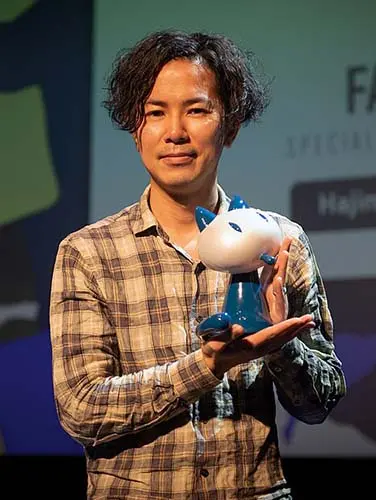
Hajime Isayama, born on August 29, 1986, in the rural mountain village of Oyama, Ōita Prefecture, Japan, is the singular visionary behind Attack on Titan, a series that transcended its manga and anime origins to become a global, philosophical phenomenon. His journey from an isolated countryside dreamer to one of the most consequential storytellers of his generation is a testament to relentless perseverance. Growing up in a depopulating town, Isayama developed an early sense of being “walled in,” a feeling that would later form the core metaphor of his magnum opus. As a teenager, he immersed himself in the horror and political intrigue of Ryōko Yamagishi’s The Rose of Versailles and the nihilistic, survivalist gameplay of the Resident Evil and Muv-Luv visual novel series, forging a narrative sensibility obsessed with confined spaces, systemic oppression, and impossible choices.
Isayama’s path to publication was marked by repeated rejection. After graduating from design college and working in an internet cafe, he submitted his dystopian concept—initially inspired by a frightening encounter with a drunk patron—to Weekly Shōnen Magazine in 2006. It was roundly dismissed. Undeterred, he retooled the submission for Bessatsu Shōnen Magazine, where editor Kōdansha’s Shintaro Kawakubo saw profound potential in its grim, unconventional voice. In 2009, Attack on Titan began serialization, introducing a world where the last remnants of humanity huddle behind three concentric walls, terrorized by gigantic, mindless humanoid Titans. The series was an instant, visceral shock. Isayama’s early art, often criticized for its rough, unsettling proportions, paradoxically amplified the raw horror and grotesquery of his world, making the Titans feel truly alien and terrifying.
Attack on Titan’s narrative evolved from a simple survival horror into an immensely complex geopolitical and philosophical epic. Isayama masterfully expanded the scope, revealing that the walls were not a sanctuary but a prison, and that the conflict was not between man and monster, but between factions of humans locked in a cyclical, centuries-old blood feud rooted in racism, historical trauma, and propaganda. The protagonist, Eren Yeager, transformed from a symbol of fiery rebellion into a chilling, genocidal instrument of liberation, forcing readers to confront uncomfortable questions about freedom, vengeance, and the moral cost of survival. This fearless narrative escalation, where no character was safe and core ideals were constantly deconstructed, set the series apart.
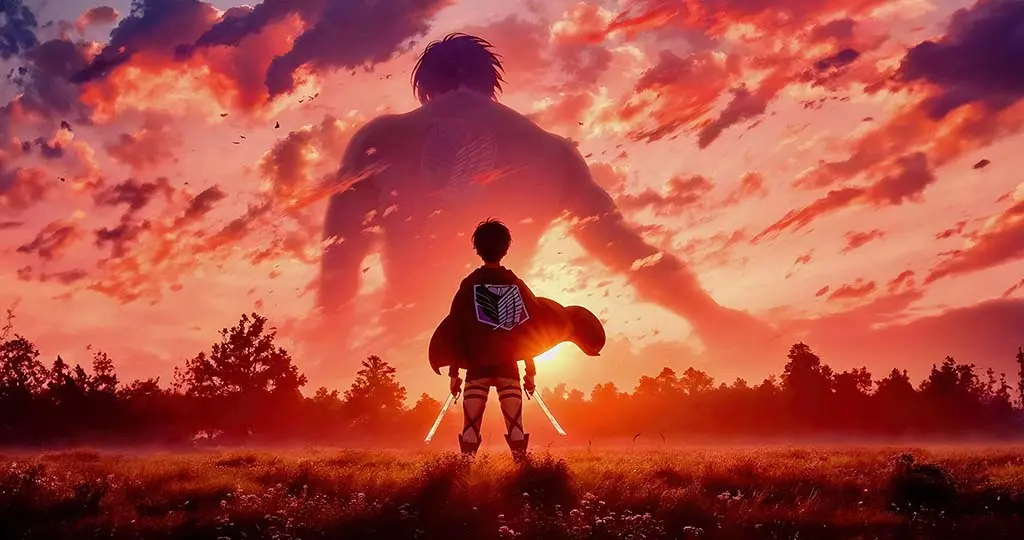
Hajime Isayama’s influence on other mangaka and the broader creative landscape is profound and multifaceted. He is credited with popularizing a new level of narrative ambition and moral ambiguity in mainstream shōnen and seinen manga. His work demonstrated that a serialized comic could successfully tackle dense themes of historical revisionism, ethnonationalism, and the corrupting nature of power on an epic scale. This paved the way for a generation of creators to weave more politically charged and philosophically complex tales. The success of Gege Akutami’s Jujutsu Kaisen, with its high-stakes mortality and systemic corruption, and Koyoharu Gotouge’s Demon Slayer, with its emphasis on cyclical tragedy and empathy for monsters, operates in a landscape Isayama helped redefine.
Specifically, Isayama’s mastery of the long-form mystery and the devastating “reveal” became a new benchmark. His technique of planting cryptic clues hundreds of chapters before their earth-shattering payoffs (the true nature of the walls, the history of the Titans, the origin of the conflict) inspired creators to architect their stories with similar forensic detail. Furthermore, his iconic visual set pieces—the use of omni-directional mobility gear for breathtaking, three-dimensional battle choreography and the sheer, awe-inspiring scale of the Titans—raised the bar for cinematic action in manga, influencing everything from panel composition to the sense of colossal stakes in series like Jujutsu Kaisen and Chainsaw Man.
The series’ controversial and meticulously foreshadowed ending, which divided fans but remained fiercely true to its own internal logic, cemented Isayama’s reputation as an auteur willing to follow a grim vision to its conclusion, regardless of expectation. This integrity has influenced a shift towards more definitive, author-driven endings in major series. Beyond manga, Attack on Titan’s cultural footprint is immense, sparking academic analysis, global discourse on its political allegories, and influencing Western fantasy and television writing with its relentless pacing and willingness to annihilate status quos.
Hajime Isayama’s biography is that of an outsider who, by honing his unique anxieties into a universal allegory, reshaped the contours of modern storytelling. He moved the monster from the outside of the wall to the inside of the human heart, challenging readers not just to fear annihilation, but to contemplate the monstrous acts justified in its name. His legacy is not merely a story about giants, but a monumental proof that the most terrifying and compelling narratives force us to question who, in the endless cycle of conflict, the real Titans are.
Hajime Isayama – Bibliography
Serialized Manga
Attack on Titan (進撃の巨人 / Shingeki no Kyojin)
- Serialized: 2009–2021, Bessatsu Shōnen Magazine (Kodansha)
- Volumes: 34 tankōbon volumes
- Isayama’s landmark dark fantasy series, depicting humanity’s struggle against the Titans and evolving into a complex political and philosophical epic.
One-Shots and Short Manga
Heart Break One (ハート ブレイク ワン) (2006): Early one-shot created while Isayama was a student; demonstrates his early interest in bleak themes and stark character conflict.
Orz (2008): A short manga published prior to Attack on Titan, notable for its rough art style and experimental tone.
Attack on Titan Volume 0 (進撃の巨人 0巻) (2009): A prototype version of Attack on Titan, included with special editions and exhibitions, showing early character concepts and story ideas.
Spin-Offs and Related Works (Story Credit / Supervision)
(Written or supervised by Isayama; illustrated by other artists)
Attack on Titan: Before the Fall (2013-2019)
- Manga adaptation: Ryo Suzukaze (story), Satoshi Shiki (art)
- A prequel set decades before the main series, exploring early Titan-fighting technology.
Attack on Titan: No Regrets (悔いなき選択) (2013–2014)
- Story: Hajime Isayama & Gun Snark; Art: Hikaru Suruga
- Focuses on Levi Ackerman’s past and rise within the Survey Corps.
Attack on Titan: Lost Girls (2015–2016)
- Story supervision: Hajime Isayama; Art: Ryōsuke Fuji
- Side stories centered on Annie Leonhart and Mikasa Ackerman.
Artbooks and Guides (Contributor)
Attack on Titan INSIDE / OUTSIDE (2013-2014): Guidebooks featuring interviews, world-building notes, and commentary by Isayama.
Attack on Titan Answers (進撃の巨人 ANSWERS) (2016): Includes creator interviews and clarifications about themes and lore.