Bleach: The Soul Reaper’s Stylized Supernatural Epic
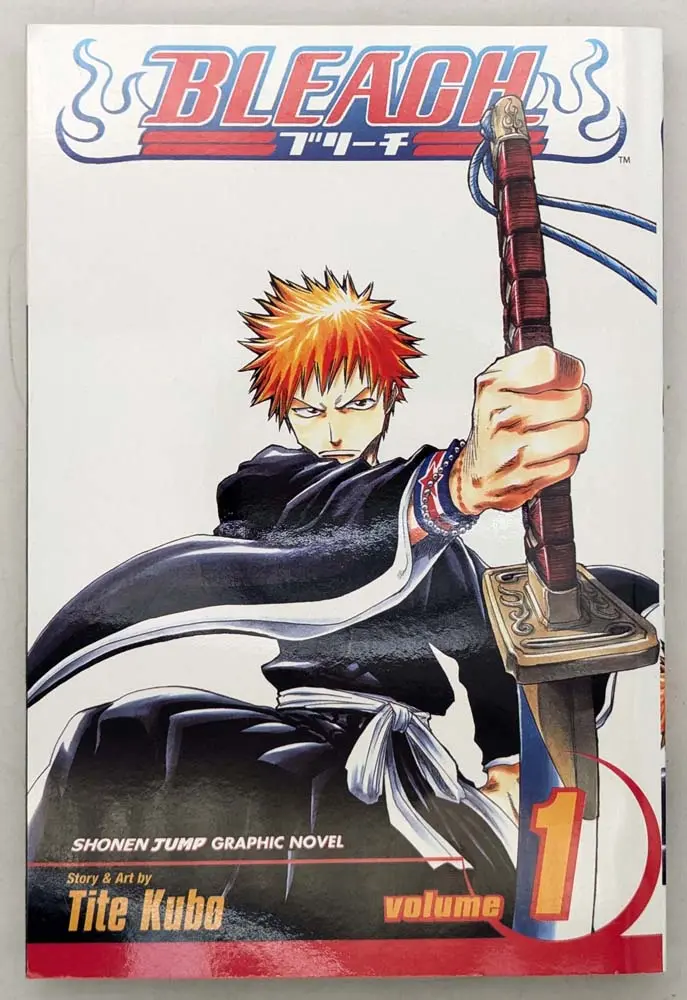
Bleach is a cornerstone shōnen manga by Tite Kubo, serialized from 2001 to 2016. The story follows Ichigo Kurosaki, a hot-headed teenager with the ability to see ghosts, whose life is irrevocably changed when he accidentally obtains the powers of a Soul Reaper (Shinigami) from Rukia Kuchiki. Armed with a massive, iconic sword named Zangetsu, Ichigo assumes her duties of protecting his hometown from monstrous lost spirits called Hollows and guiding benevolent souls to the afterlife. The narrative rapidly expands from this urban fantasy premise into a sprawling cosmic war, introducing the Soul Society—a vast, feudal-bureaucratic afterlife where Ichigo must confront corrupt Soul Reapers, ancient legacies, and ultimately, universe-threatening factions like the Quincy.
Kubo’s genius lies in his unparalleled stylistic sense. Bleach is defined by its stark, high-contrast artwork, fashion-forward character designs (often inspired by punk and goth aesthetics), and some of the most creatively named and visualized superpowers in manga, centered on Soul Reapers’ “Zanpakutō” swords. Its battles are as much about dramatic poses, psychological revelation, and iconic title panels as they are about physical combat.
As one of the legendary “Big Three” of 2000s shōnen jump (alongside One Piece and Naruto), Bleach’s influence is immense. It perfected the “urban fantasy escalates into cosmic war” model and set a new standard for stylistic coolness and weapon-based power systems. Its direct influence is seen in later series with a strong aesthetic focus and transformation-based abilities, such as Jujutsu Kaisen (cursed techniques and domain expansions) and Black Clover. The concept of a protagonist who is a hybrid of multiple supernatural lineages became a widespread trope.
Bleach was itself heavily influenced by earlier series, drawing on Yu Yu Hakusho’s spirit detective framework and Saint Seiya’s armored warriors and cosmic scale. Kubo’s emphasis on visual style over intricate plot also carved a unique path, proving that a manga could achieve titanic success driven primarily by iconic character moments, sharp design, and atmospheric spectacle, leaving a permanent mark on the visual language of battle shōnen.