A Global Tapestry of Tales: Kay Nielsen’s Red Magic
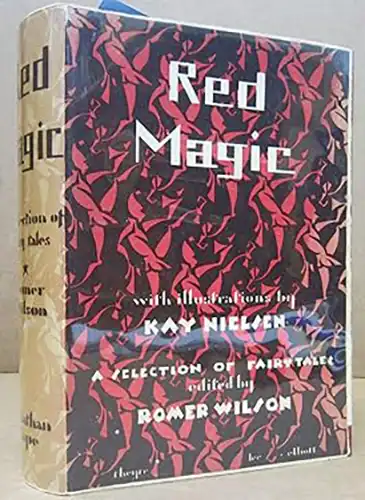
Kay Nielsen’s Red Magic stands as a singular achievement in the artist’s celebrated but tragically brief career, representing the final major work of illustration from one of the Golden Age’s most distinctive talents. Published in 1930 by Jonathan Cape in London, this volume appeared at a moment of transition—both for Nielsen personally and for the tradition of lavish illustrated gift books that had flourished in the preceding decades . It would prove to be the last comprehensive illustrated work produced by the Danish artist before his departure for California and eventual employment with the Walt Disney Studios.
A Global Anthology
The book presents a rich collection of fairy tales drawn from cultures around the world, edited and arranged by the British author Romer Wilson—the pseudonym of Florence Wilson, a recipient of the prestigious Hawthornden Prize . Wilson’s anthology reflects an ambitious editorial vision, gathering well-known European classics such as “Bluebeard,” “Aladdin and the Magic Lamp,” “The Six Swans,” and “The Three Bears” alongside lesser-known tales from diverse traditions . The collection also includes Charles Dickens’s “A Child’s Dream of a Star,” demonstrating Wilson’s intention to “display cultural treasures” and challenge young readers with narratives of ethical complexity and mystery . In this regard, Red Magic distinguished itself as one of the first anthologies to present major and minor fairy tales from across the globe with the explicit aim of demonstrating the “dazzling” power of these narratives.
Nielsen’s Final Flourish
Nielsen’s contribution to the volume comprises eight color plates and a remarkable fifty full-page black-and-white illustrations, supplemented by numerous smaller line drawings and decorative initials dispersed throughout the 368 pages. This substantial body of work represents the artist’s mature style in its full range, showcasing the qualities that had earned him recognition as one of the premier illustrators of his generation. His illustrations are executed in the distinctive Art Nouveau manner that had defined his career since his celebrated 1913 debut with In Powder and Crinoline .
The color plates reveal Nielsen’s characteristic palette—a “watery blue” palette with delicate floral borders inspired by Persian and Indian miniatures, a stylistic influence that set his work apart from contemporaries such as Arthur Rackham and Edmund Dulac. His approach to illustration was notably suited to the multicultural nature of Wilson’s anthology, bringing a global sensibility to tales drawn from disparate traditions. Yet the artist’s earlier tendency toward the melancholic and macabre—evident in his 1912 series The Book of Death—also finds expression here, with illustrations that explore themes of loss and mystery with characteristic dramatic intensity .
Production and Legacy
Red Magic was produced in a notably more modest format than the lavish gift books that had established Nielsen’s reputation. The volume measures 20 by 14.5 centimeters—a smaller octavo format that, according to contemporary critics, did not always do justice to the strength and range of Nielsen’s original illustrations. Nevertheless, the first edition reflects careful production values: bound in vivid red cloth with gilt lettering to the spine, top edge stained red, and issued in a patterned dust jacket that is now exceptionally rare.
Today, Red Magic is recognized as the scarcest of Nielsen’s major illustrated works, highly sought after by collectors for its place as the culmination of his career as a book artist . Its illustrations are now held in major collections, including the Kendra and Allan Daniel Collection at the Museum of Fine Arts, Boston . For admirers of Nielsen’s art, the volume represents a final flowering—a global tapestry of tales brought to life by an artist whose vision bridged the worlds of European illustration, Eastern ornament, and the cinematic imagination that would later find expression in Disney’s Fantasia and The Little Mermaid .
Recommended for collectors and readers:
- East of the Sun and West of the Moon (1914), illustrated by Kay Nielsen – A Scandinavian fairy tale masterpiece with some of Nielsen’s most iconic work.
- The Yellow Fairy Book (1894), edited by Andrew Lang, illustrated by H.J. Ford – A foundational fairy tale collection with a wide cultural range.
- The Fairy Tales of Hans Christian Andersen (1924), illustrated by Kay Nielsen – A classic pairing of poignant stories with luminous illustration.
Kay Nielsen – Red Magic illustrations
![Kay Nielsen -Red Magic [nielsen-redmagic01] (art, illustrations)](https://www.nocloo.com/wp-content/plugins/justified-image-grid/timthumb.php?src=https%3A%2F%2Fwww.nocloo.com%2Fart%2Fnielsen-magic%2Fnielsen-redmagic01.jpg&h=280&q=90&f=.jpg "Kay Nielsen - Illustrations for Red Magic 1930")
![Kay Nielsen -Red Magic [nielsen-redmagic02] (art, illustrations)](https://www.nocloo.com/wp-content/plugins/justified-image-grid/timthumb.php?src=https%3A%2F%2Fwww.nocloo.com%2Fart%2Fnielsen-magic%2Fnielsen-redmagic02.jpg&h=280&q=90&f=.jpg "Kay Nielsen - Illustrations for Red Magic 1930")
![Kay Nielsen -Red Magic [nielsen-redmagic03] (art, illustrations)](https://www.nocloo.com/wp-content/plugins/justified-image-grid/timthumb.php?src=https%3A%2F%2Fwww.nocloo.com%2Fart%2Fnielsen-magic%2Fnielsen-redmagic03.jpg&h=280&q=90&f=.jpg "Kay Nielsen - Illustrations for Red Magic 1930")
![Kay Nielsen -Red Magic [nielsen-redmagic04] (art, illustrations)](https://www.nocloo.com/wp-content/plugins/justified-image-grid/timthumb.php?src=https%3A%2F%2Fwww.nocloo.com%2Fart%2Fnielsen-magic%2Fnielsen-redmagic04.jpg&h=280&q=90&f=.jpg "Kay Nielsen - Illustrations for Red Magic 1930")
![Kay Nielsen -Red Magic [nielsen-redmagic05] (art, illustrations)](https://www.nocloo.com/wp-content/plugins/justified-image-grid/timthumb.php?src=https%3A%2F%2Fwww.nocloo.com%2Fart%2Fnielsen-magic%2Fnielsen-redmagic05.jpg&h=280&q=90&f=.jpg "Kay Nielsen - Illustrations for Red Magic 1930")
![Kay Nielsen -Red Magic [nielsen-redmagic06] (art, illustrations)](https://www.nocloo.com/wp-content/plugins/justified-image-grid/timthumb.php?src=https%3A%2F%2Fwww.nocloo.com%2Fart%2Fnielsen-magic%2Fnielsen-redmagic06.jpg&h=280&q=90&f=.jpg "Kay Nielsen - Illustrations for Red Magic 1930")
![Kay Nielsen -Red Magic [nielsen-redmagic07] (art, illustrations)](https://www.nocloo.com/wp-content/plugins/justified-image-grid/timthumb.php?src=https%3A%2F%2Fwww.nocloo.com%2Fart%2Fnielsen-magic%2Fnielsen-redmagic07.jpg&h=280&q=90&f=.jpg "Kay Nielsen - Illustrations for Red Magic 1930")
![Kay Nielsen -Red Magic [nielsen-redmagic08] (art, illustrations)](https://www.nocloo.com/wp-content/plugins/justified-image-grid/timthumb.php?src=https%3A%2F%2Fwww.nocloo.com%2Fart%2Fnielsen-magic%2Fnielsen-redmagic08.jpg&h=280&q=90&f=.jpg "Kay Nielsen - Illustrations for Red Magic 1930")
![Kay Nielsen -Red Magic [nielsen-redmagic09] (art, illustrations)](https://www.nocloo.com/wp-content/plugins/justified-image-grid/timthumb.php?src=https%3A%2F%2Fwww.nocloo.com%2Fart%2Fnielsen-magic%2Fnielsen-redmagic09.jpg&h=280&q=90&f=.jpg "Kay Nielsen - Illustrations for Red Magic 1930")
![Kay Nielsen -Red Magic [nielsen-redmagic10] (art, illustrations)](https://www.nocloo.com/wp-content/plugins/justified-image-grid/timthumb.php?src=https%3A%2F%2Fwww.nocloo.com%2Fart%2Fnielsen-magic%2Fnielsen-redmagic10.jpg&h=280&q=90&f=.jpg "Kay Nielsen - Illustrations for Red Magic 1930")
![Kay Nielsen -Red Magic [nielsen-redmagic11] (art, illustrations)](https://www.nocloo.com/wp-content/plugins/justified-image-grid/timthumb.php?src=https%3A%2F%2Fwww.nocloo.com%2Fart%2Fnielsen-magic%2Fnielsen-redmagic11.jpg&h=280&q=90&f=.jpg "Kay Nielsen - Illustrations for Red Magic 1930")
![Kay Nielsen -Red Magic [nielsen-redmagic12] (art, illustrations)](https://www.nocloo.com/wp-content/plugins/justified-image-grid/timthumb.php?src=https%3A%2F%2Fwww.nocloo.com%2Fart%2Fnielsen-magic%2Fnielsen-redmagic12.jpg&h=280&q=90&f=.jpg "Kay Nielsen - Illustrations for Red Magic 1930")
![Kay Nielsen -Red Magic [nielsen-redmagic13] (art, illustrations)](https://www.nocloo.com/wp-content/plugins/justified-image-grid/timthumb.php?src=https%3A%2F%2Fwww.nocloo.com%2Fart%2Fnielsen-magic%2Fnielsen-redmagic13.jpg&h=280&q=90&f=.jpg "Kay Nielsen - Illustrations for Red Magic 1930")
![Kay Nielsen -Red Magic [nielsen-redmagic14] (art, illustrations)](https://www.nocloo.com/wp-content/plugins/justified-image-grid/timthumb.php?src=https%3A%2F%2Fwww.nocloo.com%2Fart%2Fnielsen-magic%2Fnielsen-redmagic14.jpg&h=280&q=90&f=.jpg "Kay Nielsen - Illustrations for Red Magic 1930")
![Kay Nielsen -Red Magic [nielsen-redmagic15] (art, illustrations)](https://www.nocloo.com/wp-content/plugins/justified-image-grid/timthumb.php?src=https%3A%2F%2Fwww.nocloo.com%2Fart%2Fnielsen-magic%2Fnielsen-redmagic15.jpg&h=280&q=90&f=.jpg "Kay Nielsen - Illustrations for Red Magic 1930")
![Kay Nielsen -Red Magic [nielsen-redmagic16] (art, illustrations)](https://www.nocloo.com/wp-content/plugins/justified-image-grid/timthumb.php?src=https%3A%2F%2Fwww.nocloo.com%2Fart%2Fnielsen-magic%2Fnielsen-redmagic16.jpg&h=280&q=90&f=.jpg "Kay Nielsen - Illustrations for Red Magic 1930")
![Kay Nielsen -Red Magic [nielsen-redmagic17] (art, illustrations)](https://www.nocloo.com/wp-content/plugins/justified-image-grid/timthumb.php?src=https%3A%2F%2Fwww.nocloo.com%2Fart%2Fnielsen-magic%2Fnielsen-redmagic17.jpg&h=280&q=90&f=.jpg "Kay Nielsen - Illustrations for Red Magic 1930")
![Kay Nielsen -Red Magic [nielsen-redmagic18] (art, illustrations)](https://www.nocloo.com/wp-content/plugins/justified-image-grid/timthumb.php?src=https%3A%2F%2Fwww.nocloo.com%2Fart%2Fnielsen-magic%2Fnielsen-redmagic18.jpg&h=280&q=90&f=.jpg "Kay Nielsen - Illustrations for Red Magic 1930")
![Kay Nielsen -Red Magic [nielsen-redmagic19] (art, illustrations)](https://www.nocloo.com/wp-content/plugins/justified-image-grid/timthumb.php?src=https%3A%2F%2Fwww.nocloo.com%2Fart%2Fnielsen-magic%2Fnielsen-redmagic19.jpg&h=280&q=90&f=.jpg "Kay Nielsen - Illustrations for Red Magic 1930")
![Kay Nielsen -Red Magic [nielsen-redmagic20] (art, illustrations)](https://www.nocloo.com/wp-content/plugins/justified-image-grid/timthumb.php?src=https%3A%2F%2Fwww.nocloo.com%2Fart%2Fnielsen-magic%2Fnielsen-redmagic20.jpg&h=280&q=90&f=.jpg "Kay Nielsen - Illustrations for Red Magic 1930")
![Kay Nielsen -Red Magic [nielsen-redmagic21] (art, illustrations)](https://www.nocloo.com/wp-content/plugins/justified-image-grid/timthumb.php?src=https%3A%2F%2Fwww.nocloo.com%2Fart%2Fnielsen-magic%2Fnielsen-redmagic21.jpg&h=280&q=90&f=.jpg "Kay Nielsen - Illustrations for Red Magic 1930")
![Kay Nielsen -Red Magic [nielsen-redmagic22] (art, illustrations)](https://www.nocloo.com/wp-content/plugins/justified-image-grid/timthumb.php?src=https%3A%2F%2Fwww.nocloo.com%2Fart%2Fnielsen-magic%2Fnielsen-redmagic22.jpg&h=280&q=90&f=.jpg "Kay Nielsen - Illustrations for Red Magic 1930")
![Kay Nielsen -Red Magic [nielsen-redmagic23] (art, illustrations)](https://www.nocloo.com/wp-content/plugins/justified-image-grid/timthumb.php?src=https%3A%2F%2Fwww.nocloo.com%2Fart%2Fnielsen-magic%2Fnielsen-redmagic23.jpg&h=280&q=90&f=.jpg "Kay Nielsen - Illustrations for Red Magic 1930")
![Kay Nielsen -Red Magic [nielsen-redmagic24] (art, illustrations)](https://www.nocloo.com/wp-content/plugins/justified-image-grid/timthumb.php?src=https%3A%2F%2Fwww.nocloo.com%2Fart%2Fnielsen-magic%2Fnielsen-redmagic24.jpg&h=280&q=90&f=.jpg "Kay Nielsen - Illustrations for Red Magic 1930")
![Kay Nielsen -Red Magic [nielsen-redmagic25] (art, illustrations)](https://www.nocloo.com/wp-content/plugins/justified-image-grid/timthumb.php?src=https%3A%2F%2Fwww.nocloo.com%2Fart%2Fnielsen-magic%2Fnielsen-redmagic25.jpg&h=280&q=90&f=.jpg "Kay Nielsen - Illustrations for Red Magic 1930")
![Kay Nielsen -Red Magic [nielsen-redmagic26] (art, illustrations)](https://www.nocloo.com/wp-content/plugins/justified-image-grid/timthumb.php?src=https%3A%2F%2Fwww.nocloo.com%2Fart%2Fnielsen-magic%2Fnielsen-redmagic26.jpg&h=280&q=90&f=.jpg "Kay Nielsen - Illustrations for Red Magic 1930")
![Kay Nielsen -Red Magic [nielsen-redmagic27] (art, illustrations)](https://www.nocloo.com/wp-content/plugins/justified-image-grid/timthumb.php?src=https%3A%2F%2Fwww.nocloo.com%2Fart%2Fnielsen-magic%2Fnielsen-redmagic27.jpg&h=280&q=90&f=.jpg "Kay Nielsen - Illustrations for Red Magic 1930")
![Kay Nielsen -Red Magic [nielsen-redmagic28] (art, illustrations)](https://www.nocloo.com/wp-content/plugins/justified-image-grid/timthumb.php?src=https%3A%2F%2Fwww.nocloo.com%2Fart%2Fnielsen-magic%2Fnielsen-redmagic28.jpg&h=280&q=90&f=.jpg "Kay Nielsen - Illustrations for Red Magic 1930")
![Kay Nielsen -Red Magic [nielsen-redmagic29] (art, illustrations)](https://www.nocloo.com/wp-content/plugins/justified-image-grid/timthumb.php?src=https%3A%2F%2Fwww.nocloo.com%2Fart%2Fnielsen-magic%2Fnielsen-redmagic29.jpg&h=280&q=90&f=.jpg "Kay Nielsen - Illustrations for Red Magic 1930")
![Kay Nielsen -Red Magic [nielsen-redmagic30] (art, illustrations)](https://www.nocloo.com/wp-content/plugins/justified-image-grid/timthumb.php?src=https%3A%2F%2Fwww.nocloo.com%2Fart%2Fnielsen-magic%2Fnielsen-redmagic30.jpg&h=280&q=90&f=.jpg "Kay Nielsen - Illustrations for Red Magic 1930")
![Kay Nielsen -Red Magic [nielsen-redmagic31] (art, illustrations)](https://www.nocloo.com/wp-content/plugins/justified-image-grid/timthumb.php?src=https%3A%2F%2Fwww.nocloo.com%2Fart%2Fnielsen-magic%2Fnielsen-redmagic31.jpg&h=280&q=90&f=.jpg "Kay Nielsen - Illustrations for Red Magic 1930")
![Kay Nielsen -Red Magic [nielsen-redmagic32] (art, illustrations)](https://www.nocloo.com/wp-content/plugins/justified-image-grid/timthumb.php?src=https%3A%2F%2Fwww.nocloo.com%2Fart%2Fnielsen-magic%2Fnielsen-redmagic32.jpg&h=280&q=90&f=.jpg "Kay Nielsen - Illustrations for Red Magic 1930")
![Kay Nielsen -Red Magic [nielsen-redmagic33] (art, illustrations)](https://www.nocloo.com/wp-content/plugins/justified-image-grid/timthumb.php?src=https%3A%2F%2Fwww.nocloo.com%2Fart%2Fnielsen-magic%2Fnielsen-redmagic33.jpg&h=280&q=90&f=.jpg "Kay Nielsen - Illustrations for Red Magic 1930")
![Kay Nielsen -Red Magic [nielsen-redmagic34] (art, illustrations)](https://www.nocloo.com/wp-content/plugins/justified-image-grid/timthumb.php?src=https%3A%2F%2Fwww.nocloo.com%2Fart%2Fnielsen-magic%2Fnielsen-redmagic34.jpg&h=280&q=90&f=.jpg "Kay Nielsen - Illustrations for Red Magic 1930")
![Kay Nielsen -Red Magic [nielsen-redmagic35] (art, illustrations)](https://www.nocloo.com/wp-content/plugins/justified-image-grid/timthumb.php?src=https%3A%2F%2Fwww.nocloo.com%2Fart%2Fnielsen-magic%2Fnielsen-redmagic35.jpg&h=280&q=90&f=.jpg "Kay Nielsen - Illustrations for Red Magic 1930")
![Kay Nielsen -Red Magic [nielsen-redmagic36] (art, illustrations)](https://www.nocloo.com/wp-content/plugins/justified-image-grid/timthumb.php?src=https%3A%2F%2Fwww.nocloo.com%2Fart%2Fnielsen-magic%2Fnielsen-redmagic36.jpg&h=280&q=90&f=.jpg "Kay Nielsen - Illustrations for Red Magic 1930")
![Kay Nielsen -Red Magic [nielsen-redmagic37] (art, illustrations)](https://www.nocloo.com/wp-content/plugins/justified-image-grid/timthumb.php?src=https%3A%2F%2Fwww.nocloo.com%2Fart%2Fnielsen-magic%2Fnielsen-redmagic37.jpg&h=280&q=90&f=.jpg "Kay Nielsen - Illustrations for Red Magic 1930")
![Kay Nielsen -Red Magic [nielsen-redmagic38] (art, illustrations)](https://www.nocloo.com/wp-content/plugins/justified-image-grid/timthumb.php?src=https%3A%2F%2Fwww.nocloo.com%2Fart%2Fnielsen-magic%2Fnielsen-redmagic38.jpg&h=280&q=90&f=.jpg "Kay Nielsen - Illustrations for Red Magic 1930")
![Kay Nielsen -Red Magic [nielsen-redmagic39] (art, illustrations)](https://www.nocloo.com/wp-content/plugins/justified-image-grid/timthumb.php?src=https%3A%2F%2Fwww.nocloo.com%2Fart%2Fnielsen-magic%2Fnielsen-redmagic39.jpg&h=280&q=90&f=.jpg "Kay Nielsen - Illustrations for Red Magic 1930")
![Kay Nielsen -Red Magic [nielsen-redmagic40] (art, illustrations)](https://www.nocloo.com/wp-content/plugins/justified-image-grid/timthumb.php?src=https%3A%2F%2Fwww.nocloo.com%2Fart%2Fnielsen-magic%2Fnielsen-redmagic40.jpg&h=280&q=90&f=.jpg "Kay Nielsen - Illustrations for Red Magic 1930")
![Kay Nielsen -Red Magic [nielsen-redmagic41] (art, illustrations)](https://www.nocloo.com/wp-content/plugins/justified-image-grid/timthumb.php?src=https%3A%2F%2Fwww.nocloo.com%2Fart%2Fnielsen-magic%2Fnielsen-redmagic41.jpg&h=280&q=90&f=.jpg "Kay Nielsen - Illustrations for Red Magic 1930")
![Kay Nielsen -Red Magic [nielsen-redmagic42] (art, illustrations)](https://www.nocloo.com/wp-content/plugins/justified-image-grid/timthumb.php?src=https%3A%2F%2Fwww.nocloo.com%2Fart%2Fnielsen-magic%2Fnielsen-redmagic42.jpg&h=280&q=90&f=.jpg "Kay Nielsen - Illustrations for Red Magic 1930")
![Kay Nielsen -Red Magic [nielsen-redmagic43] (art, illustrations)](https://www.nocloo.com/wp-content/plugins/justified-image-grid/timthumb.php?src=https%3A%2F%2Fwww.nocloo.com%2Fart%2Fnielsen-magic%2Fnielsen-redmagic43.jpg&h=280&q=90&f=.jpg "Kay Nielsen - Illustrations for Red Magic 1930")
![Kay Nielsen -Red Magic [nielsen-redmagic44] (art, illustrations)](https://www.nocloo.com/wp-content/plugins/justified-image-grid/timthumb.php?src=https%3A%2F%2Fwww.nocloo.com%2Fart%2Fnielsen-magic%2Fnielsen-redmagic44.jpg&h=280&q=90&f=.jpg "Kay Nielsen - Illustrations for Red Magic 1930")
![Kay Nielsen -Red Magic [nielsen-redmagic45] (art, illustrations)](https://www.nocloo.com/wp-content/plugins/justified-image-grid/timthumb.php?src=https%3A%2F%2Fwww.nocloo.com%2Fart%2Fnielsen-magic%2Fnielsen-redmagic45.jpg&h=280&q=90&f=.jpg "Kay Nielsen - Illustrations for Red Magic 1930")
![Kay Nielsen -Red Magic [nielsen-redmagic46] (art, illustrations)](https://www.nocloo.com/wp-content/plugins/justified-image-grid/timthumb.php?src=https%3A%2F%2Fwww.nocloo.com%2Fart%2Fnielsen-magic%2Fnielsen-redmagic46.jpg&h=280&q=90&f=.jpg "Kay Nielsen - Illustrations for Red Magic 1930")
![Kay Nielsen -Red Magic [nielsen-redmagic47] (art, illustrations)](https://www.nocloo.com/wp-content/plugins/justified-image-grid/timthumb.php?src=https%3A%2F%2Fwww.nocloo.com%2Fart%2Fnielsen-magic%2Fnielsen-redmagic47.jpg&h=280&q=90&f=.jpg "Kay Nielsen - Illustrations for Red Magic 1930")
![Kay Nielsen -Red Magic [nielsen-redmagic48] (art, illustrations)](https://www.nocloo.com/wp-content/plugins/justified-image-grid/timthumb.php?src=https%3A%2F%2Fwww.nocloo.com%2Fart%2Fnielsen-magic%2Fnielsen-redmagic48.jpg&h=280&q=90&f=.jpg "Kay Nielsen - Illustrations for Red Magic 1930")
![Kay Nielsen -Red Magic [nielsen-redmagic49] (art, illustrations)](https://www.nocloo.com/wp-content/plugins/justified-image-grid/timthumb.php?src=https%3A%2F%2Fwww.nocloo.com%2Fart%2Fnielsen-magic%2Fnielsen-redmagic49.jpg&h=280&q=90&f=.jpg "Kay Nielsen - Illustrations for Red Magic 1930")
![Kay Nielsen -Red Magic [nielsen-redmagic50] (art, illustrations)](https://www.nocloo.com/wp-content/plugins/justified-image-grid/timthumb.php?src=https%3A%2F%2Fwww.nocloo.com%2Fart%2Fnielsen-magic%2Fnielsen-redmagic50.jpg&h=280&q=90&f=.jpg "Kay Nielsen - Illustrations for Red Magic 1930")
![Kay Nielsen -Red Magic [nielsen-redmagic51] (art, illustrations)](https://www.nocloo.com/wp-content/plugins/justified-image-grid/timthumb.php?src=https%3A%2F%2Fwww.nocloo.com%2Fart%2Fnielsen-magic%2Fnielsen-redmagic51.jpg&h=280&q=90&f=.jpg "Kay Nielsen - Illustrations for Red Magic 1930")
![Kay Nielsen -Red Magic [nielsen-redmagic52] (art, illustrations)](https://www.nocloo.com/wp-content/plugins/justified-image-grid/timthumb.php?src=https%3A%2F%2Fwww.nocloo.com%2Fart%2Fnielsen-magic%2Fnielsen-redmagic52.jpg&h=280&q=90&f=.jpg "Kay Nielsen - Illustrations for Red Magic 1930")
![Kay Nielsen -Red Magic [nielsen-redmagic53] (art, illustrations)](https://www.nocloo.com/wp-content/plugins/justified-image-grid/timthumb.php?src=https%3A%2F%2Fwww.nocloo.com%2Fart%2Fnielsen-magic%2Fnielsen-redmagic53.jpg&h=280&q=90&f=.jpg "Kay Nielsen - Illustrations for Red Magic 1930")
![Kay Nielsen -Red Magic [nielsen-redmagic54] (art, illustrations)](https://www.nocloo.com/wp-content/plugins/justified-image-grid/timthumb.php?src=https%3A%2F%2Fwww.nocloo.com%2Fart%2Fnielsen-magic%2Fnielsen-redmagic54.jpg&h=280&q=90&f=.jpg "Kay Nielsen - Illustrations for Red Magic 1930")
![Kay Nielsen -Red Magic [nielsen-redmagic55] (art, illustrations)](https://www.nocloo.com/wp-content/plugins/justified-image-grid/timthumb.php?src=https%3A%2F%2Fwww.nocloo.com%2Fart%2Fnielsen-magic%2Fnielsen-redmagic55.jpg&h=280&q=90&f=.jpg "Kay Nielsen - Illustrations for Red Magic 1930")
![Kay Nielsen -Red Magic [nielsen-redmagic56] (art, illustrations)](https://www.nocloo.com/wp-content/plugins/justified-image-grid/timthumb.php?src=https%3A%2F%2Fwww.nocloo.com%2Fart%2Fnielsen-magic%2Fnielsen-redmagic56.jpg&h=280&q=90&f=.jpg "Kay Nielsen - Illustrations for Red Magic 1930")
![Kay Nielsen -Red Magic [nielsen-redmagic57] (art, illustrations)](https://www.nocloo.com/wp-content/plugins/justified-image-grid/timthumb.php?src=https%3A%2F%2Fwww.nocloo.com%2Fart%2Fnielsen-magic%2Fnielsen-redmagic57.jpg&h=280&q=90&f=.jpg "Kay Nielsen - Illustrations for Red Magic 1930")
![Kay Nielsen -Red Magic [nielsen-redmagic58] (art, illustrations)](https://www.nocloo.com/wp-content/plugins/justified-image-grid/timthumb.php?src=https%3A%2F%2Fwww.nocloo.com%2Fart%2Fnielsen-magic%2Fnielsen-redmagic58.jpg&h=280&q=90&f=.jpg "Kay Nielsen - Illustrations for Red Magic 1930")