

In 1972, Cornmarket Reprints, in association with Magdalene College, Cambridge, published a remarkable facsimile edition of Geoffrey Chaucer’s The Canterbury Tales that offers readers an unprecedented glimpse into the earliest days of English printing . This substantial volume, spanning approximately 608 unnumbered pages and measuring 29 centimeters in height, reproduces for the first time the 1483 edition of Chaucer’s masterpiece printed by William Caxton, England’s first printer . The source for this facsimile is the copy once owned by the famed diarist Samuel Pepys, catalogued as number 2053 in the Pepys Library at Magdalene College .
What makes this edition particularly valuable to scholars and bibliophiles is its careful attention to completeness. The Pepys copy contained three missing leaves, which have been expertly supplied in this reprint from a copy held at St. John’s College, Oxford . Additionally, the misbinding of one signature has been corrected, presenting Caxton’s text as he intended it to appear . The volume contains a prohemye, or introduction, by Caxton himself, along with an introductory note by scholar J.A.W. Bennett .
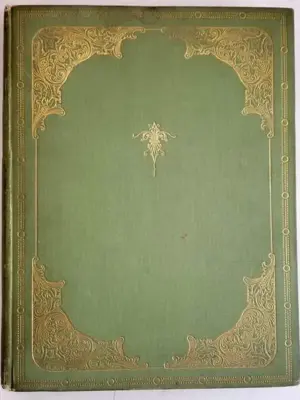
The book presents Chaucer’s text in its original Middle English, with only the preliminary material and colophon rendered in modern English . Issued in a sturdy hardcover binding featuring gilt-blocked cloth, this facsimile preserves the visual character of Caxton’s incunabulum while making it accessible to modern readers . For those interested in the intersection of Chaucer’s literary genius with the technological revolution of printing, this Cornmarket edition serves as an essential bridge across nearly five centuries of literary history.