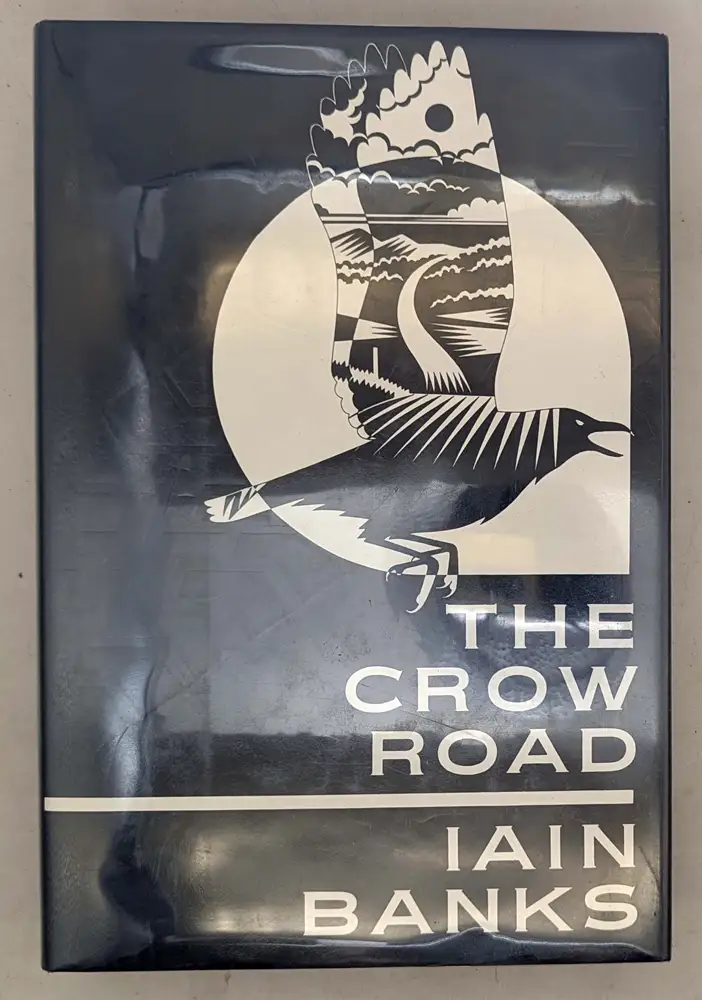
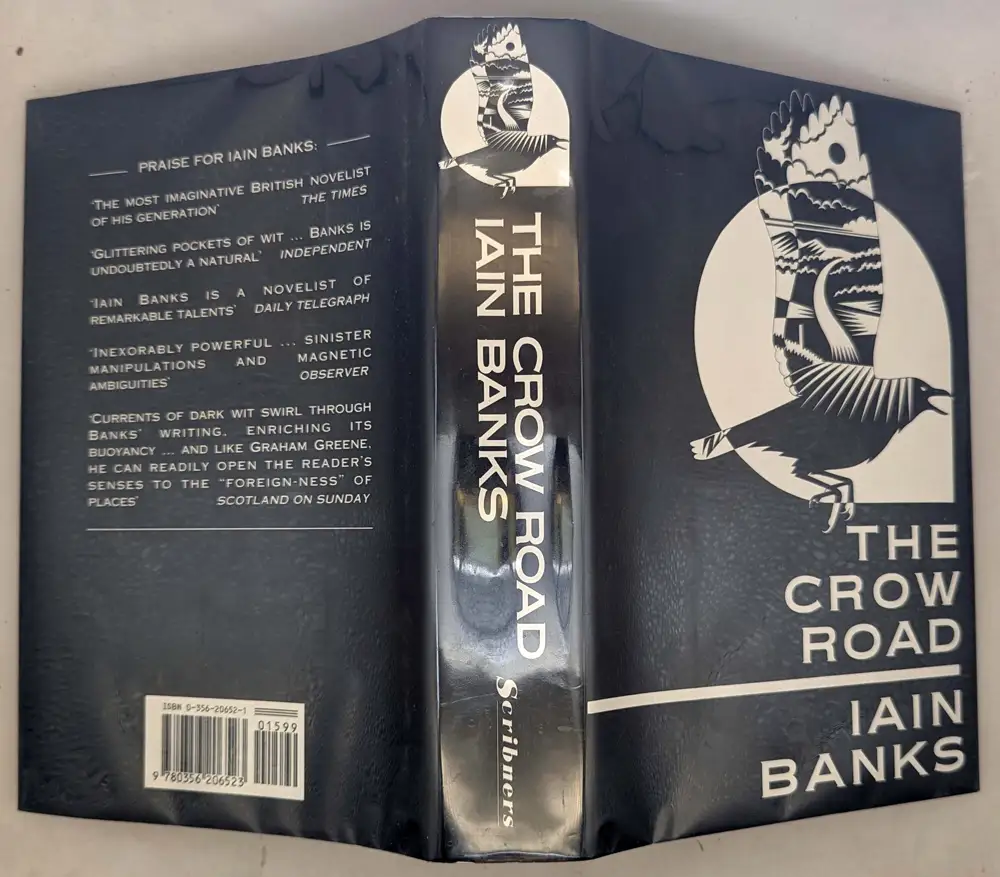
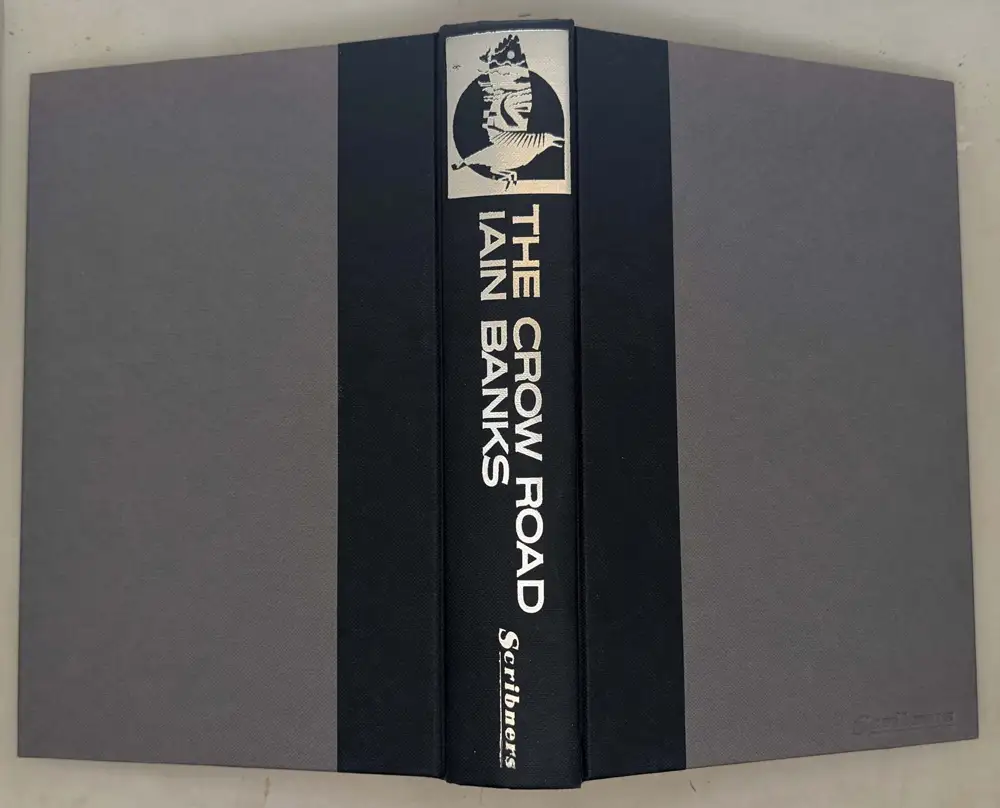
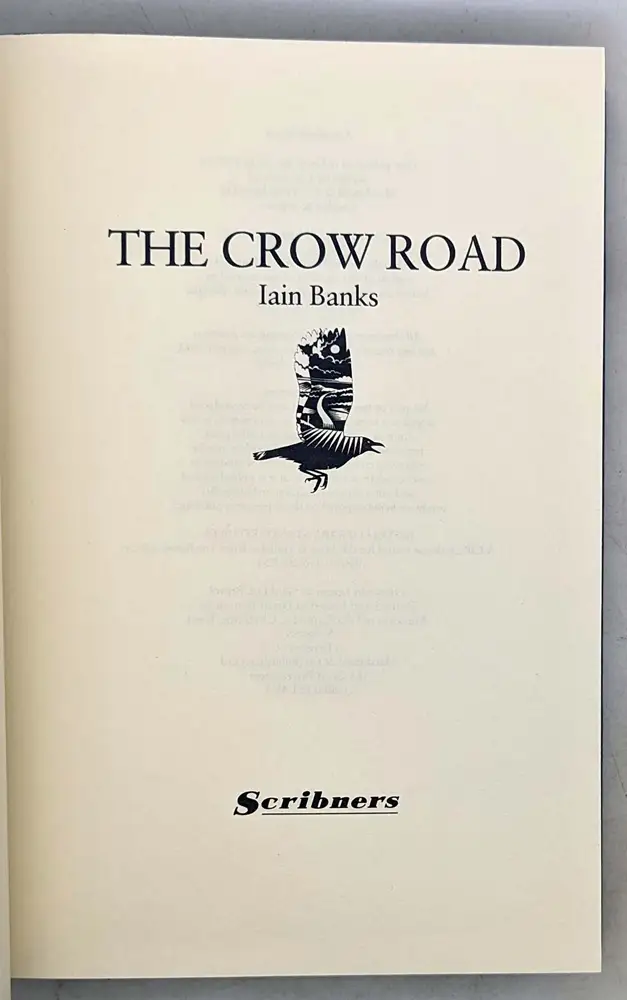
Iain Banks’s The Crow Road is a sprawling, witty, and profoundly moving novel that masterfully blends a family saga with a philosophical mystery. Narrated by Prentice McHoan, a young man grappling with the atheistic legacy of his eccentric Scottish family, the story unfolds across two intertwined timelines. In the present, Prentice is a student in Glasgow, navigating the complexities of love, loss, and his unrequited passion for his alluring cousin, Verity. Simultaneously, he delves into the past to uncover the truth behind two family enigmas: the mysterious disappearance of his charismatic Uncle Rory, who vanished seven years prior, and the sudden death of his stern, church-building father.
The narrative is a rich tapestry of 20th-century Scottish life, weaving together themes of faith, reason, storytelling, and the inescapable bonds of blood. Banks populates the McHoan clan with a cast of unforgettable characters, from the wise and philosophical Uncle Hamish to the fiery and unpredictable Uncle Calum. The novel’s structure is as intricate as its themes, with chapters that circle back on themselves, mirroring the winding Scottish roads—like the titular Crow Road—that lead to both hidden dangers and moments of profound clarity.
At its heart, The Crow Road is a celebration of narrative itself, famously opening with the line: “It was the day my grandmother exploded.” What follows is a compelling, darkly humorous, and ultimately life-affirming journey into one family’s secrets, exploring how we construct meaning from the stories we inherit and the truths we seek. It is a quintessential Banks novel: ambitious, deeply human, and unforgettable.