A Siberian Masterpiece: Gennady Pavlishin’s Folktales of the Amur
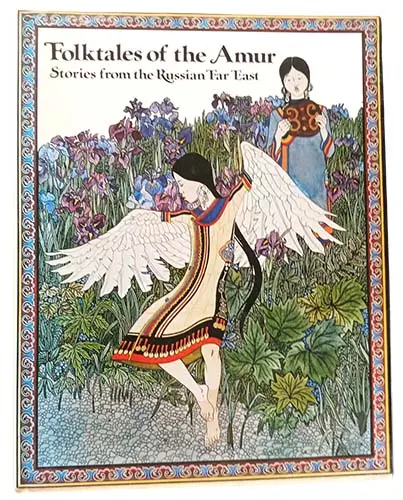
In the world of illustrated books, certain volumes transcend their status as mere children’s literature to become works of art in their own right. The 1980 edition of Folktales of the Amur: Stories from the Russian Far East, illustrated by the Siberian artist Gennady Pavlishin, is such a treasure. Published by Harry N. Abrams in New York, this remarkable volume brings together the oral traditions of the indigenous peoples of the Amur River region with illustrations of extraordinary beauty and cultural authenticity.
The tales themselves were collected and retold by Dmitri Nagishkin, a Russian writer who dedicated himself to preserving the folklore of the Nanai, Udege, and other indigenous groups of the Russian Far East . First published in Russia in 1975 as Amurskiye skazki (Fairy Tales of the Amur), the collection features thirty-one stories that had been passed down through generations along the banks of the great river that forms the border between Russia and China . Tales such as “The Brave Azmun,” “Ayoga,” “Seven Fears,” and “The Birch Boy” carry the wisdom, humor, and spiritual traditions of peoples who have lived in the Siberian taiga for millennia .
But it is the illustrations of Gennady Pavlishin (1935–2019) that elevate this volume to the realm of high art. Born in Siberia, Pavlishin was a graduate of the Irkutsk Art School and later trained at the Repin Institute in Leningrad. His artistic sensibility was deeply rooted in the landscapes and cultures of his homeland, and his work for this collection represents a lifetime of engagement with the visual traditions of the Amur peoples.
The 1980 American edition is a testament to the art of fine bookmaking. The large quarto volume, measuring approximately 9 by 11.5 inches, contains 103 full-color illustrations, each reproduced with exceptional fidelity . The binding features soft yellow cloth with a striking green symbol stamped on the front cover; the endpapers are printed in brilliant colors that set the tone for the treasures within.
What distinguishes Pavlishin’s illustrations is their synthesis of traditional indigenous motifs with the refined techniques of Russian book illustration. His palette is rich and varied—deep forest greens, the blues of the Amur River, the warm ochres of autumn, and the luminous whites of Siberian winter. His figures, drawn with a precision that recalls medieval manuscript illumination, capture the dignity and humor of the tales’ characters. Animals—bears, tigers, chipmunks, foxes—are rendered with a naturalist’s eye and a storyteller’s imagination.
Pavlishin’s decorative borders and compositional elements draw upon the traditional art of the Nanai and Udege peoples—the geometric patterns of birchbark containers, the stylized animal motifs of shamanic robes, the flowing lines of river and mountain. Yet his work never feels like mere appropriation; it is, rather, a deeply respectful engagement with visual traditions that he had studied throughout his career.
The book’s introduction was provided by the distinguished Soviet archaeologist A. P. Okladnikov, whose scholarly work had documented the ancient cultures of the Amur region . His presence in the volume underscores the seriousness with which the project was conceived—a recognition that these tales and their illustrations were not merely entertainment but cultural heritage of profound importance.
For American readers in 1980, Folktales of the Amur offered a rare glimpse into a world largely unknown. The Cold War made cultural exchange between the United States and the Soviet Union difficult, and books like this served as bridges, introducing one culture to the stories and art of another. The publisher, Harry N. Abrams, was known for producing books of exceptional quality, and this volume was no exception.
Today, first editions of Folktales of the Amur are prized by collectors. For those fortunate enough to own one, the book offers a journey into a world of Siberian magic—a place where bears and chipmunks quarrel, where brave girls outwit greedy hunters, where the spirit of the tiger moves through the forests, and where Gennady Pavlishin’s art gives permanent form to the voices of the Amur.
Recommended for collectors:
- The Firebird and Other Russian Fairy Tales (1980), illustrated by Boris Zvorykin – Elegant art nouveau-style retellings of iconic Russian tales.
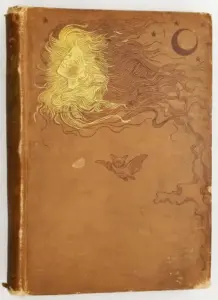
- Various Russian Fairy Tales (1901-1908), illustrated by Ivan Bilibin – Proably the greatest Russian children’s book illustrator. Very rare.
Art Gallery: Gennady Pavlishin – Folktales of the Amur 1980
![Gennady Pavlishin - Folktales of the Amur [pavlishin-amur01] (art, illustrations)](https://www.nocloo.com/wp-content/plugins/justified-image-grid/timthumb.php?src=https%3A%2F%2Fwww.nocloo.com%2Fart%2Fpavlishin-amur%2Fpavlishin-amur01.jpg&h=280&q=90&f=.jpg "Gennady Pavlishin - Illustrations for Folktales of the Amur 1980")
![Gennady Pavlishin - Folktales of the Amur [pavlishin-amur02] (art, illustrations)](https://www.nocloo.com/wp-content/plugins/justified-image-grid/timthumb.php?src=https%3A%2F%2Fwww.nocloo.com%2Fart%2Fpavlishin-amur%2Fpavlishin-amur02.jpg&h=280&q=90&f=.jpg "Gennady Pavlishin - Illustrations for Folktales of the Amur 1980")
![Gennady Pavlishin - Folktales of the Amur [pavlishin-amur03] (art, illustrations)](https://www.nocloo.com/wp-content/plugins/justified-image-grid/timthumb.php?src=https%3A%2F%2Fwww.nocloo.com%2Fart%2Fpavlishin-amur%2Fpavlishin-amur03.jpg&h=280&q=90&f=.jpg "Gennady Pavlishin - Illustrations for Folktales of the Amur 1980")
![Gennady Pavlishin - Folktales of the Amur [pavlishin-amur04] (art, illustrations)](https://www.nocloo.com/wp-content/plugins/justified-image-grid/timthumb.php?src=https%3A%2F%2Fwww.nocloo.com%2Fart%2Fpavlishin-amur%2Fpavlishin-amur04.jpg&h=280&q=90&f=.jpg "Gennady Pavlishin - Illustrations for Folktales of the Amur 1980")
![Gennady Pavlishin - Folktales of the Amur [pavlishin-amur05] (art, illustrations)](https://www.nocloo.com/wp-content/plugins/justified-image-grid/timthumb.php?src=https%3A%2F%2Fwww.nocloo.com%2Fart%2Fpavlishin-amur%2Fpavlishin-amur05.jpg&h=280&q=90&f=.jpg "Gennady Pavlishin - Illustrations for Folktales of the Amur 1980")
![Gennady Pavlishin - Folktales of the Amur [pavlishin-amur06] (art, illustrations)](https://www.nocloo.com/wp-content/plugins/justified-image-grid/timthumb.php?src=https%3A%2F%2Fwww.nocloo.com%2Fart%2Fpavlishin-amur%2Fpavlishin-amur06.jpg&h=280&q=90&f=.jpg "Gennady Pavlishin - Illustrations for Folktales of the Amur 1980")
![Gennady Pavlishin - Folktales of the Amur [pavlishin-amur07] (art, illustrations)](https://www.nocloo.com/wp-content/plugins/justified-image-grid/timthumb.php?src=https%3A%2F%2Fwww.nocloo.com%2Fart%2Fpavlishin-amur%2Fpavlishin-amur07.jpg&h=280&q=90&f=.jpg "Gennady Pavlishin - Illustrations for Folktales of the Amur 1980")
![Gennady Pavlishin - Folktales of the Amur [pavlishin-amur08] (art, illustrations)](https://www.nocloo.com/wp-content/plugins/justified-image-grid/timthumb.php?src=https%3A%2F%2Fwww.nocloo.com%2Fart%2Fpavlishin-amur%2Fpavlishin-amur08.jpg&h=280&q=90&f=.jpg "Gennady Pavlishin - Illustrations for Folktales of the Amur 1980")
![Gennady Pavlishin - Folktales of the Amur [pavlishin-amur09] (art, illustrations)](https://www.nocloo.com/wp-content/plugins/justified-image-grid/timthumb.php?src=https%3A%2F%2Fwww.nocloo.com%2Fart%2Fpavlishin-amur%2Fpavlishin-amur09.jpg&h=280&q=90&f=.jpg "Gennady Pavlishin - Illustrations for Folktales of the Amur 1980")
![Gennady Pavlishin - Folktales of the Amur [pavlishin-amur10] (art, illustrations)](https://www.nocloo.com/wp-content/plugins/justified-image-grid/timthumb.php?src=https%3A%2F%2Fwww.nocloo.com%2Fart%2Fpavlishin-amur%2Fpavlishin-amur10.jpg&h=280&q=90&f=.jpg "Gennady Pavlishin - Illustrations for Folktales of the Amur 1980")
![Gennady Pavlishin - Folktales of the Amur [pavlishin-amur11] (art, illustrations)](https://www.nocloo.com/wp-content/plugins/justified-image-grid/timthumb.php?src=https%3A%2F%2Fwww.nocloo.com%2Fart%2Fpavlishin-amur%2Fpavlishin-amur11.jpg&h=280&q=90&f=.jpg "Gennady Pavlishin - Illustrations for Folktales of the Amur 1980")
![Gennady Pavlishin - Folktales of the Amur [pavlishin-amur12] (art, illustrations)](https://www.nocloo.com/wp-content/plugins/justified-image-grid/timthumb.php?src=https%3A%2F%2Fwww.nocloo.com%2Fart%2Fpavlishin-amur%2Fpavlishin-amur12.jpg&h=280&q=90&f=.jpg "Gennady Pavlishin - Illustrations for Folktales of the Amur 1980")
![Gennady Pavlishin - Folktales of the Amur [pavlishin-amur13] (art, illustrations)](https://www.nocloo.com/wp-content/plugins/justified-image-grid/timthumb.php?src=https%3A%2F%2Fwww.nocloo.com%2Fart%2Fpavlishin-amur%2Fpavlishin-amur13.jpg&h=280&q=90&f=.jpg "Gennady Pavlishin - Illustrations for Folktales of the Amur 1980")
![Gennady Pavlishin - Folktales of the Amur [pavlishin-amur14] (art, illustrations)](https://www.nocloo.com/wp-content/plugins/justified-image-grid/timthumb.php?src=https%3A%2F%2Fwww.nocloo.com%2Fart%2Fpavlishin-amur%2Fpavlishin-amur14.jpg&h=280&q=90&f=.jpg "Gennady Pavlishin - Illustrations for Folktales of the Amur 1980")
![Gennady Pavlishin - Folktales of the Amur [pavlishin-amur15] (art, illustrations)](https://www.nocloo.com/wp-content/plugins/justified-image-grid/timthumb.php?src=https%3A%2F%2Fwww.nocloo.com%2Fart%2Fpavlishin-amur%2Fpavlishin-amur15.jpg&h=280&q=90&f=.jpg "Gennady Pavlishin - Illustrations for Folktales of the Amur 1980")
![Gennady Pavlishin - Folktales of the Amur [pavlishin-amur16] (art, illustrations)](https://www.nocloo.com/wp-content/plugins/justified-image-grid/timthumb.php?src=https%3A%2F%2Fwww.nocloo.com%2Fart%2Fpavlishin-amur%2Fpavlishin-amur16.jpg&h=280&q=90&f=.jpg "Gennady Pavlishin - Illustrations for Folktales of the Amur 1980")
![Gennady Pavlishin - Folktales of the Amur [pavlishin-amur17] (art, illustrations)](https://www.nocloo.com/wp-content/plugins/justified-image-grid/timthumb.php?src=https%3A%2F%2Fwww.nocloo.com%2Fart%2Fpavlishin-amur%2Fpavlishin-amur17.jpg&h=280&q=90&f=.jpg "Gennady Pavlishin - Illustrations for Folktales of the Amur 1980")
![Gennady Pavlishin - Folktales of the Amur [pavlishin-amur18] (art, illustrations)](https://www.nocloo.com/wp-content/plugins/justified-image-grid/timthumb.php?src=https%3A%2F%2Fwww.nocloo.com%2Fart%2Fpavlishin-amur%2Fpavlishin-amur18.jpg&h=280&q=90&f=.jpg "Gennady Pavlishin - Illustrations for Folktales of the Amur 1980")
![Gennady Pavlishin - Folktales of the Amur [pavlishin-amur19] (art, illustrations)](https://www.nocloo.com/wp-content/plugins/justified-image-grid/timthumb.php?src=https%3A%2F%2Fwww.nocloo.com%2Fart%2Fpavlishin-amur%2Fpavlishin-amur19.jpg&h=280&q=90&f=.jpg "Gennady Pavlishin - Illustrations for Folktales of the Amur 1980")
![Gennady Pavlishin - Folktales of the Amur [pavlishin-amur20] (art, illustrations)](https://www.nocloo.com/wp-content/plugins/justified-image-grid/timthumb.php?src=https%3A%2F%2Fwww.nocloo.com%2Fart%2Fpavlishin-amur%2Fpavlishin-amur20.jpg&h=280&q=90&f=.jpg "Gennady Pavlishin - Illustrations for Folktales of the Amur 1980")
![Gennady Pavlishin - Folktales of the Amur [pavlishin-amur21] (art, illustrations)](https://www.nocloo.com/wp-content/plugins/justified-image-grid/timthumb.php?src=https%3A%2F%2Fwww.nocloo.com%2Fart%2Fpavlishin-amur%2Fpavlishin-amur21.jpg&h=280&q=90&f=.jpg "Gennady Pavlishin - Illustrations for Folktales of the Amur 1980")
![Gennady Pavlishin - Folktales of the Amur [pavlishin-amur22] (art, illustrations)](https://www.nocloo.com/wp-content/plugins/justified-image-grid/timthumb.php?src=https%3A%2F%2Fwww.nocloo.com%2Fart%2Fpavlishin-amur%2Fpavlishin-amur22.jpg&h=280&q=90&f=.jpg "Gennady Pavlishin - Illustrations for Folktales of the Amur 1980")
![Gennady Pavlishin - Folktales of the Amur [pavlishin-amur23] (art, illustrations)](https://www.nocloo.com/wp-content/plugins/justified-image-grid/timthumb.php?src=https%3A%2F%2Fwww.nocloo.com%2Fart%2Fpavlishin-amur%2Fpavlishin-amur23.jpg&h=280&q=90&f=.jpg "Gennady Pavlishin - Illustrations for Folktales of the Amur 1980")
![Gennady Pavlishin - Folktales of the Amur [pavlishin-amur24] (art, illustrations)](https://www.nocloo.com/wp-content/plugins/justified-image-grid/timthumb.php?src=https%3A%2F%2Fwww.nocloo.com%2Fart%2Fpavlishin-amur%2Fpavlishin-amur24.jpg&h=280&q=90&f=.jpg "Gennady Pavlishin - Illustrations for Folktales of the Amur 1980")
![Gennady Pavlishin - Folktales of the Amur [pavlishin-amur25] (art, illustrations)](https://www.nocloo.com/wp-content/plugins/justified-image-grid/timthumb.php?src=https%3A%2F%2Fwww.nocloo.com%2Fart%2Fpavlishin-amur%2Fpavlishin-amur25.jpg&h=280&q=90&f=.jpg "Gennady Pavlishin - Illustrations for Folktales of the Amur 1980")
![Gennady Pavlishin - Folktales of the Amur [pavlishin-amur26] (art, illustrations)](https://www.nocloo.com/wp-content/plugins/justified-image-grid/timthumb.php?src=https%3A%2F%2Fwww.nocloo.com%2Fart%2Fpavlishin-amur%2Fpavlishin-amur26.jpg&h=280&q=90&f=.jpg "Gennady Pavlishin - Illustrations for Folktales of the Amur 1980")
![Gennady Pavlishin - Folktales of the Amur [pavlishin-amur27] (art, illustrations)](https://www.nocloo.com/wp-content/plugins/justified-image-grid/timthumb.php?src=https%3A%2F%2Fwww.nocloo.com%2Fart%2Fpavlishin-amur%2Fpavlishin-amur27.jpg&h=280&q=90&f=.jpg "Gennady Pavlishin - Illustrations for Folktales of the Amur 1980")
![Gennady Pavlishin - Folktales of the Amur [pavlishin-amur28] (art, illustrations)](https://www.nocloo.com/wp-content/plugins/justified-image-grid/timthumb.php?src=https%3A%2F%2Fwww.nocloo.com%2Fart%2Fpavlishin-amur%2Fpavlishin-amur28.jpg&h=280&q=90&f=.jpg "Gennady Pavlishin - Illustrations for Folktales of the Amur 1980")
![Gennady Pavlishin - Folktales of the Amur [pavlishin-amur29] (art, illustrations)](https://www.nocloo.com/wp-content/plugins/justified-image-grid/timthumb.php?src=https%3A%2F%2Fwww.nocloo.com%2Fart%2Fpavlishin-amur%2Fpavlishin-amur29.jpg&h=280&q=90&f=.jpg "Gennady Pavlishin - Illustrations for Folktales of the Amur 1980")
![Gennady Pavlishin - Folktales of the Amur [pavlishin-amur30] (art, illustrations)](https://www.nocloo.com/wp-content/plugins/justified-image-grid/timthumb.php?src=https%3A%2F%2Fwww.nocloo.com%2Fart%2Fpavlishin-amur%2Fpavlishin-amur30.jpg&h=280&q=90&f=.jpg "Gennady Pavlishin - Illustrations for Folktales of the Amur 1980")
![Gennady Pavlishin - Folktales of the Amur [pavlishin-amur31] (art, illustrations)](https://www.nocloo.com/wp-content/plugins/justified-image-grid/timthumb.php?src=https%3A%2F%2Fwww.nocloo.com%2Fart%2Fpavlishin-amur%2Fpavlishin-amur31.jpg&h=280&q=90&f=.jpg "Gennady Pavlishin - Illustrations for Folktales of the Amur 1980")
![Gennady Pavlishin - Folktales of the Amur [pavlishin-amur32] (art, illustrations)](https://www.nocloo.com/wp-content/plugins/justified-image-grid/timthumb.php?src=https%3A%2F%2Fwww.nocloo.com%2Fart%2Fpavlishin-amur%2Fpavlishin-amur32.jpg&h=280&q=90&f=.jpg "Gennady Pavlishin - Illustrations for Folktales of the Amur 1980")
![Gennady Pavlishin - Folktales of the Amur [pavlishin-amur33] (art, illustrations)](https://www.nocloo.com/wp-content/plugins/justified-image-grid/timthumb.php?src=https%3A%2F%2Fwww.nocloo.com%2Fart%2Fpavlishin-amur%2Fpavlishin-amur33.jpg&h=280&q=90&f=.jpg "Gennady Pavlishin - Illustrations for Folktales of the Amur 1980")
![Gennady Pavlishin - Folktales of the Amur [pavlishin-amur34] (art, illustrations)](https://www.nocloo.com/wp-content/plugins/justified-image-grid/timthumb.php?src=https%3A%2F%2Fwww.nocloo.com%2Fart%2Fpavlishin-amur%2Fpavlishin-amur34.jpg&h=280&q=90&f=.jpg "Gennady Pavlishin - Illustrations for Folktales of the Amur 1980")
![Gennady Pavlishin - Folktales of the Amur [pavlishin-amur35] (art, illustrations)](https://www.nocloo.com/wp-content/plugins/justified-image-grid/timthumb.php?src=https%3A%2F%2Fwww.nocloo.com%2Fart%2Fpavlishin-amur%2Fpavlishin-amur35.jpg&h=280&q=90&f=.jpg "Gennady Pavlishin - Illustrations for Folktales of the Amur 1980")
![Gennady Pavlishin - Folktales of the Amur [pavlishin-amur36] (art, illustrations)](https://www.nocloo.com/wp-content/plugins/justified-image-grid/timthumb.php?src=https%3A%2F%2Fwww.nocloo.com%2Fart%2Fpavlishin-amur%2Fpavlishin-amur36.jpg&h=280&q=90&f=.jpg "Gennady Pavlishin - Illustrations for Folktales of the Amur 1980")
![Gennady Pavlishin - Folktales of the Amur [pavlishin-amur37] (art, illustrations)](https://www.nocloo.com/wp-content/plugins/justified-image-grid/timthumb.php?src=https%3A%2F%2Fwww.nocloo.com%2Fart%2Fpavlishin-amur%2Fpavlishin-amur37.jpg&h=280&q=90&f=.jpg "Gennady Pavlishin - Illustrations for Folktales of the Amur 1980")
![Gennady Pavlishin - Folktales of the Amur [pavlishin-amur38] (art, illustrations)](https://www.nocloo.com/wp-content/plugins/justified-image-grid/timthumb.php?src=https%3A%2F%2Fwww.nocloo.com%2Fart%2Fpavlishin-amur%2Fpavlishin-amur38.jpg&h=280&q=90&f=.jpg "Gennady Pavlishin - Illustrations for Folktales of the Amur 1980")