Hirohiko Araki: The Immortal Storyteller Who Revolutionized Manga
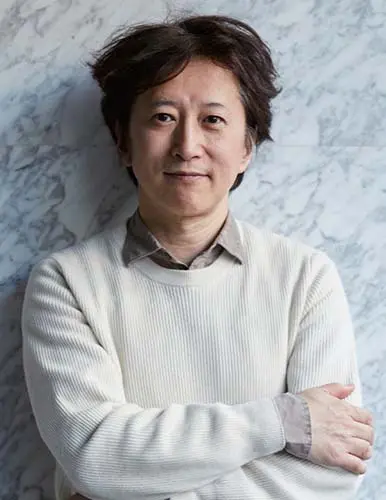
Hirohiko Araki is not just a manga artist; he is a singular phenomenon in the world of storytelling, a creator whose boundless imagination and defiance of convention have cemented his status as a legend. Born on June 7, 1960, in Sendai, Japan, Araki’s journey began with a passion for literature and art, submitting his first work, Poker Under Arms, to Weekly Shonen Jump while still in high school. While his early career saw moderate success, it was the 1987 debut of JoJo’s Bizarre Adventure that would ignite a creative supernova, spawning a multi-generational epic that continues to evolve nearly four decades later. Araki’s biography is a testament to relentless innovation, exploring a unique artistic philosophy he terms “the spirit of ‘Lucky!'” – a belief in pursuing what feels exciting and genuine over fleeting trends, a principle that has guided JoJo’s from a muscular vampire-hunting tale into a sophisticated saga of psychic Stand battles, fashion, and art history.
Araki’s influences are as eclectic and refined as his work, creating a unique alchemy that defines JoJo’s. Western pop culture is a dominant force; he cites the muscular dynamism of Renaissance sculpture, particularly Michelangelo’s, as the foundation for the series’ iconic, exaggerated physiques. The narrative tension and familial drama of The Godfather inspired the multi-generational structure of the Joestar bloodline. Furthermore, the glamour and aesthetics of 1980s Western fashion and music are woven directly into the fabric of the series, with characters and Stands named after bands like Led Zeppelin, songs like “Killer Queen,” and fashion designers. This synthesis of high art and popular culture shattered the mold of typical shonen manga. His influence, in turn, is monumental and pervasive, creating a seismic shift in the industry. Araki demonstrated that a long-running series could completely reinvent itself every few years—changing protagonists, settings, time periods, and even core combat systems—while maintaining a loyal audience. This narrative boldness paved the way for other genre-defying works.
His impact extends far beyond narrative structure into the very language of manga and anime aesthetics. Araki’s pioneering use of “Stand” abilities—psychic manifestations with wildly abstract and rule-based powers—redefined battle manga. Moving away from physical strength training arcs, JoJo’s emphasized strategic, almost puzzle-like combat where intellect and creativity trumped raw power. This concept became a blueprint, directly influencing mega-franchises like Hunter x Hunter and Jujutsu Kaisen, where complex power systems are central. Visually, his “Araki-ism” style—characterized by dramatic, almost impossible poses drawn from fashion photography, meticulous attention to textile detail, and a fearless use of color—created a new standard for stylistic flair. His characters are not just fighters; they are models on a grotesque and glorious runway. This aesthetic has been embraced by legions of artists and animators, with the acclaimed anime adaptation by David Production faithfully replicating his painted artbook color palettes and posing, further cementing his visual legacy.
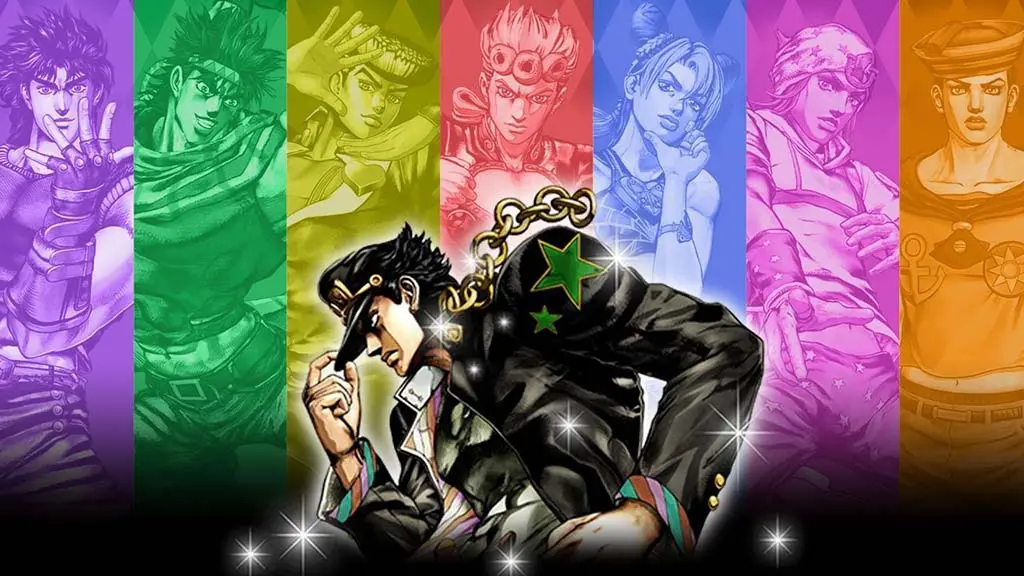
Perhaps Araki’s most profound influence lies in his normalization of intellectual and cultural reference as a core component of popular entertainment. JoJo’s Bizarre Adventure is a dense tapestry of allusions, from classical art and architecture to rock lyrics and cinema. He educates his audience not through lecture, but through immersion, encouraging curiosity and rewarding it. This approach has cultivated a uniquely passionate and analytical global fanbase that dissects every frame for symbolism and reference. Furthermore, Araki’s longevity itself is revolutionary. Now in his sixties and serializing the ninth part, The JOJOLands, in a monthly seinen magazine, he defies the physical and creative burnout that claims many manga artists. His meticulous lifestyle, dedication to anatomical study through figure drawing, and evolution into a more refined, elegant art style present a model for sustainable artistic longevity. Exhibitions of his work at the Louvre and the Smithsonian solidify his crossover from manga icon to bona fide contemporary artist.
In essence, Hirohiko Araki is a creative immortal. He absorbed the spirit of Western art, music, and film, filtered it through his uniquely bizarre sensibility, and produced a work that has, in turn, become a foundational text for generations of creators. From revolutionizing battle systems with Stands to influencing character design and fashion in anime, and proving that a story can be both profoundly weird and intellectually rich, Araki’s shadow looms large. He didn’t just write a manga; he built an ever-expanding universe with its own visual language, logic, and culture, inspiring millions to embrace the bizarre and understand that true style is, as his work proves, timeless.
Hirohiko Araki – Bibliography
- Baoh (1984–1985)
- Publisher: Shueisha, Weekly Shōnen Jump
- An early action-horror manga about a boy infected with a biological weapon. This series shows Araki’s early fascination with body horror and stylized violence.
- The Gorgeous Irene (Gōjasu Aian) (1985)
- Publisher: Shueisha
- A short action series starring a beautiful and deadly female protagonist, reflecting Araki’s growing interest in fashion-forward character design.
- Cool Shock B.T. (1983–1984)
- Publisher: Shueisha, Weekly Shōnen Jump
- A mystery series featuring the clever young magician B.T., marking Araki’s debut as a serialized mangaka.
- JoJo’s Bizarre Adventure (JoJo no Kimyō na Bōken) (1987–present)
- Publisher: Shueisha, Weekly Shōnen Jump / Ultra Jump
- Araki’s legendary long-running saga, divided into distinct story arcs (“Parts”) following different generations of the Joestar family. Famous for its evolving art style, inventive powers called Stands, and bold fashion influences.
- Main Parts:
- Part 1: Phantom Blood (1987–1988)
- Introduces Jonathan Joestar and Dio Brando in a gothic, Victorian-era rivalry. 5 volumes.
- Part 2: Battle Tendency (1988–1989)
- Follows Joseph Joestar and expands the series into globe-trotting adventure and supernatural combat. 7 volumes.
- Part 3: Stardust Crusaders (1989–1992)
- Introduces Stands and follows Jotaro Kujo on a journey from Japan to Egypt. 16 volumes.
- Part 4: Diamond Is Unbreakable (1992–1995)
- A small-town mystery set in Morioh, focusing on an ensemble cast and everyday life with supernatural twists. 18 volumes.
- Part 5: Golden Wind (1995–1999)
- Set in Italy, following Giorno Giovanna and the criminal organization Passione. 17 volumes.
- Part 6: Stone Ocean (2000–2003)
- Centers on Jolyne Cujoh in a Florida prison, concluding the original Joestar timeline. 17 volumes.
- Part 7: Steel Ball Run (2004–2011)
- A rebooted continuity set in an alternate universe, structured as a cross-continental horse race. 24 volumes.
- Part 8: JoJolion (2011–2021)
- A mystery-driven story set in Morioh, focused on identity, family secrets, and memory. 27 volumes.
- Part 9: The JOJOLands (2023–present)
- A crime-focused story set in Hawaii, following a new generation of characters. Ongoing series, 4+ volumes.
- Part 1: Phantom Blood (1987–1988)
- Deadman’s Questions (1999)
- Publisher: Shueisha
- A short psychological mystery about a man who wakes up after being executed, exploring identity and memory.
- Thus Spoke Kishibe Rohan (Kishibe Rohan wa Ugokanai) (1997–present (irregular))
- Publisher: Shueisha
- A spin-off series centered on the manga artist Rohan Kishibe, blending supernatural horror with slice-of-life storytelling.