Kentaro Miura: The Dark Fantasist Who Forged an Era
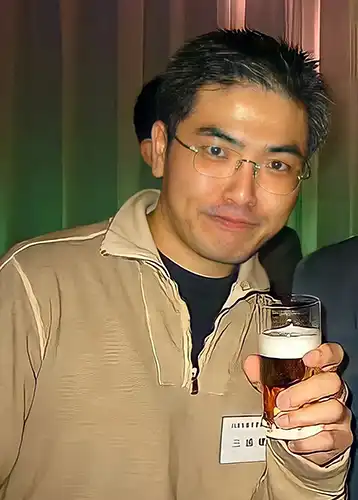
Kentaro Miura, born on July 11, 1966, in Chiba, Japan, and departing far too soon on May 6, 2021, was a creator whose name became synonymous with unparalleled artistic dedication, dark fantasy, and a narrative of profound, enduring influence. From a young age, Miura was a prodigy, crafting his first manga, Miuranger, at just ten years old for his school newspaper. His formative influences were a potent and eclectic mix that would forever flavor his work: the epic historical dramas of Riyoko Ikeda’s The Rose of Versailles, the muscular, hyper-detailed fantasy of Berserk’s own eventual peer, Guin Saga, the cinematic horror of Hellraiser and Evil Dead, and the dark, brooding illustrations of progressive rock albums. This fusion of European medievalism, body horror, romantic tragedy, and epic scale would coalesce into a vision entirely his own.
Miura’s professional journey began in earnest while still at university, with the publication of Berserk Prototype in 1988. It won him a prize and, more importantly, signaled the arrival of a formidable new voice in dark fantasy. The full serialization of Berserk began in 1989 in Hakusensha’s Young Animal magazine, and it would become his life’s work. The story of Guts, the Black Swordsman, and Griffith, the charismatic and monstrous leader of the Band of the Falcon, is a harrowing epic of betrayal, trauma, and the relentless struggle for agency in a god-cursed world. Miura’s storytelling was monumental in its ambition, moving from tight, monster-of-the-week horror to a sprawling, medieval-inspired epic, often compared to a manga adaptation of a lost, brutal Wagnerian opera.
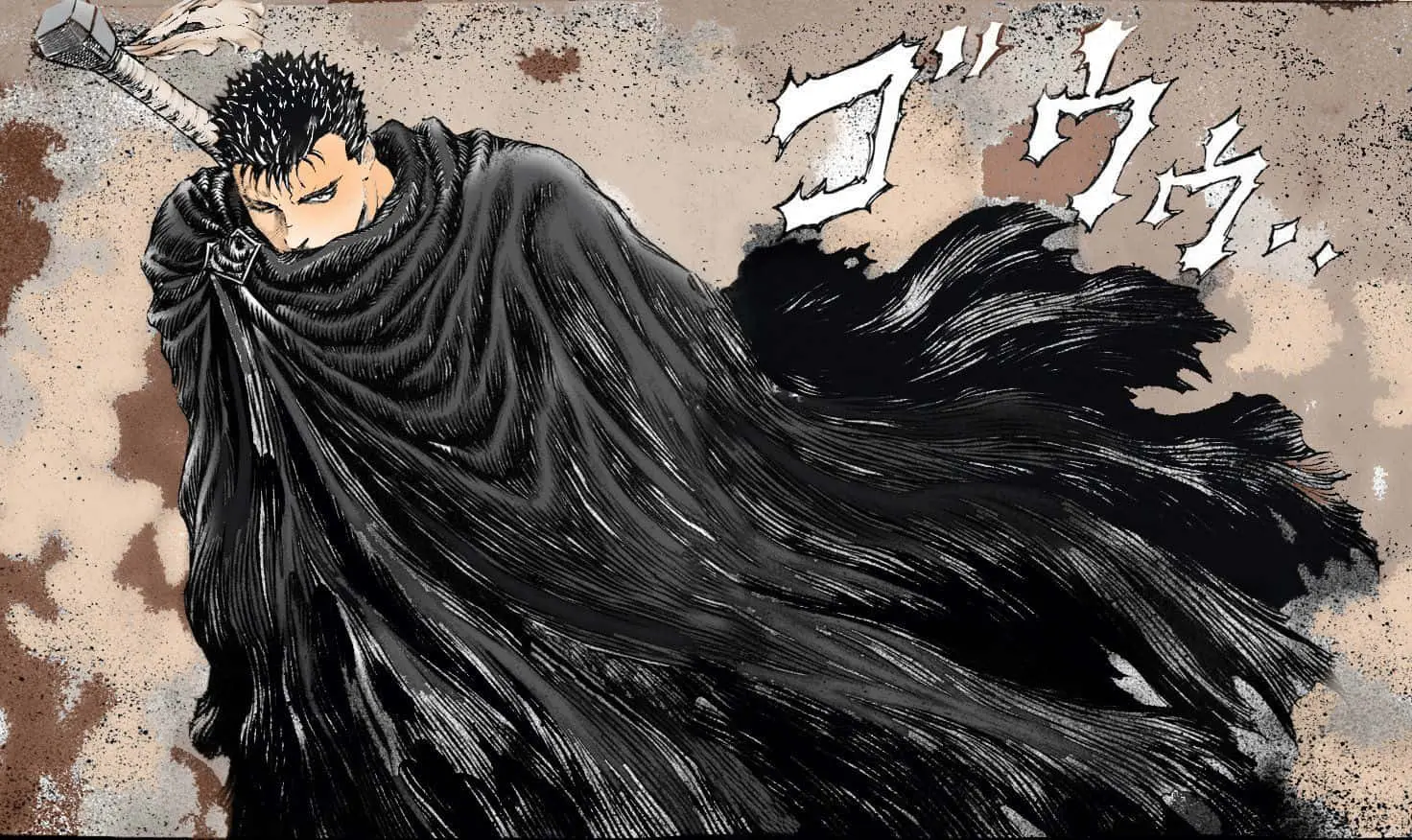
It is impossible to discuss Miura without addressing his art, which set an almost unreachable standard for the medium. His illustrations were not merely drawings; they were engravings. He employed a technique of dense, intricate cross-hatching and staggering detail that brought to life everything from the grotesque beauty of demonic Apostles to the subtle emotion on a character’s face, from the grandeur of a castle spire to the visceral brutality of a battlefield. A single panel could contain a universe of texture, and a two-page spread could evoke the scale and terror of a Hieronymus Bosch painting. This obsessive, time-consuming craftsmanship was the primary reason for Berserk’s frequent and lengthy hiatuses, but each new chapter was received as a major event in the manga world, a testament to the sheer power of his vision.
Kentaro Miura’s influence on other mangaka and the broader landscape of fantasy is deep, wide, and undeniable. He is the undisputed patriarch of dark fantasy manga and anime, having essentially defined the genre’s modern aesthetic and thematic weight. Within Japan, his shadow looms over creators who explore similar tonal territories. Hiroya Oku (Gantz), with his own blend of existential dread, graphic violence, and social satire, works in a genre Miura helped carve. Yoshihiro Togashi, in the later, darker arcs of Hunter x Hunter, channels a similar sense of overwhelming, inhuman evil and psychological complexity. The designers of the Dark Souls and Bloodborne video game series, led by Hidetaka Miyazaki, have repeatedly and publicly credited Berserk as a foundational inspiration for their games’ gloomy atmospheres, intricate armor designs, and themes of cyclical despair and faint hope. This influence extends globally, impacting Western comic artists and fantasy writers who see in Miura a master of visualizing the sublime and the horrific.
Beyond direct homage, Miura’s greatest legacy is his proof of concept: that a manga could be a work of relentless, adult philosophical inquiry and a virtuosic visual art form on par with the great European masters of fantasy illustration. He demonstrated that commercial serialization could accommodate a personal, painstakingly crafted masterpiece, reshaping industry and fan expectations for what the medium could achieve. The tragic news of his passing in 2021 sent shockwaves through the global creative community, a testament to his stature. His close friend and fellow manga artist Kouji Mori, with the blessing of Miura’s family and studio, has undertaken the solemn task of completing the story based on Miura’s known outlines and conversations, ensuring the Eclipse does not have the final word. Kentaro Miura’s life was his art, and through Berserk, he forged not just a story, but an entire aesthetic and emotional language for darkness, struggle, and the fragile glimmer of human resilience, leaving an indelible mark on the heart of fantasy itself.
Kentaro Miura – Bibliography
- Futatabi (one-shot) (1985)
- One of Miura’s earliest published works as a young artist. Explores dark themes and supernatural elements.
- Noa (one-shot) (1985)
- An early work demonstrating Miura’s interest in fantasy and complex, atmospheric illustrations.
- King of Wolves (Ōkami no Ō) (1989)
- Publisher: Hakusensha, Young Animal
- A historical/fantasy one-shot featuring samurai and warlords, notable for its detailed art and dynamic action.
- Giganto Maxia (co-creator) (1990)
- Publisher: Hakusensha
- A science-fiction short story showcasing Miura’s talent for large-scale environments and mecha-like designs.
- Berserk (1989–2021)
- Publisher: Hakusensha, Young Animal
- Miura’s landmark dark fantasy series, following Guts, a lone mercenary, through a brutal medieval world of demons, corruption, and fate. Known for intricate linework, epic storytelling, and psychological depth. 41 volumes (series unfinished at Miura’s death).
- Duranki (2019)
- Publisher: Hakusensha, Young Animal Zero
- A mythological fantasy series written and illustrated by Miura, blending high-action adventure with supernatural themes. Collected in 1 volume.
- Other One-Shots and Short Works
- Japan (1982, early work from Miura’s adolescence)
- Epic of Darkness (unpublished early concept stories)
- Futari no Shonen (1986)
These works show Miura’s evolving narrative style and foreshadow the dark, mature themes of Berserk.