Makoto Yukimura: The Meticulous Historian of Vinland Saga
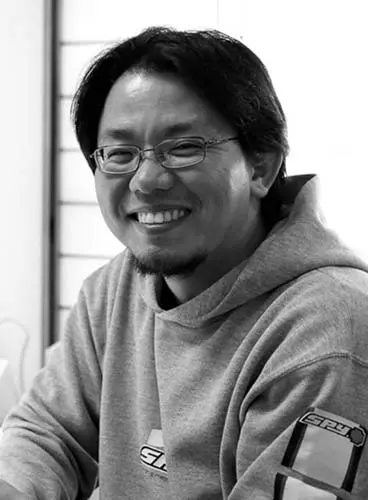
Makoto Yukimura, born Shin Kibayashi in 1976, is a Japanese manga artist revered for his meticulous historical research, profound philosophical storytelling, and breathtakingly detailed artwork. While his professional name remains a pseudonym, his legacy is built on the monumental and critically acclaimed series, Vinland Saga, a work that has redefined the historical manga genre. Yukimura’s path to artistry was not direct; he initially studied physics in university, a background that may contribute to the rigorous, almost scientific logic underpinning his world-building and character development. His career began not as a solo creator, but under the tutelage of the legendary manga artist Shinji Hiramatsu, where he served as an assistant. This apprenticeship was crucial, grounding him in the technical discipline of the craft before he embarked on his own visionary projects.
Yukimura’s first major serialization was Planetes (1999-2004), a hard science-fiction story set in the near future about a crew of debris collectors in space. While seemingly a departure from the Viking epics to come, Planetes established the core tenets of Yukimura’s style: a commitment to technical accuracy (consulting with NASA and JAXA for realism), a focus on the mundane lives of people within a grander system, and a deep humanism exploring purpose, trauma, and redemption. This early success demonstrated his unique ability to blend authentic detail with powerful character drama. However, it was with his opus, Vinland Saga (beginning in 2005), that Yukimura would achieve his masterpiece and cement his influence. Moving from the vastness of space to the rugged coasts of the North Atlantic, he turned his exacting gaze to the Viking Age, transforming what could have been a simple tale of revenge into a sweeping historical and philosophical examination of violence, peace, and the meaning of a true warrior.
Yukimura’s influences are as diverse as they are foundational. The clear lineage traces back to the epic historical narratives found in manga like Yoshihiko Yamashita’s The Legend of Koizumi and the gritty realism of Ryōichi Ikegami’s art. However, his greatest inspirations are drawn directly from history and literature. He immerses himself in primary sources like the Icelandic Sagas, particularly The Saga of the Greenlanders and The Saga of Erik the Red, as well as contemporaneous historical accounts. This scholarly approach provides the bedrock of Vinland Saga‘s authenticity. Furthermore, the philosophical heart of the story reveals influences ranging from stoic philosophy to the pacifist ideals of historical figures like Thorfinn Karlsefni, whose journey to Vinland (North America) provides the series’ narrative and thematic destination. Yukimura does not romanticize the Viking era; instead, he portrays its brutality with unflinching clarity to serve a higher purpose—deconstructing the very cycle of violence that defines it.
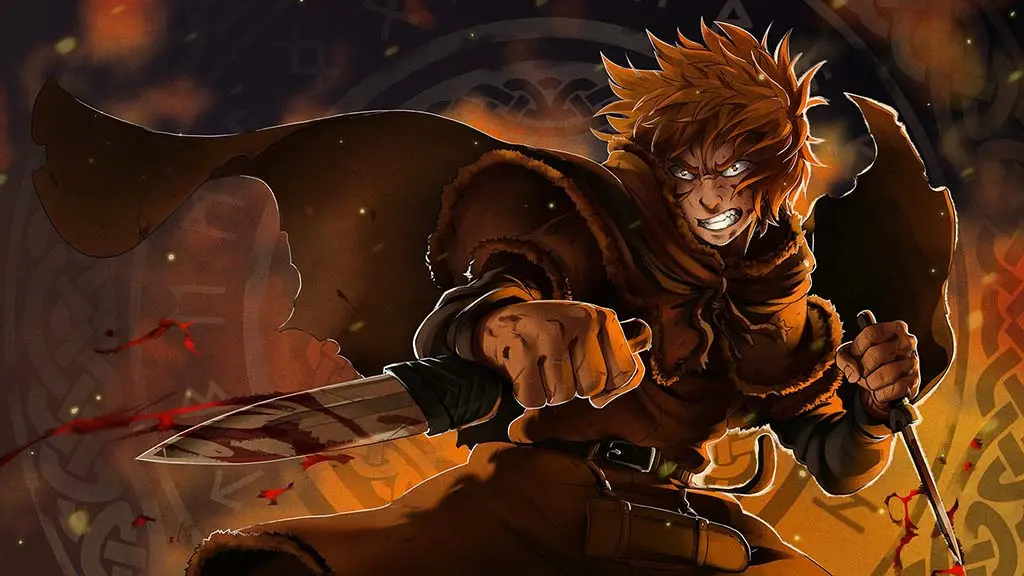
In turn, Yukimura’s influence on the manga industry and its global readership is profound and multifaceted. Vinland Saga has been instrumental in elevating the prestige and potential of the historical manga genre. He demonstrated that a series could be both commercially successful and intellectually demanding, treating its audience as mature readers capable of engaging with complex moral dilemmas and historical nuance. His work has inspired a generation of creators to pursue historical narratives with greater rigor and thematic ambition, moving beyond simple period-piece action. The series’ central arc—from a revenge-driven narrative in its first major phase to a contemplative, almost anti-violence treatise in its second—is a daring structural gamble that has paid off, proving that a protagonist’s strength can be measured by his commitment to peace rather than his capacity for slaughter. This philosophical journey, following Thorfinn from a vengeful child to a tormented slave to a man seeking to build a land free of slavery and war, has resonated deeply, challenging the very conventions of the “warrior” archetype in shonen and seinen manga.
Moreover, Yukimura’s impact extends beyond the page through the acclaimed anime adaptation by Wit Studio (Season 1) and MAPPA (Season 2). The adaptation’s faithfulness to his detailed art and measured pacing has brought his work to a vast new audience, sparking international interest in Viking history and the series’ philosophical questions. His character designs, which balance historical plausibility with expressive emotion, and his meticulously researched depictions of daily life, architecture, and warfare have set a new standard for authenticity in the medium. In an industry often driven by fantasy and power escalation, Makoto Yukimura stands as a master craftsman of reality and reflection. He uses the canvas of history not to glorify the past, but to interrogate timeless human struggles, influencing creators and readers alike to consider the cost of violence and the arduous, noble path toward building a peaceful world. His biography is that of an artist-historian, whose work on Vinland Saga ensures his place as one of the most thoughtful and influential manga creators of his generation.
Makoto Yukimura – Bibliography
Manga Series
- Planetes (1999–2004)
- Publisher: Kodansha, Monthly Afternoon
- A hard science-fiction manga about space debris collectors in the near future. Explores human ambition, relationships, and the challenges of space travel. Collected in 4 volumes.
- Vinland Saga (2005–2025)
- Publisher: Kodansha, Monthly Afternoon
- A historical epic about Vikings, focusing on Thorfinn’s journey from revenge to self-discovery. Known for detailed artwork, historical accuracy, and complex characters. Ongoing series, collected in 26+ volumes.
Early One-Shots / Short Works
- Young Vinland Saga Concept Stories (pre-2005)
- Various short stories in Monthly Afternoon anthologies
- These works showcase Yukimura’s early experimentation with historical themes and character-driven storytelling.