A Pre-Raphaelite Legacy: Florence Harrison’s Poems by Christina Rossetti
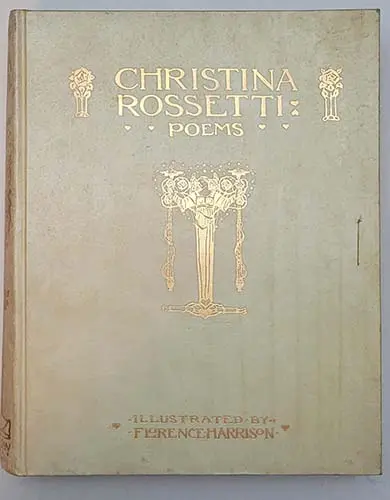
In the early years of the twentieth century, a remarkable artistic convergence occurred when the work of one Pre-Raphaelite artist met the hand of another across a span of decades. Florence Harrison’s 1910 edition of Poems by Christina Rossetti, published by Blackie & Son in London, represents a perfect synthesis of two creative spirits—the poet whose verses defined the Pre-Raphaelite sensibility and the illustrator who carried that tradition into the Edwardian age.
Christina Rossetti (1830–1894) was one of the most important poets of the Victorian era, a central figure in the Pre-Raphaelite movement alongside her brother, the painter Dante Gabriel Rossetti. Her poetry—characterized by its lyrical beauty, its spiritual depth, and its engagement with themes of love, loss, and mortality—had been illustrated before, but never with the sympathetic understanding that Florence Harrison brought to the task. Harrison, whose style was deeply influenced by the Pre-Raphaelites, approached Rossetti’s verses as a kindred spirit, finding in their melancholy grace a visual language perfectly suited to her own artistic temperament.
Florence Susan Harrison (1877–1955) was an Australian-born illustrator who had established her reputation with volumes such as In the Fairy Ring (1908) and Elfin Song (1912). Her style was characterized by vibrant, richly coloured drawings with a distinctive strong black outline around her figures—a technique that gave her work a stained-glass quality and linked it to the medievalism that had inspired the original Pre-Raphaelites. She worked primarily for Blackie & Son, the celebrated Glasgow-based publisher, and became known for illustrating works by the Pre-Raphaelite circle, including Christina Rossetti, William Morris, and Alfred, Lord Tennyson.
The 1910 edition of Poems by Christina Rossetti was a handsome production, issued in both trade and deluxe formats. The binding was in blue or green cloth with gilt stamping, often featuring a design by Harrison on the front cover that hinted at the treasures within. Inside, readers discovered thirty-six mounted color plates, each protected by a captioned tissue guard, alongside numerous black-and-white illustrations and decorative elements woven throughout the text. The volume measured approximately 22 centimeters in height, a substantial octavo format that allowed Harrison’s illustrations to command the page.
What distinguishes Harrison’s Rossetti is her ability to capture the spiritual and emotional depths of the poetry. Her illustrations for “Goblin Market,” Rossetti’s most famous poem, are among the most celebrated in the volume. The goblins are rendered with a grotesque charm that captures their seductive menace; the sisters Lizzie and Laura are drawn with a tender sisterly bond that mirrors the poem’s themes of temptation, sacrifice, and redemption. The color palette shifts with the mood—the warm, earthy tones of the goblin market contrasting with the cool, ethereal light of the sisters’ domestic world.
Harrison’s illustrations for Rossetti’s devotional poetry are equally notable. “In the Bleak Midwinter,” perhaps Rossetti’s most famous carol, receives an illustration of quiet reverence—the stable scene rendered in soft golds and blues, the Christ child luminous against the winter dark. The poems of love and loss are illustrated with a sensitivity that matches Rossetti’s lyricism, the figures caught in moments of longing or remembrance, their faces reflecting the emotional weight of the verses.
Harrison’s technique in this volume reflects her deep engagement with Pre-Raphaelite painting. The black outlines around her figures, the meticulous attention to pattern and detail, the jewel-like colors—all recall the work of Dante Gabriel Rossetti and his circle. Yet Harrison’s style is also distinctly her own: softer, more decorative, more attuned to the tastes of the Edwardian era. The result is a synthesis that honors the original Pre-Raphaelite vision while bringing it into a new century.
Today, Harrison’s Poems by Christina Rossetti is a prized collectible. First editions in good condition—with the thirty-six color plates intact, the tissue guards present, and the binding bright—are scarce. For collectors of Pre-Raphaelite art, for admirers of Rossetti’s poetry, and for those who appreciate the golden age of illustration, the volume represents a treasure: a book where two artists, separated by a generation, meet across the pages, and the result is something beautiful and enduring.
In the pages of this book, Rossetti’s goblins still call to passing maidens; her winter snows still fall on the stable at Bethlehem; her lovers still wait, still long, still remember. Florence Harrison gave these poems a visual language that captures their beauty and their depth—a reminder that the greatest illustrated books are those that honor the text they accompany, illuminating it without overwhelming it, finding in the meeting of word and image something new, something lasting, something true.
For collectors:
• Goblin Market and Other Poems by Christina Rossetti, illustrated by Dante Gabriel Rossetti (1862) – The poet’s brother’s iconic illustrations
• Elfin Song by Florence Harrison (1912) – The illustrator’s own poetry collection with similar artwork
Art Gallery: Florence Harrison – Poems by Christina Rossetti 1910
![Florence Harrison- Poems by Christina Rossetti [fharrison-rossetti01] (art, illustrations)](https://www.nocloo.com/wp-content/plugins/justified-image-grid/timthumb.php?src=https%3A%2F%2Fwww.nocloo.com%2Fart%2Fharrison-rossetti%2Ffharrison-rossetti01.jpg&h=280&q=90&f=.jpg)
![Florence Harrison- Poems by Christina Rossetti [fharrison-rossetti02] (art, illustrations)](https://www.nocloo.com/wp-content/plugins/justified-image-grid/timthumb.php?src=https%3A%2F%2Fwww.nocloo.com%2Fart%2Fharrison-rossetti%2Ffharrison-rossetti02.jpg&h=280&q=90&f=.jpg)
![Florence Harrison- Poems by Christina Rossetti [fharrison-rossetti03] (art, illustrations)](https://www.nocloo.com/wp-content/plugins/justified-image-grid/timthumb.php?src=https%3A%2F%2Fwww.nocloo.com%2Fart%2Fharrison-rossetti%2Ffharrison-rossetti03.jpg&h=280&q=90&f=.jpg)
![Florence Harrison- Poems by Christina Rossetti [fharrison-rossetti04] (art, illustrations)](https://www.nocloo.com/wp-content/plugins/justified-image-grid/timthumb.php?src=https%3A%2F%2Fwww.nocloo.com%2Fart%2Fharrison-rossetti%2Ffharrison-rossetti04.jpg&h=280&q=90&f=.jpg)
![Florence Harrison- Poems by Christina Rossetti [fharrison-rossetti05] (art, illustrations)](https://www.nocloo.com/wp-content/plugins/justified-image-grid/timthumb.php?src=https%3A%2F%2Fwww.nocloo.com%2Fart%2Fharrison-rossetti%2Ffharrison-rossetti05.jpg&h=280&q=90&f=.jpg)
![Florence Harrison- Poems by Christina Rossetti [fharrison-rossetti06] (art, illustrations)](https://www.nocloo.com/wp-content/plugins/justified-image-grid/timthumb.php?src=https%3A%2F%2Fwww.nocloo.com%2Fart%2Fharrison-rossetti%2Ffharrison-rossetti06.jpg&h=280&q=90&f=.jpg)
![Florence Harrison- Poems by Christina Rossetti [fharrison-rossetti07] (art, illustrations)](https://www.nocloo.com/wp-content/plugins/justified-image-grid/timthumb.php?src=https%3A%2F%2Fwww.nocloo.com%2Fart%2Fharrison-rossetti%2Ffharrison-rossetti07.jpg&h=280&q=90&f=.jpg)
![Florence Harrison- Poems by Christina Rossetti [fharrison-rossetti08] (art, illustrations)](https://www.nocloo.com/wp-content/plugins/justified-image-grid/timthumb.php?src=https%3A%2F%2Fwww.nocloo.com%2Fart%2Fharrison-rossetti%2Ffharrison-rossetti08.jpg&h=280&q=90&f=.jpg)
![Florence Harrison- Poems by Christina Rossetti [fharrison-rossetti09] (art, illustrations)](https://www.nocloo.com/wp-content/plugins/justified-image-grid/timthumb.php?src=https%3A%2F%2Fwww.nocloo.com%2Fart%2Fharrison-rossetti%2Ffharrison-rossetti09.jpg&h=280&q=90&f=.jpg)
![Florence Harrison- Poems by Christina Rossetti [fharrison-rossetti10] (art, illustrations)](https://www.nocloo.com/wp-content/plugins/justified-image-grid/timthumb.php?src=https%3A%2F%2Fwww.nocloo.com%2Fart%2Fharrison-rossetti%2Ffharrison-rossetti10.jpg&h=280&q=90&f=.jpg)
![Florence Harrison- Poems by Christina Rossetti [fharrison-rossetti11] (art, illustrations)](https://www.nocloo.com/wp-content/plugins/justified-image-grid/timthumb.php?src=https%3A%2F%2Fwww.nocloo.com%2Fart%2Fharrison-rossetti%2Ffharrison-rossetti11.jpg&h=280&q=90&f=.jpg)
![Florence Harrison- Poems by Christina Rossetti [fharrison-rossetti12] (art, illustrations)](https://www.nocloo.com/wp-content/plugins/justified-image-grid/timthumb.php?src=https%3A%2F%2Fwww.nocloo.com%2Fart%2Fharrison-rossetti%2Ffharrison-rossetti12.jpg&h=280&q=90&f=.jpg)
![Florence Harrison- Poems by Christina Rossetti [fharrison-rossetti13] (art, illustrations)](https://www.nocloo.com/wp-content/plugins/justified-image-grid/timthumb.php?src=https%3A%2F%2Fwww.nocloo.com%2Fart%2Fharrison-rossetti%2Ffharrison-rossetti13.jpg&h=280&q=90&f=.jpg)
![Florence Harrison- Poems by Christina Rossetti [fharrison-rossetti14] (art, illustrations)](https://www.nocloo.com/wp-content/plugins/justified-image-grid/timthumb.php?src=https%3A%2F%2Fwww.nocloo.com%2Fart%2Fharrison-rossetti%2Ffharrison-rossetti14.jpg&h=280&q=90&f=.jpg)
![Florence Harrison- Poems by Christina Rossetti [fharrison-rossetti15] (art, illustrations)](https://www.nocloo.com/wp-content/plugins/justified-image-grid/timthumb.php?src=https%3A%2F%2Fwww.nocloo.com%2Fart%2Fharrison-rossetti%2Ffharrison-rossetti15.jpg&h=280&q=90&f=.jpg)
![Florence Harrison- Poems by Christina Rossetti [fharrison-rossetti16] (art, illustrations)](https://www.nocloo.com/wp-content/plugins/justified-image-grid/timthumb.php?src=https%3A%2F%2Fwww.nocloo.com%2Fart%2Fharrison-rossetti%2Ffharrison-rossetti16.jpg&h=280&q=90&f=.jpg)
![Florence Harrison- Poems by Christina Rossetti [fharrison-rossetti17] (art, illustrations)](https://www.nocloo.com/wp-content/plugins/justified-image-grid/timthumb.php?src=https%3A%2F%2Fwww.nocloo.com%2Fart%2Fharrison-rossetti%2Ffharrison-rossetti17.jpg&h=280&q=90&f=.jpg)
![Florence Harrison- Poems by Christina Rossetti [fharrison-rossetti18] (art, illustrations)](https://www.nocloo.com/wp-content/plugins/justified-image-grid/timthumb.php?src=https%3A%2F%2Fwww.nocloo.com%2Fart%2Fharrison-rossetti%2Ffharrison-rossetti18.jpg&h=280&q=90&f=.jpg)
![Florence Harrison- Poems by Christina Rossetti [fharrison-rossetti19] (art, illustrations)](https://www.nocloo.com/wp-content/plugins/justified-image-grid/timthumb.php?src=https%3A%2F%2Fwww.nocloo.com%2Fart%2Fharrison-rossetti%2Ffharrison-rossetti19.jpg&h=280&q=90&f=.jpg)
![Florence Harrison- Poems by Christina Rossetti [fharrison-rossetti20] (art, illustrations)](https://www.nocloo.com/wp-content/plugins/justified-image-grid/timthumb.php?src=https%3A%2F%2Fwww.nocloo.com%2Fart%2Fharrison-rossetti%2Ffharrison-rossetti20.jpg&h=280&q=90&f=.jpg)
![Florence Harrison- Poems by Christina Rossetti [fharrison-rossetti21] (art, illustrations)](https://www.nocloo.com/wp-content/plugins/justified-image-grid/timthumb.php?src=https%3A%2F%2Fwww.nocloo.com%2Fart%2Fharrison-rossetti%2Ffharrison-rossetti21.jpg&h=280&q=90&f=.jpg)
![Florence Harrison- Poems by Christina Rossetti [fharrison-rossetti22] (art, illustrations)](https://www.nocloo.com/wp-content/plugins/justified-image-grid/timthumb.php?src=https%3A%2F%2Fwww.nocloo.com%2Fart%2Fharrison-rossetti%2Ffharrison-rossetti22.jpg&h=280&q=90&f=.jpg)
![Florence Harrison- Poems by Christina Rossetti [fharrison-rossetti23] (art, illustrations)](https://www.nocloo.com/wp-content/plugins/justified-image-grid/timthumb.php?src=https%3A%2F%2Fwww.nocloo.com%2Fart%2Fharrison-rossetti%2Ffharrison-rossetti23.jpg&h=280&q=90&f=.jpg)
![Florence Harrison- Poems by Christina Rossetti [fharrison-rossetti24] (art, illustrations)](https://www.nocloo.com/wp-content/plugins/justified-image-grid/timthumb.php?src=https%3A%2F%2Fwww.nocloo.com%2Fart%2Fharrison-rossetti%2Ffharrison-rossetti24.jpg&h=280&q=90&f=.jpg)
![Florence Harrison- Poems by Christina Rossetti [fharrison-rossetti25] (art, illustrations)](https://www.nocloo.com/wp-content/plugins/justified-image-grid/timthumb.php?src=https%3A%2F%2Fwww.nocloo.com%2Fart%2Fharrison-rossetti%2Ffharrison-rossetti25.jpg&h=280&q=90&f=.jpg)
![Florence Harrison- Poems by Christina Rossetti [fharrison-rossetti26] (art, illustrations)](https://www.nocloo.com/wp-content/plugins/justified-image-grid/timthumb.php?src=https%3A%2F%2Fwww.nocloo.com%2Fart%2Fharrison-rossetti%2Ffharrison-rossetti26.jpg&h=280&q=90&f=.jpg)
![Florence Harrison- Poems by Christina Rossetti [fharrison-rossetti27] (art, illustrations)](https://www.nocloo.com/wp-content/plugins/justified-image-grid/timthumb.php?src=https%3A%2F%2Fwww.nocloo.com%2Fart%2Fharrison-rossetti%2Ffharrison-rossetti27.jpg&h=280&q=90&f=.jpg)
![Florence Harrison- Poems by Christina Rossetti [fharrison-rossetti28] (art, illustrations)](https://www.nocloo.com/wp-content/plugins/justified-image-grid/timthumb.php?src=https%3A%2F%2Fwww.nocloo.com%2Fart%2Fharrison-rossetti%2Ffharrison-rossetti28.jpg&h=280&q=90&f=.jpg)
![Florence Harrison- Poems by Christina Rossetti [fharrison-rossetti29] (art, illustrations)](https://www.nocloo.com/wp-content/plugins/justified-image-grid/timthumb.php?src=https%3A%2F%2Fwww.nocloo.com%2Fart%2Fharrison-rossetti%2Ffharrison-rossetti29.jpg&h=280&q=90&f=.jpg)
![Florence Harrison- Poems by Christina Rossetti [fharrison-rossetti30] (art, illustrations)](https://www.nocloo.com/wp-content/plugins/justified-image-grid/timthumb.php?src=https%3A%2F%2Fwww.nocloo.com%2Fart%2Fharrison-rossetti%2Ffharrison-rossetti30.jpg&h=280&q=90&f=.jpg)
![Florence Harrison- Poems by Christina Rossetti [fharrison-rossetti31] (art, illustrations)](https://www.nocloo.com/wp-content/plugins/justified-image-grid/timthumb.php?src=https%3A%2F%2Fwww.nocloo.com%2Fart%2Fharrison-rossetti%2Ffharrison-rossetti31.jpg&h=280&q=90&f=.jpg)
![Florence Harrison- Poems by Christina Rossetti [fharrison-rossetti32] (art, illustrations)](https://www.nocloo.com/wp-content/plugins/justified-image-grid/timthumb.php?src=https%3A%2F%2Fwww.nocloo.com%2Fart%2Fharrison-rossetti%2Ffharrison-rossetti32.jpg&h=280&q=90&f=.jpg)
![Florence Harrison- Poems by Christina Rossetti [fharrison-rossetti33] (art, illustrations)](https://www.nocloo.com/wp-content/plugins/justified-image-grid/timthumb.php?src=https%3A%2F%2Fwww.nocloo.com%2Fart%2Fharrison-rossetti%2Ffharrison-rossetti33.jpg&h=280&q=90&f=.jpg)
![Florence Harrison- Poems by Christina Rossetti [fharrison-rossetti34] (art, illustrations)](https://www.nocloo.com/wp-content/plugins/justified-image-grid/timthumb.php?src=https%3A%2F%2Fwww.nocloo.com%2Fart%2Fharrison-rossetti%2Ffharrison-rossetti34.jpg&h=280&q=90&f=.jpg)
![Florence Harrison- Poems by Christina Rossetti [fharrison-rossetti35] (art, illustrations)](https://www.nocloo.com/wp-content/plugins/justified-image-grid/timthumb.php?src=https%3A%2F%2Fwww.nocloo.com%2Fart%2Fharrison-rossetti%2Ffharrison-rossetti35.jpg&h=280&q=90&f=.jpg)
![Florence Harrison- Poems by Christina Rossetti [fharrison-rossetti36] (art, illustrations)](https://www.nocloo.com/wp-content/plugins/justified-image-grid/timthumb.php?src=https%3A%2F%2Fwww.nocloo.com%2Fart%2Fharrison-rossetti%2Ffharrison-rossetti36.jpg&h=280&q=90&f=.jpg)
![Florence Harrison- Poems by Christina Rossetti [fharrison-rossetti37] (art, illustrations)](https://www.nocloo.com/wp-content/plugins/justified-image-grid/timthumb.php?src=https%3A%2F%2Fwww.nocloo.com%2Fart%2Fharrison-rossetti%2Ffharrison-rossetti37.jpg&h=280&q=90&f=.jpg)
![Florence Harrison- Poems by Christina Rossetti [fharrison-rossetti38] (art, illustrations)](https://www.nocloo.com/wp-content/plugins/justified-image-grid/timthumb.php?src=https%3A%2F%2Fwww.nocloo.com%2Fart%2Fharrison-rossetti%2Ffharrison-rossetti38.jpg&h=280&q=90&f=.jpg)
![Florence Harrison- Poems by Christina Rossetti [fharrison-rossetti39] (art, illustrations)](https://www.nocloo.com/wp-content/plugins/justified-image-grid/timthumb.php?src=https%3A%2F%2Fwww.nocloo.com%2Fart%2Fharrison-rossetti%2Ffharrison-rossetti39.jpg&h=280&q=90&f=.jpg)
![Florence Harrison- Poems by Christina Rossetti [fharrison-rossetti40] (art, illustrations)](https://www.nocloo.com/wp-content/plugins/justified-image-grid/timthumb.php?src=https%3A%2F%2Fwww.nocloo.com%2Fart%2Fharrison-rossetti%2Ffharrison-rossetti40.jpg&h=280&q=90&f=.jpg)
![Florence Harrison- Poems by Christina Rossetti [fharrison-rossetti41] (art, illustrations)](https://www.nocloo.com/wp-content/plugins/justified-image-grid/timthumb.php?src=https%3A%2F%2Fwww.nocloo.com%2Fart%2Fharrison-rossetti%2Ffharrison-rossetti41.jpg&h=280&q=90&f=.jpg)
![Florence Harrison- Poems by Christina Rossetti [fharrison-rossetti42] (art, illustrations)](https://www.nocloo.com/wp-content/plugins/justified-image-grid/timthumb.php?src=https%3A%2F%2Fwww.nocloo.com%2Fart%2Fharrison-rossetti%2Ffharrison-rossetti42.jpg&h=280&q=90&f=.jpg)
![Florence Harrison- Poems by Christina Rossetti [fharrison-rossetti43] (art, illustrations)](https://www.nocloo.com/wp-content/plugins/justified-image-grid/timthumb.php?src=https%3A%2F%2Fwww.nocloo.com%2Fart%2Fharrison-rossetti%2Ffharrison-rossetti43.jpg&h=280&q=90&f=.jpg)
![Florence Harrison- Poems by Christina Rossetti [fharrison-rossetti44] (art, illustrations)](https://www.nocloo.com/wp-content/plugins/justified-image-grid/timthumb.php?src=https%3A%2F%2Fwww.nocloo.com%2Fart%2Fharrison-rossetti%2Ffharrison-rossetti44.jpg&h=280&q=90&f=.jpg)
![Florence Harrison- Poems by Christina Rossetti [fharrison-rossetti45] (art, illustrations)](https://www.nocloo.com/wp-content/plugins/justified-image-grid/timthumb.php?src=https%3A%2F%2Fwww.nocloo.com%2Fart%2Fharrison-rossetti%2Ffharrison-rossetti45.jpg&h=280&q=90&f=.jpg)
![Florence Harrison- Poems by Christina Rossetti [fharrison-rossetti46] (art, illustrations)](https://www.nocloo.com/wp-content/plugins/justified-image-grid/timthumb.php?src=https%3A%2F%2Fwww.nocloo.com%2Fart%2Fharrison-rossetti%2Ffharrison-rossetti46.jpg&h=280&q=90&f=.jpg)
![Florence Harrison- Poems by Christina Rossetti [fharrison-rossetti47] (art, illustrations)](https://www.nocloo.com/wp-content/plugins/justified-image-grid/timthumb.php?src=https%3A%2F%2Fwww.nocloo.com%2Fart%2Fharrison-rossetti%2Ffharrison-rossetti47.jpg&h=280&q=90&f=.jpg)
![Florence Harrison- Poems by Christina Rossetti [fharrison-rossetti48] (art, illustrations)](https://www.nocloo.com/wp-content/plugins/justified-image-grid/timthumb.php?src=https%3A%2F%2Fwww.nocloo.com%2Fart%2Fharrison-rossetti%2Ffharrison-rossetti48.jpg&h=280&q=90&f=.jpg)
![Florence Harrison- Poems by Christina Rossetti [fharrison-rossetti49] (art, illustrations)](https://www.nocloo.com/wp-content/plugins/justified-image-grid/timthumb.php?src=https%3A%2F%2Fwww.nocloo.com%2Fart%2Fharrison-rossetti%2Ffharrison-rossetti49.jpg&h=280&q=90&f=.jpg)
![Florence Harrison- Poems by Christina Rossetti [fharrison-rossetti50] (art, illustrations)](https://www.nocloo.com/wp-content/plugins/justified-image-grid/timthumb.php?src=https%3A%2F%2Fwww.nocloo.com%2Fart%2Fharrison-rossetti%2Ffharrison-rossetti50.jpg&h=280&q=90&f=.jpg)
![Florence Harrison- Poems by Christina Rossetti [fharrison-rossetti51] (art, illustrations)](https://www.nocloo.com/wp-content/plugins/justified-image-grid/timthumb.php?src=https%3A%2F%2Fwww.nocloo.com%2Fart%2Fharrison-rossetti%2Ffharrison-rossetti51.jpg&h=280&q=90&f=.jpg)
![Florence Harrison- Poems by Christina Rossetti [fharrison-rossetti52] (art, illustrations)](https://www.nocloo.com/wp-content/plugins/justified-image-grid/timthumb.php?src=https%3A%2F%2Fwww.nocloo.com%2Fart%2Fharrison-rossetti%2Ffharrison-rossetti52.jpg&h=280&q=90&f=.jpg)
![Florence Harrison- Poems by Christina Rossetti [fharrison-rossetti53] (art, illustrations)](https://www.nocloo.com/wp-content/plugins/justified-image-grid/timthumb.php?src=https%3A%2F%2Fwww.nocloo.com%2Fart%2Fharrison-rossetti%2Ffharrison-rossetti53.jpg&h=280&q=90&f=.jpg)