Hayao Miyazaki: The Reluctant Master and Architect of Animated Souls

Hayao Miyazaki, born on January 5, 1941, in Tokyo, Japan, is not merely a filmmaker or a mangaka; he is the defining spiritual architect of modern animation, a creator whose name has become a global synonym for artistic integrity, ecological wonder, and profound humanism. His childhood was marked by the duality of wartime austerity—his family’s evacuation during the bombings left a permanent impression of a fragile, vanishing pastoral Japan—and the soaring freedom found in the pages of manga, particularly the works of Osamu Tezuka. Though he would later strive to escape Tezuka’s stylistic shadow, this early inspiration cemented his path. After studying political science and economics, he began his career in 1963 at Toei Animation, laboring as an in-betweener. It was here he met his lifelong creative partner, Isao Takahata, and the influential mentor Yasuo Ōtsuka, who instilled in him a zeal for realistic movement and a belief in animation as a serious, expressive art form for all ages.
Miyazaki’s journey to directorial legend was a gradual ascent through the ranks of Japanese television and film. He cut his teeth on pivotal projects like Holse: Prince of the Sun (1968), where his ideas for dynamic action and complex villains first emerged. Frustrated by the limitations of TV anime, he turned to manga in the 1980s, serializing Nausicaä of the Valley of the Wind (1982-1994). This epic, environmentally-conscious fantasy became the bedrock of his worldview and his directorial debut film in 1984. Its success led to the founding, with Isao Takahata, of Studio Ghibli in 1985. Ghibli became the sanctuary where Miyazaki’s visions could be realized unfettered, producing a string of masterpieces that redefined the possibilities of animated storytelling: the soaring childhood adventure of Castle in the Sky (1986), the transformative love story of Howl’s Moving Castle (2004), and the soulful, quasi-autobiographical meditation on art and life in The Wind Rises (2013).
Two films, however, stand as twin pillars of his universal influence. My Neighbor Totoro (1988) distilled his ethos into its purest form: a film with no villain, only the gentle magic of nature and the resilient joy of childhood confronting illness and anxiety. Its iconic creatures became Studio Ghibli’s logo and a global symbol of innocent wonder. Princess Mononoke (1997) represented his apex in complex, adult storytelling—a morally ambiguous epic where environmental destruction and human industry clash without clear heroes, offering not easy answers but a painful, hard-won hope for coexistence. These works, among others, established his signature hallmarks: morally complex heroines (rejecting the passive princess archetype), “ma” (the thoughtful use of quiet, contemplative space), meticulously hand-drawn flight sequences, a deep ambivalence towards technology, and an unshakable belief in pacifism and the resilience of the human spirit.
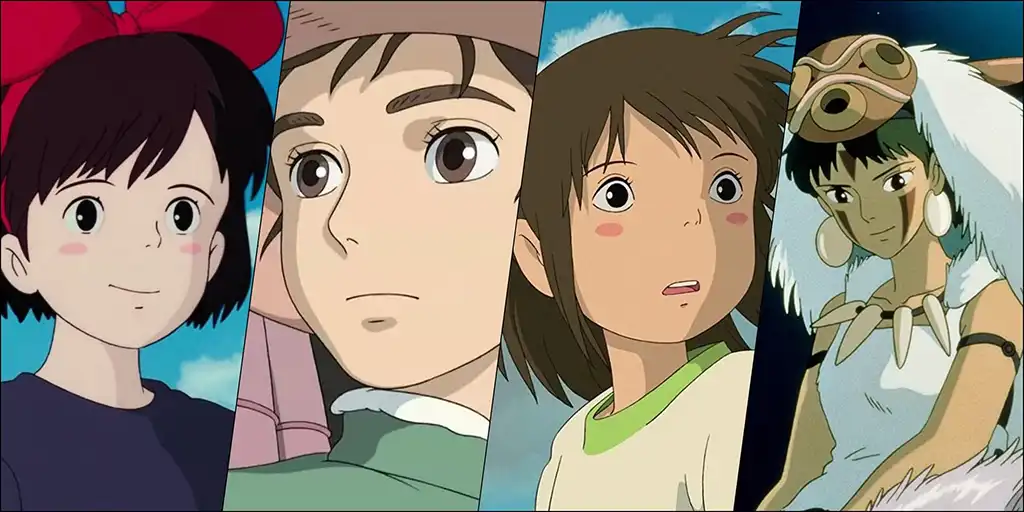
Hayao Miyazaki’s influence on other creators is profound and pervasive, a gravity well that has shaped entire orbits of artistic thought. Within Japan, he is the undisputed master against whom all animators are measured. Directors like Makoto Shinkai (Your Name) inherited his torch for lush, hyper-detailed backgrounds and emotionally resonant, often melancholic stories, while Mamoru Hosoda (The Girl Who Leapt Through Time, Wolf Children) focuses on the magical realism of contemporary family life, a direct thematic descendant of Miyazaki’s domestic fantasies. His impact on manga artists is equally significant; Hiromu Arakawa (Fullmetal Alchemist) credits Miyazaki’s strong, working female characters and his blend of European-inspired settings with steampunk machinery as a foundational influence.
Globally, his effect is immeasurable. Pixar’s creative leadership, particularly John Lasseter and Pete Docter, have consistently cited Miyazaki as their single greatest inspiration, with films like Up and Brave bearing clear thematic and structural debts. His philosophy that animation is not a genre for children but a medium for telling human stories revolutionized Western studios’ approaches, empowering a generation of filmmakers to pursue more ambitious, personal projects. From the detailed world-building of Avatar: The Last Airbender to the environmental themes in countless works, his ideas permeate modern fantasy.
Despite his monumental achievements, Miyazaki is famously portrayed as a conflicted and weary idealist. He has announced his retirement multiple times, only to return, compelled by a story he felt he must tell, as seen with his most recent film, The Boy and the Heron (2023). He is openly critical of the anime industry’s reliance on otaku culture and digital animation, championing the labor-intensive, tactile art of hand-drawn cells with a religious fervor. This relentless perfectionism and his poignant struggles with the modern world’s direction only deepen the authenticity of his art. Hayao Miyazaki is more than a director; he is a modern mythmaker. In an age of increasing digital abstraction and cynicism, his films serve as a hand-crafted compass, pointing toward enduring values of courage, environmental stewardship, quiet resilience, and the transformative power of a steadfast heart. He did not just make movies; he built temples of imagination where lost spirits, both of the world and within ourselves, can find their way home.
Hayao Miyazaki – A Selected Bibliography
- Nausicaä of the Valley of the Wind (Kaze no Tani no Naushika) (1982–1994)
- Publisher: Tokuma Shoten, Animage
- Miyazaki’s most important long-form manga work. A sweeping science-fantasy epic about ecology, war, and moral responsibility. 7 volumes.
- Starting Point: 1979–1996 (1996)
- Publisher: Tokuma Shoten
- A collection of Miyazaki’s essays, interviews, and reflections covering his early career and creative philosophy.
- Turning Point: 1997–2008 (2008)
- Publisher: Tokuma Shoten
- A follow-up volume continuing Miyazaki’s autobiographical writings, focusing on his later career and worldview.
- The Art of Nausicaä of the Valley of the Wind (1996)
- Publisher: Tokuma Shoten
- An artbook featuring illustrations, sketches, and production materials related to Nausicaä, with commentary by Miyazaki.
- Hayao Miyazaki Image Board Collection (1990s)
- Publisher: Tokuma Shoten
- A collection of concept art and visual reference boards used in Miyazaki’s creative process.
- Daydream Notes (Zassō Nōto) (1992–1998 (various editions))
- Publisher: Tokuma Shoten
- A whimsical collection of short manga, illustrations, and essays originally published in magazines, offering insight into Miyazaki’s humor and imagination.