Hiromu Arakawa: From Dairy Farm to Fantasy Epic
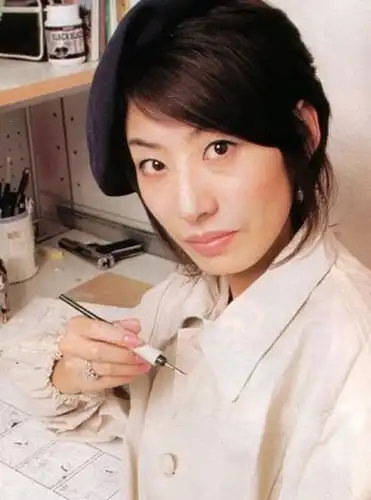
Hiromi Arakawa was born on May 8, 1973, on a dairy farm in the rural Tokachi region of Hokkaido, the artist who would become known worldwide as Hiromu Arakawa is a creator whose identity is inextricably linked to the land, community, and unyielding work ethic of her upbringing. Her biography is a compelling narrative of how lived experience, filtered through the language of manga, can forge stories with universal resonance, all while engaging in a continuous, respectful dialogue with fellow artists. Arakawa’s path to becoming one of the most influential mangaka of her generation is marked by the mentors who guided her, the peers who inspired her, and the profound impact she has had on those who followed.
Arakawa’s pre-professional life was defined by seven years of manual labor on her family farm, a period she consistently credits as her primary creative foundation. The realities of birth, life, death, and the tangible results of dedicated effort instilled in her a pragmatic, humane worldview. This perspective would become the steel skeleton beneath the skin of all her major works, insisting that true growth comes from struggle and that every action carries weight. Her artistic training, however, began in the studio of Hiroyuki Etō, the creator of Mahōjin Guru Guru. Serving as Etō’s assistant was her formal apprenticeship in the manga craft, where she learned the disciplines of storytelling, pacing, and comedic timing—skills she would later masterfully subvert and deploy in dramatic contexts.
While her farming roots are her bedrock, Arakawa’s stylistic and narrative influences are deeply rooted in manga history. The clean linework and strong, expressive character acting in her art show a clear lineage from the works of Rumiko Takahashi (Urusei Yatsura, Inuyasha), particularly in balancing large ensemble casts and blending humor with heartfelt drama. Perhaps more directly, the influence of Nobuhiro Watsuki (Rurouni Kenshin) is evident. Arakawa has openly expressed admiration for Watsuki’s skill, and her early character designs, as well as her integration of historical-esque settings with superhuman action, reflect this inspiration. Watsuki’s concept of “romanticizing” a historical period for dramatic effect can be seen echoed in Arakawa’s own world-building, whether in the militarized, early-20th-century vibe of Fullmetal Alchemist or the rustic Hokkaido-inspired setting of Silver Spoon.
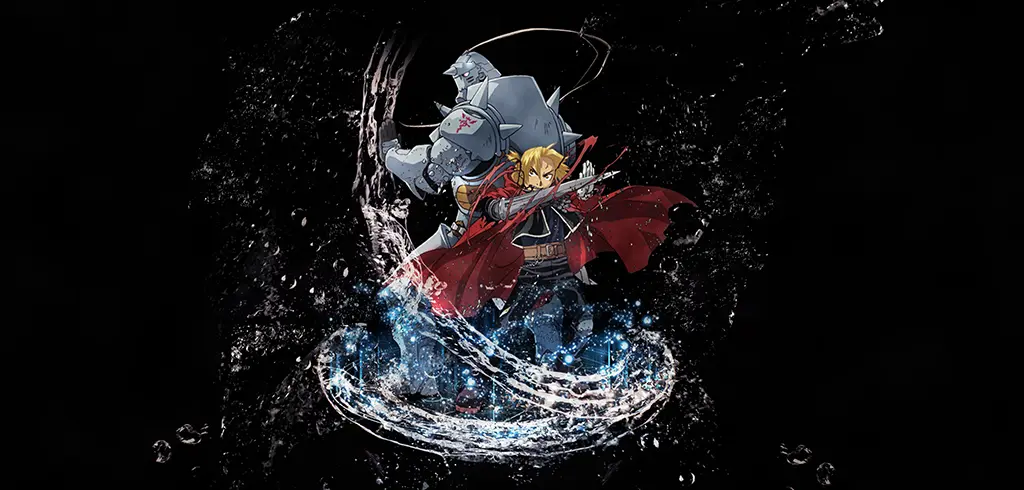
Arakawa’s monumental success came with Fullmetal Alchemist, serialized from 2001 to 2010. The tale of the Elric brothers became a global phenomenon, renowned for its impeccably plotted narrative, deeply philosophical underpinnings, and satisfying conclusion. Its influence on the manga landscape and subsequent creators is profound. Fullmetal Alchemist demonstrated that a long-form shōnen series could maintain rigorous internal logic, tackle complex themes like genocide, religious zealotry, and the ethics of scientific pursuit, and still deliver riveting action and emotional payoff. This elevated the expectations of a generation of readers and aspiring mangaka. It proved that a tightly planned story with a definitive ending could achieve greater commercial and critical success than many open-ended serials, encouraging a more novelistic approach to manga storytelling. Creators of subsequent hit series, from Yūki Tabata (Black Clover) to Hajime Isayama (Attack on Titan) in its political complexity, have operated in a landscape shaped by Arakawa’s demonstration of what the genre could achieve.
Her influence extends beyond narrative structure into the very ethos of creation. As a highly successful female mangaka in the male-centric shōnen magazine world, Arakawa paved a path by sheer example, focusing on universally compelling themes rather than gendered expectations. Furthermore, with Silver Spoon, she performed a unique alchemy of her own, transforming her specific agricultural life into acclaimed fiction. This series, in turn, influenced the slice-of-life genre by injecting it with documentary realism and societal commentary, showing that a niche setting could explore universal questions about purpose, education, and our relationship with the natural world.
Hiromu Arakawa’s career is a testament to the power of synthesis. She synthesizes the physical lessons of the farm with the narrative techniques of her mentors and peers. She synthesized the adventurous spirit of shōnen manga with the moral weight of historical reflection. In doing so, she created works that have synthesized the tastes of a global audience, offering stories where alchemy is a science, effort is sacred, and community is the ultimate redemption. Her legacy is not merely a list of publications, but a living influence—a reminder to creators that the most powerful fantasies are often built upon the solid, honest ground of real experience, and that respecting the craft’s past is essential to forging its future.
Hiromu Arakawa – Bibliography
- Fullmetal Alchemist (Hagane no Renkinjutsushi) (2001–2010)
- Publisher: Square Enix, Monthly Shōnen Gangan
- Arakawa’s most famous work, a dark fantasy about brothers Edward and Alphonse Elric who use alchemy to try to resurrect their mother. Explores themes of sacrifice, ethics, and the human condition. Collected in 27 volumes.
- Silver Spoon (Gin no Saji) (2011–2019)
- Publisher: Shogakukan, Weekly Shōnen Sunday
- A slice-of-life/comedy about Yugo Hachiken attending an agricultural high school. Deals with farming, friendship, and personal growth. Collected in 15 volumes.
- Hero Tales (Jūshin Enbu) (2006–2008)
- Publisher: Square Enix, Monthly Shōnen Gangan
- Story by Hiromu Arakawa, art collaboration with Studio Flag. A fantasy/action manga inspired by Chinese mythology, spanning 5 volumes.
- The Heroic Legend of Arslan (Manga adaptation) (Arslan Senki) (2013–2016)
- Publisher: Kodansha, Bessatsu Shōnen Magazine
- Illustration by Hiromu Arakawa, story adapted from Yoshiki Tanaka’s novels. A historical fantasy set in a fictional Persian-inspired kingdom. 13 volumes.
- Other Early Works and One-Shots
- Stray Dog (1999, one-shot in Monthly Shōnen Gangan)
- Raiden-18 (1999, one-shot)
- Hero Tales prototype stories and short works in Monthly Shōnen Gangan