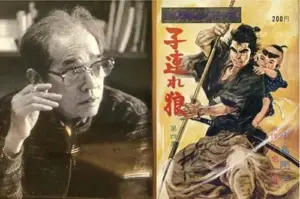
Nobuhiro Watsuki: The Mentor Behind an Era and a Legacy of Contradiction
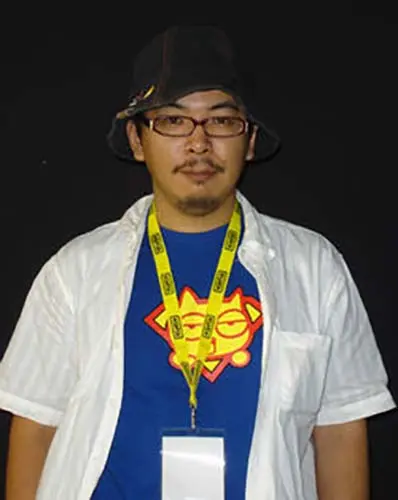
Nobuhiro Watsuki, born on May 26, 1970, in Tokyo, Japan, is a figure whose legacy in the manga world is woven from threads of profound influence, artistic brilliance, and profound personal scandal. His career trajectory uniquely positioned him as both a seminal creator of the 1990s and a pivotal mentor to a generation of artists who would define the next era of Weekly Shōnen Jump. Watsuki’s path was forged in the crucible of fandom and apprenticeship. A lifelong devotee of anime and manga, particularly the works of Akira Toriyama (Dragon Ball) and Rumiko Takahashi (Urusei Yatsura, Ranma ½), he began his professional life not as a debutante, but as an assistant to the acclaimed Takeshi Obata on the horror-comedy Chikarabito Densetsu. This role was a critical education, but his time as an assistant would soon become his greatest contribution to the industry’s future.
Before finding his own breakout success, Watsuki established a legendary “dojo” of sorts. His small studio became a training ground for an astonishing roster of future stars. Most notably, he mentored Eiichiro Oda, who would later create One Piece. From Watsuki, Oda absorbed crucial lessons in work ethic, panel layout, and the mechanics of serialization. Similarly, Hiroyuki Takei (Shaman King) served as Watsuki’s chief assistant, refining his own distinctive art style under his guidance. This role as a teacher and incubator of talent cemented Watsuki’s foundational influence; the DNA of his artistic discipline and shōnen sensibilities can be traced directly into two of Jump’s flagship titles of the 2000s.
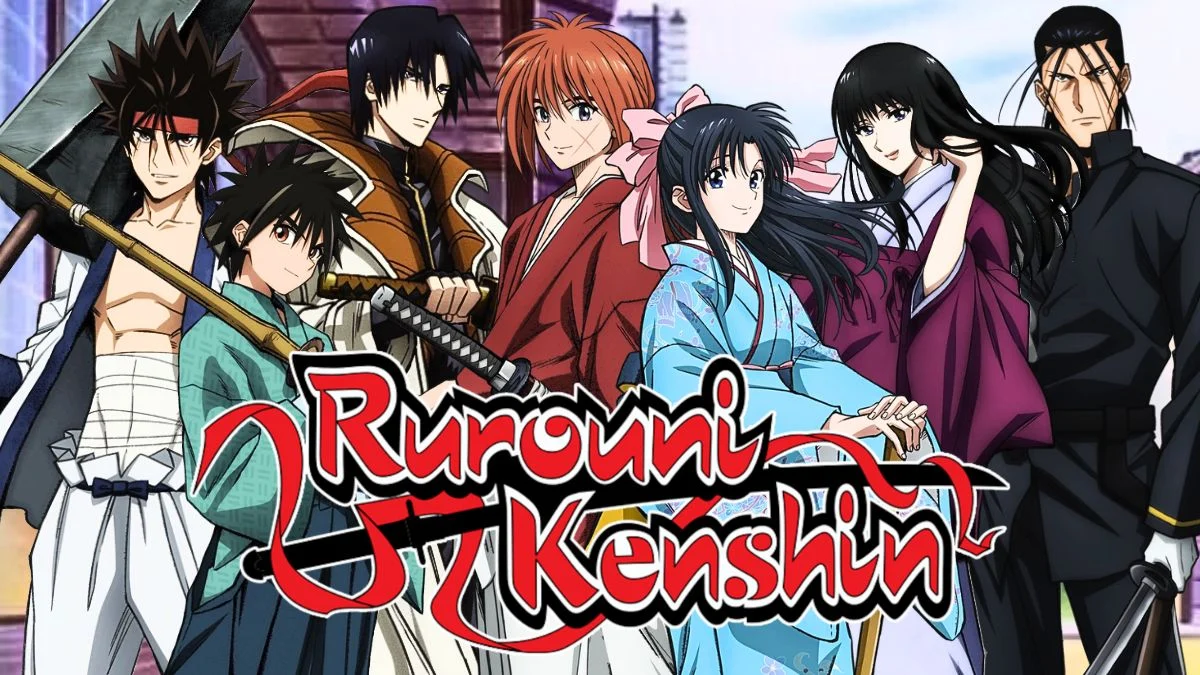
Watsuki’s own masterpiece, Rurouni Kenshin: Meiji Swordsman Romantic Story, serialized from 1994 to 1999, catapulted him to superstardom. Set in the early Meiji era, it followed the journey of Himura Kenshin, a former legendary assassin (hitokiri) who has sworn a vow never to kill again, carrying a reverse-blade sword (sakabatō). The series was a perfect alchemy of elements: meticulously researched historical backdrop, dazzlingly kinetic sword-fight choreography inspired by samurai cinema, and a deeply compelling central character whose pacifist philosophy was constantly tested by his violent past. Kenshin masterfully balanced lighthearted comedy, heartfelt romance, and some of the most intense, emotionally charged arcs in shōnen history, particularly the beloved “Kyoto Arc.” It became a global phenomenon through its anime adaptation, defining the “romantic past” genre for a generation and selling tens of millions of copies worldwide.
Watsuki’s influence on other mangaka extends beyond his direct protégés. His successful integration of authentic historical setting with supernatural-tinged martial arts paved the way for series like Masashi Kishimoto’s Naruto, which similarly blended a historical-feudal aesthetic with modern shōnen battles. The trope of the lethally skilled protagonist burdened by a dark past and constrained by a self-imposed code (like not killing) became a widespread archetype. Furthermore, his detailed, flowing line work and dynamic page compositions, which made fight scenes feel both elegant and explosive, raised the artistic bar for action manga in the post-Dragon Ball landscape.
However, Watsuki’s legacy is irrevocably complicated by a grave personal transgression. In 2017, he was arrested and later convicted for possession of child pornography. He received a suspended fine, and while he issued a public apology, the incident caused profound shock and disappointment. Shueisha suspended the serialization of his Kenshin sequel, The Hokkaido Arc, which later resumed with author’s notes expressing remorse. This event created an immense and ongoing tension between the artistic merit and cultural impact of his work and the moral failure of the creator.
Thus, the biography of Nobuhiro Watsuki is one of stark duality. He stands as a master craftsman whose work inspired millions and as a dedicated sensei who helped shape the creative voices behind One Piece and Shaman King. His creation, Himura Kenshin, remains an iconic and enduring symbol of redemption and romance. Yet, his personal actions cast a long, dark shadow over that legacy. In the annals of manga history, he is remembered both for the dazzling, influential world he built and for the profound real-world breach of trust that forever altered how that world is viewed. His story serves as a complex, sobering chapter on the separation—or inextricable linking—of the artist from the art.
Nobuhiro Watsuki – Bibliography
- Teacher Pon (one-shot) (1986)
- An early gag manga work by Watsuki, published in a Japanese magazine, showcasing his initial style and humor.
- Cameo appearances / Short Works (1980s–1990s)
- Several one-shot and short manga published in Shonen Jump and other Shueisha magazines, including early explorations of school life and samurai-themed stories.
- Rurouni Kenshin: Meiji Swordsman Romantic Story (Rurouni Kenshin: Meiji Kenkaku Romantan) (1994–1999)
- Publisher: Shueisha, Weekly Shōnen Jump
- Watsuki’s most famous work, a historical action-romance series set in the early Meiji period. Follows the former assassin Himura Kenshin as he seeks redemption. 28 volumes.
- Rurouni Kenshin: Restoration / Hokkaido Arc (2012–2021)
- Publisher: Shueisha, Jump SQ / Jump SQ.19
- A continuation and spin-off of the original series, expanding on Kenshin’s later life and adventures. Collected in 5 volumes (Restoration) and ongoing Hokkaido Arc with 5+ volumes.
- Buso Renkin (2003–2005)
- Publisher: Shueisha, Weekly Shōnen Jump
- A supernatural action series about alchemy-based weapons and heroic battles. 10 volumes.
- Other One-Shots and Early Works
- Kappaman (1989, short comedy series)
- Kowloon (1991, action short)
These works show Watsuki’s experimentation with action, humor, and historical motifs before Rurouni Kenshin.