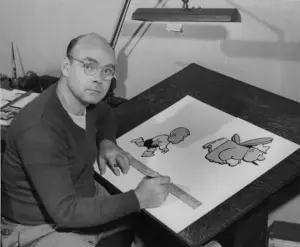
Masashi Kishimoto: The Untold Story of the Naruto Creator’s Journey
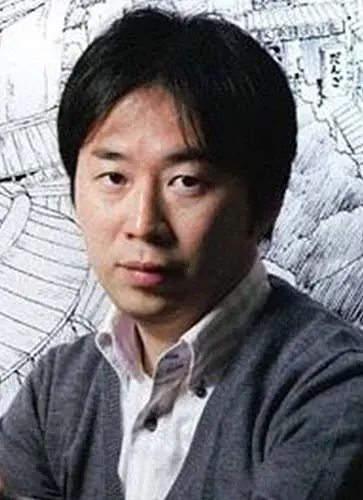
Masashi Kishimoto’s journey from a shy boy in rural Japan to the creator of one of the world’s most recognizable manga series is a testament to perseverance, passion, and the profound influence of artistic exchange. Born on November 8, 1974, in Okayama Prefecture, Kishimoto’s early life was shaped by a competitive yet supportive relationship with his identical twin brother, Seishi. This sibling dynamic became a foundational element of his future work. Their shared love for drawing was ignited by the anime film Akira, whose detailed art style young Masashi attempted to copy obsessively, and the manga Dragon Ball by Akira Toriyama, which became a permanent north star for its dynamic storytelling and charismatic characters.
Kishimoto’s path was not immediate. After studying at Kyushu Sangyo University with hopes of becoming a manga artist, he faced years of rejection. His early one-shots, like Karakuri (which won him the Hop Step Award in 1996), showed promise but no breakthrough. It was during this period of struggle that other influences crystallized. The American films he loved, particularly Quentin Tarantino’s Pulp Fiction and the Star Wars saga, impressed upon him the importance of cool, compelling characters and grand, generational narratives. The aesthetics of The Matrix would later echo in the high-speed, choreographed fight scenes of Naruto. Furthermore, he drew inspiration from fellow manga artists, notably Katsuhiro Otomo (Akira) for cinematic scope and technical detail, and Hiroaki Samura (Blade of the Immortal) for intricate line work.
In 1999, after numerous revisions and a pilot chapter, Naruto serialized in Weekly Shōnen Jump. The series, following the journey of an ostracized, hyperactive ninja named Naruto Uzumaki, struck a universal chord. Its themes of loneliness, the struggle for recognition, and the unwavering belief in friendship and perseverance resonated deeply with a global audience. Kishimoto’s genius lay in synthesizing his influences into a uniquely cohesive world. The traditional Japanese ninja folklore was blended with a modern sensibility and a shōnen manga structure, creating a vast tapestry of complex characters, each with their own traumatic past and philosophical drive. The series’ emotional depth was often rooted in cycles of hatred and the possibility of breaking them, themes that gave the action-weight and maturity.
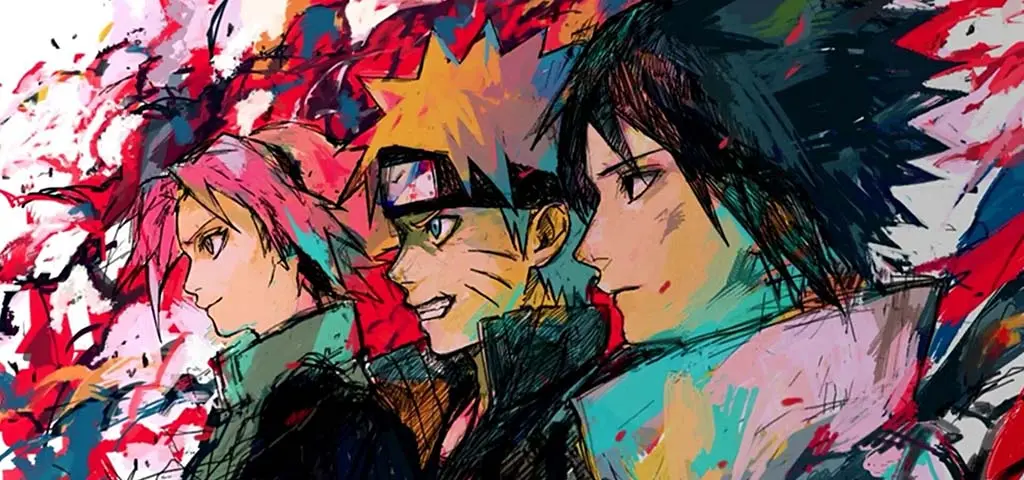
Kishimoto’s influence on others is immense and multi-generational. Within the manga industry, he, alongside contemporaries like Eiichiro Oda (One Piece) and Tite Kubo (Bleach), defined the “Big Three” era of Shōnen Jump in the 2000s, drawing millions of new readers worldwide. A generation of manga artists who grew up reading Naruto now cite it as a primary inspiration. This is evident in works like My Hero Academia by Kōhei Horikoshi, which mirrors Naruto’s focus on an underdog protagonist in a professional superhero (ninja) school system, and Black Clover by Yūki Tabata, with its similar core dynamic and relentless hero. His detailed world-building and the concept of a tightly interconnected power system (chakra and jutsu) became a new benchmark for battle shōnen.
Following Naruto’s conclusion, Kishimoto initially stepped back, supervising the sequel series Boruto: Naruto Next Generations before surprising the manga world by taking over as writer in 2023. Prior to this, he ventured into a new genre with the short sci-fi samurai series Samurai 8: The Tale of Hachimaru (2019-2020), demonstrating his continued desire to blend traditional Japanese iconography with futuristic concepts, though it did not achieve the success of his seminal work.
Beyond manga, Naruto’s cultural impact is staggering. It fueled the global anime boom of the 2000s and 2010s, creating a gateway for Western audiences into Japanese pop culture. Its philosophy of “hard work over natural talent” (embodied by characters like Rock Lee) and “never giving up” (Naruto’s nindo, or ninja way) became motivational mantras for fans. The series also influenced game design, particularly in the realm of fighting games and JRPGs, with its combination of hand-to-hand combat, elemental abilities, and transformative states.
Kishimoto’s relationship with his brother Seishi, also a manga artist, remained a unique facet of his career. Their friendly rivalry pushed them both, with Seishi creating series like O-Parts Hunter and Blazer Drive. While Masashi achieved monumental success, he always acknowledged this bond as a creative engine. After concluding Naruto in 2014 after 15 years, Kishimoto took a supervisory role in the sequel Boruto: Naruto Next Generations, initially authored by his assistant Mikio Ikemoto and scripted by Ukyō Kodachi, before eventually taking over the writing duties himself. He also authored a celebrated one-shot sci-fi samurai manga, Mario, in 2023, demonstrating his desire to explore new genres.
Masashi Kishimoto’s legacy is that of a world-builder who codified the rules of a new kind of fantasy. He took the ninja from historical assassin to a modern superhero, wrapping universal struggles for acceptance and peace in a compelling package of explosive action and intricate mythology. By creating a world as detailed in its emotional conflicts as in its tactical battles, he inspired a wave of creators to build their own elaborate universes with complex character dynamics. In the pantheon of manga greats, Kishimoto is the Hokage of heartfelt, generation-defining epics, having taught a global audience that the greatest power often lies not in a devastating jutsu, but in the unbreakable bonds of perseverance and understanding.
Masashi Kishimoto – Bibliography
- Karakuri (one-shot) (1995)
- Publisher: Shueisha, Weekly Shōnen Jump
- Kishimoto’s debut one-shot, which earned him the Hop Step Award and led to his professional career.
- Naruto (1999–2014)
- Publisher: Shueisha, Weekly Shōnen Jump
- Kishimoto’s defining work and one of the most successful manga series of all time. Follows Naruto Uzumaki, a young ninja seeking recognition and peace. Known for its expansive world-building, long-form character arcs, and emotional theme. 72 volumes.
- Naruto: The Seventh Hokage and the Scarlet Spring (2015)
- Publisher: Shueisha
- A short sequel mini-series set after the events of Naruto, focusing on the next generation.
- Boruto: Naruto Next Generations (2016–2023)
- Publisher: Shueisha, Weekly Shōnen Jump / V Jump
- Original concept and story supervision by Masashi Kishimoto; illustrated by Mikio Ikemoto. Centers on Naruto’s son, Boruto, and the new generation of ninja. 20 volumes.
- Samurai 8: The Tale of Hachimaru (2019–2020)
- Publisher: Shueisha, Weekly Shōnen Jump
- Story by Masashi Kishimoto, art by Akira Ōkubo. A sci-fi samurai adventure blending traditional Japanese motifs with futuristic settings. 5 volumes.