Rumiko Takahashi: The Indomitable Princess of Manga
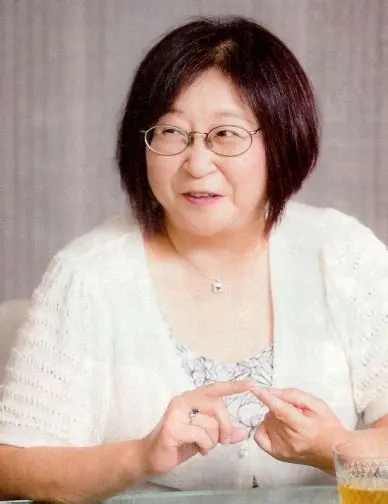
Born in Niigata, Japan, on October 10, 1957, Rumiko Takahashi ascended from a literature student with a dream to become the best-selling female comics artist in the world, a title she has held for decades. Her biography is a testament to prolific creativity, genre-defining storytelling, and an influence so vast that it quietly built the framework for much of modern manga and anime. With a career launched in the late 1970s and still thriving today, Takahashi’s work is a masterclass in balancing the outlandish with the intimately human, a skill that has inspired and shaped generations of storytellers who followed.
Takahashi’s artistic foundation was forged under a demanding mentor. While attending Japan Women’s University, she enrolled in the Gekiga Sonjuku, a manga workshop run by the legendary Kazuo Koike, the co-creator of Lone Wolf and Cub. Koike was a strict teacher who emphasized storytelling fundamentals above all: compelling characters, logical panel progression, and relentless pacing. This rigorous training provided the disciplined skeleton for Takahashi’s wildly imaginative ideas, teaching her how to sustain long-form narratives—a skill that would become her hallmark. Her early influences also included the horror of Kazuo Umezu and the absurdist comedy of Fujio Akatsuka, elements she would expertly fuse in her own unique style.
Her professional debut came in 1978, but it was the instant success of Urusei Yatsura that same year that announced a new creative force. This series, a chaotic romantic comedy about a luckless human boy and a tempestuous alien princess, established the quintessential Takahashi blueprint: a high-concept premise serving as a playground for eccentric, deeply relatable characters, all wrapped in a seamless blend of slapstick, heartfelt emotion, and supernatural intrigue. She then demonstrated breathtaking range by creating the grounded, tender romantic drama Maison Ikkoku, a series that remains a gold standard for the genre. This was followed by the martial-arts farce Ranma ½ and the feudal fantasy epic Inuyasha, each a monumental hit that conquered different demographics and solidified her international fame. Through them all, her genius for managing large ensemble casts and weaving complex, long-running romantic tensions kept millions of readers devoted for years, even decades.
Rumiko Takahashi’s influence on the manga landscape is both foundational and pervasive. She is a bridge between classic manga storytelling and the modern era, and her impact can be traced through several critical avenues. First, her mastery of genre hybridity—mixing romance, comedy, action, horror, and slice-of-life in a single narrative—demonstrated the commercial and artistic power of crossover appeal. This blueprint directly paved the way for future genre-bending hits. Creators like Hiromu Arakawa (Fullmetal Alchemist) have explicitly cited Takahashi’s influence, noting her impact on character design, comedic timing, and the ability to balance humor with serious thematic weight. Similarly, the works of Kōhei Horikoshi (My Hero Academia), with its large casts and shifting tones between school-life comedy and high-stakes action, operates within a framework Takahashi helped popularize.
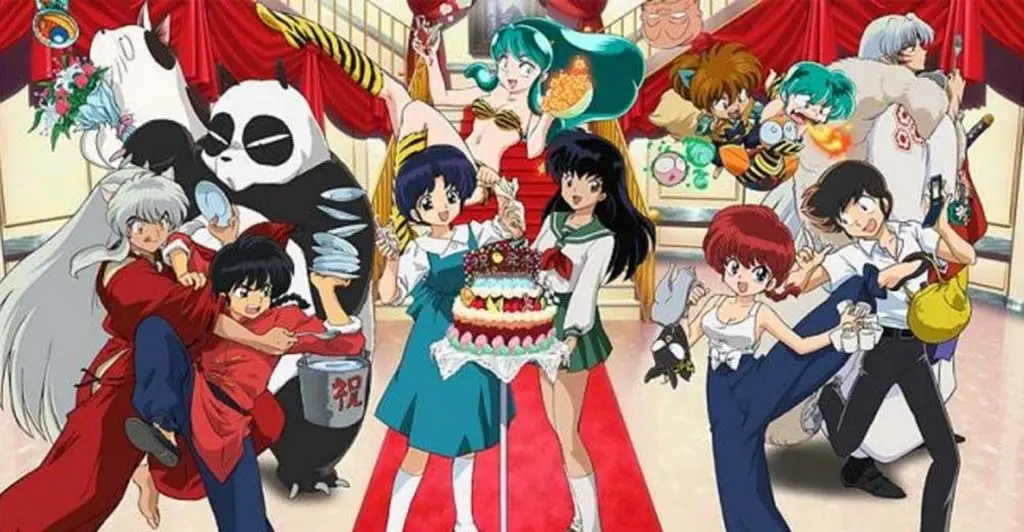
Second, her specific character archetypes and relationship dynamics became a template. The “will-they-won’t-they” romantic tension, often centered on a flawed, often insensitive male lead and a strong-willed, capable female lead, surrounded by a constellation of rival suitors, defined a generation of storytelling. Echoes of this dynamic can be seen in series as diverse as Masashi Kishimoto’s Naruto and even in the romantic subplots of countless shonen series that followed. Furthermore, her unprecedented success as a woman creating mega-hits for weekly shōnen magazines (a fiercely male-dominated arena) shattered ceilings. She proved that universal stories transcend gender, inspiring legions of female artists to enter the industry and pursue their own serials. Her reported early encouragement of a young Eiichiro Oda (creator of One Piece) also hints at her role as an informal guide to the next generation of manga titans.
Even now, with her ongoing series MAO, Takahashi continues to refine her craft, blending mystery, romance, and historical fantasy. Her legacy is not merely a catalogue of iconic titles but a living influence on the language of manga itself. She absorbed the narrative rigor of Koike, the chills of Umezu, and the laughs of Akatsuka, and synthesized them into an accessible, endlessly inventive style that resonated globally. In doing so, Rumiko Takahashi became more than a creator; she became an institution. Her work taught an industry how to build worlds that feel like home, no matter how many ghosts, aliens, or dog-demons might be at the dinner table, and in the process, she inspired the creators who would eventually sit at that table beside her.
Rumiko Takahashi – Bibliography
- Urusei Yatsura (1978–1987)
- Publisher: Shogakukan, Weekly Shōnen Sunday
- A romantic comedy/sci-fi series about the alien Lum and her chaotic interactions with high school student Ataru Moroboshi. Ran for 34 volumes.
- Maison Ikkoku (1980–1987)
- Publisher: Shogakukan, Big Comic Spirits / Weekly Shōnen Sunday
- A romantic comedy/drama about the residents of a boarding house and the developing relationship between the widowed Kyoko and the hapless student Yusaku. 15 volumes.
- Ranma ½ (1987–1996)
- Publisher: Shogakukan, Weekly Shōnen Sunday
- A martial arts comedy about Ranma Saotome, who transforms into a girl when splashed with cold water. Known for its humor, romance, and inventive fight sequences. 38 volumes.
- Inuyasha (1996–2008)
- Publisher: Shogakukan, Weekly Shōnen Sunday
- A historical fantasy adventure about Kagome Higurashi, a modern-day girl who travels back in time to the Sengoku period, meeting the half-demon Inuyasha. 56 volumes.
- Rin-ne (Kyōkai no Rinne) (2009–2017)
- Publisher: Shogakukan, Weekly Shōnen Sunday
- A supernatural comedy about Sakura Mamiya and Rinne Rokudo, a boy who guides spirits to the afterlife. 40 volumes.
- One-Pound Gospel (1987–2007, irregular serialization)
- Publisher: Shogakukan
- A boxing-themed romantic comedy about a young boxer and a nun, notable for its humor and heartwarming storytelling. Collected in 4 volumes.
- Mermaid Saga (1984–1994)
- Publisher: Shogakukan
- A dark fantasy/horror series exploring immortality and mermaid myths. 7 volumes.
- Notable Early One-Shots
- Kattena Yatsura (1978)
- Tenshi no Tamago (1980s)
- Fire Tripper (1980s)
These one-shots appeared in various Shogakukan magazines and often served as the foundation for her longer works.