The Lone Wolf and His Progenitor: Kazuo Koike, Master of the Manga Epic
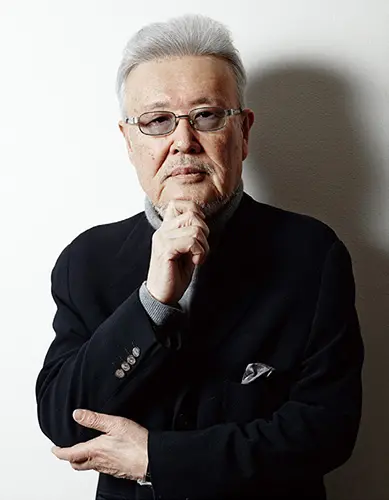
In the pantheon of manga creators, few figures loom as large or cast as long a shadow as Kazuo Koike. His name is synonymous not with whimsical adventures or sci-fi fantasies, but with a uniquely brutal, philosophical, and meticulously researched form of adult storytelling that forever expanded the boundaries of the medium. More than just a writer, Koike was a sensei in the truest sense—a professor of pathos, a cartographer of the criminal underworld, and a revolutionary who forged legends in ink and blood.
Born in 1936 in Daisen, Akita, Koike’s path to manga greatness was unorthodox. He initially pursued a career in screenwriting, graduating from Chiba University’s Department of Literature. This cinematic training would become the bedrock of his style. He didn’t just write comics; he composed visual novels with the pacing of a Kurosawa film, the moral complexity of a noir, and the dramatic tension of a stage play. Before finding his true calling, he even dabbled in rakugo (comic storytelling) and stand-up comedy, experiences that honed his ear for dialogue and timing.
Koike’s destiny, however, was to be realized in partnership. In 1968, he co-founded the magazine Weekly Manga Action, a publication dedicated to seinen (adult men’s) manga. It was here, in 1970, that he unleashed his first masterpiece in collaboration with artist Goseki Kojima: “Lone Wolf and Cub” (Kozure Ōkami).
The series was a detonation in the manga world. It told the epic saga of Ogami Ittō, the former Shogunate executioner cast into a vengeful hell, pushing his infant son Daigoro in a wooden cart through a landscape of breathtaking beauty and unspeakable violence. Koike’s genius lay in the fusion of extremes. The narratives were steeped in authentic Edo-period detail—from samurai codes and court politics to the intricacies of weapons and everyday life. Yet, within this historical rigor, he explored timeless, primal themes: the corruption of institutions, the price of loyalty, the bond between father and son, and the philosophical quest for meaning in a bloody existence. Each chapter was a self-contained kinetic poem of assassination, yet all served the relentless, novelistic drive of Ittō’s overarching quest. It was high art and pulp fiction, inseparable and undeniable.
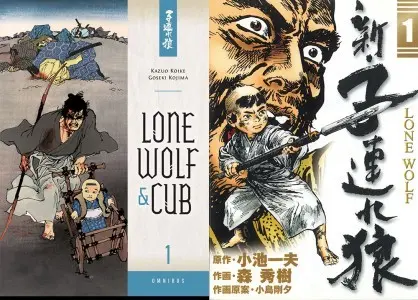
His partnership with Kojima was alchemical. Koike’s dense, literary scripts—filled with historical notes, internal monologues, and layered dialogue—were realized through Kojima’s stunning, cinematic artwork, which could shift from serene stillness to balletic, geysering violence in a single panel. Their synergy didn’t stop there. Almost concurrently, they created “Samurai Executioner“ (Kubikiri Asa), a more episodic but equally profound series exploring the life and duties of a swordsman tasked with testing new blades on condemned criminals, a narrative device Koike used to dissect the soul of Edo society.
Koike proved his versatility with other visionary artists. With Ryoichi Ikegami, he crafted “Crying Freeman”, a modern-day saga that fused the yakuza thriller with operatic romance and globe-trotting intrigue, demonstrating his ability to master contemporary crime epics. With the legendary Takao Saito (of Golgo 13 fame), he worked on “Lady Snowblood“, a tale of feminine vengeance that would famously influence Quentin Tarantino’s Kill Bill.
Beyond his own writing, Koike’s legacy is profoundly pedagogical. In 1977, he founded the Gekiga Sonjuku, a sort of “manga cram school” that was less about drawing and more about storytelling, research, and scriptwriting. His teaching philosophy was rigorous: prospective creators had to immerse themselves in their subjects, whether it was visiting locations, handling period weapons, or understanding the mechanics of a trade. From this dojo emerged a generation of manga superstars, including Rumiko Takahashi (Inuyasha, Ranma ½), Yoshihiro Togashi (Yu Yu Hakusho, Hunter x Hunter), and Tetsuo Hara (Fist of the North Star). His influence thus cascaded through the industry, shaping not just the dark, adult corner of manga but also the shōnen and shōjo worlds.
Kazuo Koike passed away in 2019, but his work remains a towering monument. He never saw manga as a lesser form. He treated it as a serious literary and cinematic canvas, demanding intellectual engagement from his readers while delivering visceral, unforgettable drama. He elevated the historical drama into a meditation on existential choice, transformed the revenge thriller into a philosophical pilgrimage, and insisted that even in the realm of cartoonish drawings, stories could bear the weight of life, death, and honor.
He was, in essence, the Shogun of scriptwriters—a strategist who plotted narratives with military precision, a sensei who schooled a generation, and a lone creator whose profound, bloody, and beautiful epics continue to walk their own path, forever pushing that iconic cart down the road of manga history.
Kazuo Koike – Bibliography
- Lone Wolf and Cub (Kozure Ōkami) (1970–1976)
- Illustrator: Goseki Kojima
- Publisher: Shogakukan, Weekly Manga Action
- A historical samurai epic following Ogami Ittō, a disgraced executioner turned assassin, and his young son Daigoro. Known for its mature storytelling, moral complexity, and detailed depictions of Edo-period Japan. 28 volumes.
- Lady Snowblood (Shurayukihime) (1972–1973)
- Illustrator: Kazuo Kamimura
- Publisher: Shueisha, Weekly Playboy
- A revenge story of a female assassin in Meiji-era Japan. Celebrated for its stylish artwork and dark, poetic narrative. 5 volumes.
- Hanzo the Razor (Onihei Hankachō adaptations / spin-offs) (1972–1974)
- Illustrator: Goseki Kojima / other artists
- Publisher: Shogakukan / Weekly Manga Action Series of historical samurai stories based on films and novels, highlighting Koike’s knack for crime, justice, and dramatic storytelling.
- Samurai Executioner (Kubikiri Asa / Asa no Shinigami) (1972–1976)
- Illustrator: Goseki Kojima
- Publisher: Shogakukan, Weekly Manga Action
- Focused on the life of a professional executioner in Edo-period Japan, blending historical detail, philosophy, and suspense. 10 volumes.
- Crying Freeman (Rōnin no Shōnen) (1986–1991)
- Illustrator: Ryoichi Ikegami
- Publisher: Shogakukan, Weekly Young Sunday / Big Comic Spirits
- A contemporary action/crime series about an assassin who sheds tears for every victim he kills, combining intense action, adult themes, and detailed realism. 12 volumes.
- Illustrator: Ryoichi Ikegami
- Other Notable Works
- Kozure Ōkami Gaiden (spin-offs of Lone Wolf and Cub)
- Path of the Assassin (Hanzō no Mon)
- Shogun’s Shadow (Shogun no Kage)
Koike frequently explored historical, samurai, and revenge-themed narratives, often paired with artists like Goseki Kojima or Ryoichi Ikegami.