The Unfinished Masterpiece: Kay Nielsen’s Arabian Nights
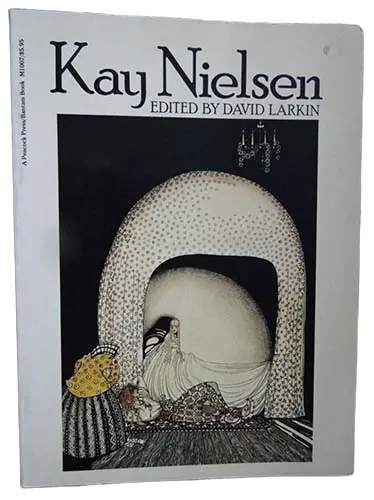
There is a particular poignancy in encountering an artist’s unfinished work—a glimpse of what might have been, a vision left incomplete yet still radiant with genius. Kay Nielsen’s illustrations for The Arabian Nights represent such a moment. Commissioned in the early 1940s, late in the Danish artist’s career, these images stand as a testament to an enduring creative spirit, a final flowering of a talent that had first dazzled the world three decades earlier with In Powder and Crinoline and East of the Sun, West of the Moon.
By the time Nielsen received the commission for The Arabian Nights, his career had taken unexpected turns. The Golden Age of Illustration, which had flourished in the first two decades of the century, had given way to changing tastes and economic hardship. Nielsen had worked in theater design, created murals, and even spent time in Hollywood, contributing concept art for Walt Disney’s Fantasia. Yet the call to illustrate the tales of Scheherazade—those stories of magic lamps, flying carpets, and voyages to distant lands—seemed to awaken something essential in him, a return to the enchanted realms where his imagination had always thrived.
The commission came from the Limited Editions Club of New York, a prestigious publisher known for producing fine press books for discerning collectors. Nielsen threw himself into the project with characteristic intensity, producing a series of watercolor illustrations that rank among the most extraordinary of his career. Yet fate intervened. The project was delayed, and Nielsen’s health began to decline. Though he completed a substantial body of work—including approximately twenty-five finished color plates and numerous black-and-white drawings—the full edition envisioned was never realized in his lifetime. The illustrations remained unpublished for decades, known only to collectors and scholars who recognized their significance.
What survives of Nielsen’s Arabian Nights is breathtaking. The images reveal an artist who, even in his later years, had lost none of his mastery. If anything, his style had evolved, growing richer and more complex. The sinuous lines of his early work remained, but they were now infused with a deeper, more saturated palette—jewel tones of ruby and sapphire, burnished golds, deep purples, and luminous emeralds. The influence of Persian miniatures, always present in his work, became more pronounced, evident in the intricate patterning, the flattened perspectives, and the decorative borders that frame many of the compositions.
Nielsen’s figures in these illustrations possess a monumental quality. The sultans, princesses, and genies that populate his Arabian Nights are rendered with a grandeur that befits their legendary status. Yet there remains in these images the same emotional subtlety that distinguished his earlier work—a sense of longing, of mystery, of worlds glimpsed through a veil of enchantment. His rendering of Scheherazade herself, the storyteller whose words hold death at bay, is particularly poignant. She appears as a figure of quiet strength and deep wisdom, her eyes holding secrets within secrets.
Among the most celebrated of these late illustrations is the depiction of Sinbad the Sailor encountering the Roc, a scene of extraordinary scale and drama. The great bird dominates the composition, its wings spanning the page, while Sinbad stands small and vulnerable below. Another notable image captures Aladdin in the cave of wonders, surrounded by the treasures of a lost world, the moment suspended between fear and discovery.
The story of Nielsen’s Arabian Nights does not end with his death in 1957. For decades, the illustrations remained in private collections, known to connoisseurs but hidden from the broader public. It was not until the late twentieth century that a concerted effort was made to bring them to light. The surviving watercolors and drawings were gathered, studied, and eventually published, allowing a new generation to discover the final chapter of Nielsen’s artistic journey.
Today, these illustrations stand as a powerful reminder of the fragility and resilience of artistic vision. Though the complete edition Nielsen envisioned was never realized, what remains is extraordinary—a testament to an artist who, even in the twilight of his career, could still summon worlds of wonder from brush and paint. Kay Nielsen’s Arabian Nights is not merely an unfinished book; it is a gift, a final glimpse into an imagination that never ceased to enchant.
For collectors of this edition, these companion works may fascinate:
• Arabian Nights (1907) illustrated by Edmund Dulac – for a beautiful rendition
• Arabian Nights (1912) illustrated by Rene Bull – another great interpretation
Art Gallery: Kay Nielsen – The Arabian Nights 1976
![Kay Nielsen -Arabian Nights [nielsen-arabian01] (art, illustrations)](https://www.nocloo.com/wp-content/plugins/justified-image-grid/timthumb.php?src=https%3A%2F%2Fwww.nocloo.com%2Fart%2Fnielsen-arabian%2Fnielsen-arabian01.jpg&h=280&q=90&f=.jpg)
![Kay Nielsen -Arabian Nights [nielsen-arabian02] (art, illustrations)](https://www.nocloo.com/wp-content/plugins/justified-image-grid/timthumb.php?src=https%3A%2F%2Fwww.nocloo.com%2Fart%2Fnielsen-arabian%2Fnielsen-arabian02.jpg&h=280&q=90&f=.jpg)
![Kay Nielsen -Arabian Nights [nielsen-arabian03] (art, illustrations)](https://www.nocloo.com/wp-content/plugins/justified-image-grid/timthumb.php?src=https%3A%2F%2Fwww.nocloo.com%2Fart%2Fnielsen-arabian%2Fnielsen-arabian03.jpg&h=280&q=90&f=.jpg)
![Kay Nielsen -Arabian Nights [nielsen-arabian04] (art, illustrations)](https://www.nocloo.com/wp-content/plugins/justified-image-grid/timthumb.php?src=https%3A%2F%2Fwww.nocloo.com%2Fart%2Fnielsen-arabian%2Fnielsen-arabian04.jpg&h=280&q=90&f=.jpg)
![Kay Nielsen -Arabian Nights [nielsen-arabian05] (art, illustrations)](https://www.nocloo.com/wp-content/plugins/justified-image-grid/timthumb.php?src=https%3A%2F%2Fwww.nocloo.com%2Fart%2Fnielsen-arabian%2Fnielsen-arabian05.jpg&h=280&q=90&f=.jpg)
![Kay Nielsen -Arabian Nights [nielsen-arabian06] (art, illustrations)](https://www.nocloo.com/wp-content/plugins/justified-image-grid/timthumb.php?src=https%3A%2F%2Fwww.nocloo.com%2Fart%2Fnielsen-arabian%2Fnielsen-arabian06.jpg&h=280&q=90&f=.jpg)
![Kay Nielsen -Arabian Nights [nielsen-arabian07] (art, illustrations)](https://www.nocloo.com/wp-content/plugins/justified-image-grid/timthumb.php?src=https%3A%2F%2Fwww.nocloo.com%2Fart%2Fnielsen-arabian%2Fnielsen-arabian07.jpg&h=280&q=90&f=.jpg)
![Kay Nielsen -Arabian Nights [nielsen-arabian08] (art, illustrations)](https://www.nocloo.com/wp-content/plugins/justified-image-grid/timthumb.php?src=https%3A%2F%2Fwww.nocloo.com%2Fart%2Fnielsen-arabian%2Fnielsen-arabian08.jpg&h=280&q=90&f=.jpg)
![Kay Nielsen -Arabian Nights [nielsen-arabian09] (art, illustrations)](https://www.nocloo.com/wp-content/plugins/justified-image-grid/timthumb.php?src=https%3A%2F%2Fwww.nocloo.com%2Fart%2Fnielsen-arabian%2Fnielsen-arabian09.jpg&h=280&q=90&f=.jpg)
![Kay Nielsen -Arabian Nights [nielsen-arabian10] (art, illustrations)](https://www.nocloo.com/wp-content/plugins/justified-image-grid/timthumb.php?src=https%3A%2F%2Fwww.nocloo.com%2Fart%2Fnielsen-arabian%2Fnielsen-arabian10.jpg&h=280&q=90&f=.jpg)
![Kay Nielsen -Arabian Nights [nielsen-arabian11] (art, illustrations)](https://www.nocloo.com/wp-content/plugins/justified-image-grid/timthumb.php?src=https%3A%2F%2Fwww.nocloo.com%2Fart%2Fnielsen-arabian%2Fnielsen-arabian11.jpg&h=280&q=90&f=.jpg)
![Kay Nielsen -Arabian Nights [nielsen-arabian12] (art, illustrations)](https://www.nocloo.com/wp-content/plugins/justified-image-grid/timthumb.php?src=https%3A%2F%2Fwww.nocloo.com%2Fart%2Fnielsen-arabian%2Fnielsen-arabian12.jpg&h=280&q=90&f=.jpg)
![Kay Nielsen -Arabian Nights [nielsen-arabian13] (art, illustrations)](https://www.nocloo.com/wp-content/plugins/justified-image-grid/timthumb.php?src=https%3A%2F%2Fwww.nocloo.com%2Fart%2Fnielsen-arabian%2Fnielsen-arabian13.jpg&h=280&q=90&f=.jpg)
![Kay Nielsen -Arabian Nights [nielsen-arabian14] (art, illustrations)](https://www.nocloo.com/wp-content/plugins/justified-image-grid/timthumb.php?src=https%3A%2F%2Fwww.nocloo.com%2Fart%2Fnielsen-arabian%2Fnielsen-arabian14.jpg&h=280&q=90&f=.jpg)
![Kay Nielsen -Arabian Nights [nielsen-arabian15] (art, illustrations)](https://www.nocloo.com/wp-content/plugins/justified-image-grid/timthumb.php?src=https%3A%2F%2Fwww.nocloo.com%2Fart%2Fnielsen-arabian%2Fnielsen-arabian15.jpg&h=280&q=90&f=.jpg)
![Kay Nielsen -Arabian Nights [nielsen-arabian16] (art, illustrations)](https://www.nocloo.com/wp-content/plugins/justified-image-grid/timthumb.php?src=https%3A%2F%2Fwww.nocloo.com%2Fart%2Fnielsen-arabian%2Fnielsen-arabian16.jpg&h=280&q=90&f=.jpg)
![Kay Nielsen -Arabian Nights [nielsen-arabian17] (art, illustrations)](https://www.nocloo.com/wp-content/plugins/justified-image-grid/timthumb.php?src=https%3A%2F%2Fwww.nocloo.com%2Fart%2Fnielsen-arabian%2Fnielsen-arabian17.jpg&h=280&q=90&f=.jpg)
![Kay Nielsen -Arabian Nights [nielsen-arabian18] (art, illustrations)](https://www.nocloo.com/wp-content/plugins/justified-image-grid/timthumb.php?src=https%3A%2F%2Fwww.nocloo.com%2Fart%2Fnielsen-arabian%2Fnielsen-arabian18.jpg&h=280&q=90&f=.jpg)
![Kay Nielsen -Arabian Nights [nielsen-arabian19] (art, illustrations)](https://www.nocloo.com/wp-content/plugins/justified-image-grid/timthumb.php?src=https%3A%2F%2Fwww.nocloo.com%2Fart%2Fnielsen-arabian%2Fnielsen-arabian19.jpg&h=280&q=90&f=.jpg)
![Kay Nielsen -Arabian Nights [nielsen-arabian20] (art, illustrations)](https://www.nocloo.com/wp-content/plugins/justified-image-grid/timthumb.php?src=https%3A%2F%2Fwww.nocloo.com%2Fart%2Fnielsen-arabian%2Fnielsen-arabian20.jpg&h=280&q=90&f=.jpg)
![Kay Nielsen -Arabian Nights [nielsen-arabian21] (art, illustrations)](https://www.nocloo.com/wp-content/plugins/justified-image-grid/timthumb.php?src=https%3A%2F%2Fwww.nocloo.com%2Fart%2Fnielsen-arabian%2Fnielsen-arabian21.jpg&h=280&q=90&f=.jpg)
![Kay Nielsen -Arabian Nights [nielsen-arabian22] (art, illustrations)](https://www.nocloo.com/wp-content/plugins/justified-image-grid/timthumb.php?src=https%3A%2F%2Fwww.nocloo.com%2Fart%2Fnielsen-arabian%2Fnielsen-arabian22.jpg&h=280&q=90&f=.jpg)
![Kay Nielsen -Arabian Nights [nielsen-arabian23] (art, illustrations)](https://www.nocloo.com/wp-content/plugins/justified-image-grid/timthumb.php?src=https%3A%2F%2Fwww.nocloo.com%2Fart%2Fnielsen-arabian%2Fnielsen-arabian23.jpg&h=280&q=90&f=.jpg)
![Kay Nielsen -Arabian Nights [nielsen-arabian24] (art, illustrations)](https://www.nocloo.com/wp-content/plugins/justified-image-grid/timthumb.php?src=https%3A%2F%2Fwww.nocloo.com%2Fart%2Fnielsen-arabian%2Fnielsen-arabian24.jpg&h=280&q=90&f=.jpg)