Pulitzer Prize for Fiction: A Pinnacle of American Literature
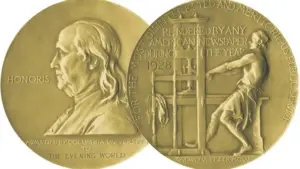
The Pulitzer Prize for Fiction is widely regarded as one of the most prestigious literary honors in the United States. Awarded annually for “distinguished fiction by an American author, preferably dealing with American life,” the prize signifies a work of exceptional artistic merit and often brings significant recognition and commercial success to its recipient. Established in 1917 through a bequest from newspaper publisher Joseph Pulitzer, the award is administered by Columbia University and stands as a testament to the enduring power of American storytelling.
The Award Process
The path to winning a Pulitzer Prize for Fiction is a rigorous one, involving a two-tiered selection process. Initially, a nominating jury, typically composed of three to five esteemed critics, academics, and authors, is appointed by the Pulitzer Prize Board. This jury undertakes the extensive task of reading hundreds of submitted novels and short story collections published during the preceding calendar year. After a period of careful deliberation, the jury selects three finalists, which are then presented to the Pulitzer Prize Board.
The Pulitzer Prize Board, a body of accomplished individuals from the fields of journalism, arts, and letters, holds the ultimate authority in selecting the winner. The Board is not bound by the jury’s recommendations and has, on several notable occasions, exercised its power to overrule the jury’s choices, select a winner from outside the list of finalists, or even decide not to bestow the award at all. This dynamic between the jury and the Board adds a layer of intrigue and, at times, controversy to the prize.
Eligibility and Evolving Definitions
To be eligible for the Pulitzer Prize for Fiction, a work must be written by an American author. In a recent move toward greater inclusivity, the eligibility criteria have been expanded to include permanent residents of the United States and those who have made the U.S. their “longtime primary home.” While the prize has a preference for works that deal with American life, this is not a strict requirement, and numerous winning novels have explored universal themes in diverse settings.
A Legacy of Literary Giants
The roster of Pulitzer Prize for Fiction winners reads like a canon of American literary history. From Ernest Hemingway’s “The Old Man and the Sea” and William Faulkner’s “A Fable” to Harper Lee’s “To Kill a Mockingbird” and Toni Morrison’s “Beloved,” the prize has consistently recognized works that have left an indelible mark on the nation’s cultural landscape.
More contemporary winners, such as Colson Whitehead for “The Nickel Boys” and “The Underground Railroad,” and Jennifer Egan for “A Visit from the Goon Squad,” continue this tradition of honoring novels that are both timely and timeless. The prize not only celebrates the individual achievement of an author but also elevates the chosen work into the national and global conversation, solidifying its place in the annals of American literature.
Pulitzer Prize for Fiction Winners and Finalists
In 31 years under the “Novel” name, the prize was awarded 27 times; in its first 76 years to 2024 under the “Fiction” name, 70 times. There have been 11 years during which no title received the award. It was shared by two authors for the first time in 2023. Since this category’s inception in 1918, 31 women have won the prize. Four authors have won two prizes each in the Fiction category: Booth Tarkington, William Faulkner, John Updike, and Colson Whitehead.
| Year | Author | Title | Publisher | Genre(s) | Author's origin |
|---|---|---|---|---|---|
| 1918 | Ernest Poole (1880-1950) | His Family | Macmillan (1917) | Novel | Illinois |
| 1919 | Booth Tarkington (1869-1949) | The Magnificent Ambersons | Doubleday, Page & Co. (1918) | Novel | Indiana |
| 1920 | NOT AWARDED | ||||
| 1921 | Edith Wharton (1862-1937) | The Age of Innocence | D. Appleton & Company (1920) | Novel | New York |
| 1922 | Booth Tarkington (1869-1949) | Alice Adams | Doubleday, Page & Co. (1921) | Novel | Indiana |
| 1923 | Willa Cather (1873-1947) | One of Ours | Alfred A. Knopf (1922) | Novel | Virginia |
| 1924 | Margaret Wilson (1882-1973) | The Able McLaughlins | Harper & Brothers (1923) | Debut novel | Iowa |
| 1925 | Edna Ferber (1885-1968) | So Big | Grosset & Dunlap (1924) | Novel | Michigan |
| 1926 | Sinclair Lewis (1885-1951) | Arrowsmith | Harcourt Brace & Co. (1925) | Novel | Minnesota |
| 1927 | Louis Bromfield (1896-1956) | Early Autumn | Amereon Ltd (1926) | Novel | Ohio |
| 1928 | Thornton Wilder | The Bridge of San Luis Rey | Albert & Charles Boni (1927) | Novel | Wisconsin |
| 1929 | Julia Peterkin | Scarlet Sister Mary | Bobbs-Merrill Company (1928) | Novel | South Carolina |
| 1930 | Oliver La Farge | Laughing Boy | Houghton Mifflin (1929) | Novel | New York |
| 1931 | Margaret Ayer Barnes | Years of Grace | Houghton Mifflin (1930) | Novel | Illinois |
| 1932 | Pearl S. Buck | The Good Earth | John Day Company (1931) | Historical fiction | West Virginia |
| 1933 | T. S. Stribling | The Store | Doubleday, Doran (1932) | Novel | Tennessee |
| 1934 | Caroline Miller | Lamb in His Bosom | Harper & Brothers (1933) | Debut novel | Georgia |
| 1935 | Josephine Winslow Johnson | Now in November | Simon & Schuster (1934) | Debut novel | Missouri |
| 1936 | Harold L. Davis | Honey in the Horn | Harper & Brothers (1935) | Debut novel | Oregon |
| 1937 | Margaret Mitchell | Gone with the Wind | Macmillan Publishers (1936) | Novel | Georgia |
| 1938 | John Philips Marquand (1893-1960) | The Late George Apley | Little, Brown and Company (1937) | Epistolary novel | Delaware |
| 1939 | Marjorie Kinnan Rawlings (1896-1953) | The Yearling | Charles Scribner's Sons (1938) | Young adult novel | Washington, D.C. |
| 1940 | John Steinbeck (1902-1968) | The Grapes of Wrath | Viking Press (1939) | Novel | California |
| 1941 | NOT AWARDED | ||||
| 1942 | Ellen Glasgow (1873-1945) | In This Our Life | Jonathan Cape (1941) | Novel | Virginia |
| 1943 | Upton Sinclair (1878-1968) | Dragon's Teeth | Viking Press (1942) | Historical fiction | Maryland |
| 1944 | Martin Flavin (1883-1967) | Journey in the Dark | Harper & Brothers (1943) | Novel | California |
| 1945 | John Hersey (1914-1993) | A Bell for Adano | Alfred A. Knopf (1944) | War novel | New York (born in Tianjin, China) |
| 1946 | NOT AWARDED | ||||
| 1947 | Robert Penn Warren (1905-1989) | All the King's Men | Harcourt, Brace & Company (1946) | Political fiction | Kentucky |
| 1948 | James A. Michener | Tales of the South Pacific | Macmillan Publishers (1947) | Interrelated short stories, | Pennsylvania |
| 1949 | James Gould Cozzens | Guard of Honor | Harcourt, Brace & Company (1948) | War novel | Illinois |
| 1950 | A. B. Guthrie | The Way West | William Sloane Associates (1949) | Western fiction | Indiana |
| 1951 | Conrad Richter | The Town | Alfred A. Knopf (1950) | Novel | Pennsylvania |
| 1952 | Herman Wouk | The Caine Mutiny | Doubleday (1951) | Historical fiction | New York |
| 1954 | NOT AWARDED | ||||
| 1955 | William Faulkner | A Fable | Random House (1954) | Novel | Mississippi |
| 1956 | MacKinlay Kantor | Andersonville | Penguin Books (1955) | Historical fiction | Iowa |
| 1957 | NOT AWARDED | ||||
| 1958 | James Agee (1909-1955) | A Death in the Family | McDowell, Obolensky (1957) | Autobiographical novel | Tennessee |
| 1959 | Robert Lewis Taylor (1912-1998) | The Travels of Jaimie McPheeters | Doubleday (1958) | Historical fiction | Illinois |
| 1960 | Allen Drury (1918-1998) | Advise and Consent | Doubleday (1959) | Political fiction, | Texas |
| 1961 | Harper Lee (1926-2016) | To Kill a Mockingbird | J. B. Lippincott & Co. (1960) | Southern Gothic, Debut novel | Alabama |
| 1962 | Edwin O'Connor (1918-1968) | The Edge of Sadness | Little, Brown and Company (1961) | Novel | Rhode Island |
| 1963 | William Faulkner (1897-1962) | The Reivers (posthumous win) | Random House (1962) | Novel | Mississippi |
| 1964 | NOT AWARDED | ||||
| 1965 | Shirley Ann Grau (1929-2020) | The Keepers of the House | Alfred A. Knopf (1964) | Novel | Louisiana |
| 1966 | Katherine Anne Porter (1890-1980) | Collected Stories | Harcourt Brace (1965) | Short story collection | Texas |
| 1967 | Bernard Malamud (1914-1986) | The Fixer | Farrar, Straus & Giroux (1966) | Novel | New York |
| 1968 | William Styron | The Confessions of Nat Turner | Random House (1967) | Novel | Virginia |
| 1969 | N. Scott Momaday | House Made of Dawn | Harper & Row (1968) | Novel | Oklahoma |
| 1970 | Jean Stafford | Collected Stories | Farrar, Straus & Giroux (1969) | Short story collection | California |
| 1971 | NOT AWARDED | ||||
| 1972 | Wallace Stegner | Angle of Repose | Doubleday (1971) | Novel | Iowa |
| 1973 | Eudora Welty | The Optimist's Daughter | Random House (1972) | Short novel | Mississippi |
| 1974 | NOT AWARDED | ||||
| 1975 | Michael Shaara | The Killer Angels | David McKay Publications (1974) | Historical fiction | New Jersey |
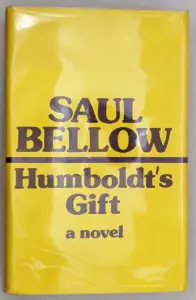
| 1976 | Saul Bellow | Humboldt's Gift | Viking Press (1975) | Novel | Illinois (born in Quebec, Canada) |
| 1977 | NOT AWARDED | ||||
| 1978 | James Alan McPherson | Elbow Room | Little, Brown (1977) | Short story collection | Georgia |
| 1979 | John Cheever | The Stories of John Cheever | Alfred A. Knopf (1978) | Short story collection | Massachusetts |
| 1953 | Ernest Hemingway | The Old Man and the Sea | Charles Scribner's Sons (1952) | Short novel | Illinois |
Entries from this point on include the finalists listed for each year.
| Year | Winner | Title | Publisher | Genre(s) | Author's origin | Finalists |
|---|---|---|---|---|---|---|
| 1980 | Norman Mailer | The Executioner's Song | Little, Brown (1979) | True crime novel | New Jersey | William Wharton, Birdy Philip Roth, The Ghost Writer |
| 1981 | John Kennedy Toole | A Confederacy of Dunces (posthumous win) | Louisiana State University Press (1980) | Picaresque novel | Louisiana | Frederick Buechner, Godric William Maxwell, So Long, See You Tomorrow |
| 1982 | John Updike | Rabbit Is Rich | Alfred A. Knopf (1981) | Novel | Pennsylvania | Robert Stone, A Flag for Sunrise Marilynne Robinson, Housekeeping |
| 1983 | Alice Walker | The Color Purple | Harcourt Brace Jovanovich (1982) | Epistolary novel | Georgia | Anne Tyler, Dinner at the Homesick Restaurant Chaim Grade, Rabbis and Wives |
| 1984 | William Kennedy | Ironweed | Viking Press (1983) | Novel | New York | Raymond Carver, Cathedral Thomas Berger, The Feud |
| 1985 | Alison Lurie | Foreign Affairs | Random House (1984) | Novel | Illinois | Diana O'Hehir, I Wish This War Were Over Douglas Unger, Leaving the Land |
| 1986 | Larry McMurtry | Lonesome Dove | Simon & Schuster (1985) | Western novel | Texas | Russell Banks, Continental Drift Anne Tyler, The Accidental Tourist |
| 1987 | Peter Taylor | A Summons to Memphis | Alfred A. Knopf (1986) | Novel | Tennessee | Donald Barthelme, Paradise Norman Rush, Whites |
| 1988 | Toni Morrison | Beloved | Alfred A. Knopf (1987) | Novel | Ohio | Diane Johnson, Persian Nights Alice McDermott, That Night |
| 1989 | Anne Tyler | Breathing Lessons | Alfred A. Knopf (1988) | Novel | Minnesota | Raymond Carver, Where I'm Calling From |
| 1990 | Oscar Hijuelos | The Mambo Kings Play Songs of Love | Farrar, Straus and Giroux (1989) | Novel | New York | E. L. Doctorow, Billy Bathgate |
| 1991 | John Updike | Rabbit At Rest | Alfred A. Knopf (1990) | Novel | Pennsylvania | Linda Hogan, Mean Spirit Tim O'Brien, The Things They Carried |
| 1992 | Jane Smiley | A Thousand Acres | Alfred A. Knopf (1991) | Domestic Realism | California | David Gates, Jernigan Robert M. Pirsig, Lila: An Inquiry into Morals Don DeLillo, Mao II |
| 1993 | Robert Olen Butler | A Good Scent from a Strange Mountain | Henry Holt (1992) | Short story collection | Illinois | Alice McDermott, At Weddings and Wakes Joyce Carol Oates, Black Water |
| 1994 | E. Annie Proulx | The Shipping News | Charles Scribner's Sons (1993) | Novel | Connecticut | Philip Roth, Operation Shylock: A Confession Reynolds Price, The Collected Stories |
| 1995 | Carol Shields | The Stone Diaries | Random House (1993) | Novel | Illinois | Grace Paley, The Collected Stories Joyce Carol Oates, What I Lived For |
| 1996 | Richard Ford | Independence Day | Alfred A. Knopf (1995) | Novel | Mississippi | Oscar Hijuelos, Mr. Ives' Christmas Philip Roth, Sabbath's Theater |
| 1997 | Steven Millhauser | Martin Dressler: The Tale of an American Dreamer | Crown Publishers (1996) | Novel | New York | Joanna Scott, The Manikin Ursula K. Le Guin, Unlocking the Air and Other Stories |
| 1998 | Philip Roth | American Pastoral | Houghton Mifflin (1997) | Novel | New Jersey | Robert Stone, Bear and His Daughter: Stories Don DeLillo, Underworld |
| 1999 | Michael Cunningham | The Hours | Farrar, Straus and Giroux (1998) | Historical fiction | Ohio | Russell Banks, Cloudsplitter Barbara Kingsolver, The Poisonwood Bible |
| 2000 | Jhumpa Lahiri | Interpreter of Maladies | Houghton Mifflin (1999) | Short story collection | Rhode Island (born in London, United Kingdom) (lives in Rome, Italy) | Annie Proulx, Close Range: Wyoming Stories Ha Jin, Waiting |
| 2001 | Michael Chabon | The Amazing Adventures of Kavalier & Clay | Random House (2000) | Historical fiction | Washington, D.C. | Joyce Carol Oates, Blonde Joy Williams, The Quick and the Dead |
| 2002 | Richard Russo | Empire Falls | Alfred A. Knopf (2001) | Novel | New York | Colson Whitehead, John Henry Days Jonathan Franzen, The Corrections |
| 2003 | Jeffrey Eugenides | Middlesex | Farrar, Straus and Giroux (2002) | Family saga | Michigan | Andrea Barrett, Servants of the Map: Stories Adam Haslett, You Are Not a Stranger Here |
| 2004 | Edward P. Jones | The Known World | Amistad Press (2003) | Historical fiction | Washington, D.C. | Susan Choi, American Woman Marianne Wiggins, Evidence of Things Unseen |
| 2005 | Marilynne Robinson | Gilead | Farrar, Straus and Giroux (2004) | Novel | Idaho | Ward Just, An Unfinished Season Ha Jin, War Trash |
| 2006 | Geraldine Brooks (b. 1955) | March | Viking Press (2005) | Historical fiction | New York (born in Sydney, Australia) | Lee Martin, The Bright Forever | E. L. Doctorow, The March |
| 2008 | Junot Díaz | The Brief Wondrous Life of Oscar Wao | Riverhead Books (2007) | Novel | New Jersey (born in Santo Domingo, Dominican Republic) | Lore Segal, Shakespeare's Kitchen Denis Johnson, Tree of Smoke |
| 2009 | Elizabeth Strout | Olive Kitteridge | Random House (2008) | Interrelated short stories | Maine | Christine Schutt, All Souls Louise Erdrich, The Plague of Doves |
| 2010 | Paul Harding | Tinkers | Bellevue Literary Press (2009) | Debut novel | Massachusetts | Daniyal Mueenuddin, In Other Rooms, Other Wonders Lydia Millet, Love in Infant Monkeys |
| 2011 | Jennifer Egan (b. 1962) | A Visit from the Goon Squad | Alfred A. Knopf (2010) | Interrelated short stories | Illinois | Jonathan Dee, The Privileges | Chang-rae Lee, The Surrendered |
| 2012 | NOT AWARDED | Karen Russell, Swamplandia! David Foster Wallace, The Pale King (posthumous nominee) Denis Johnson, Train Dreams | ||||
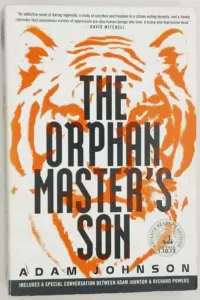
| 2013 | Adam Johnson | The Orphan Master's Son | Random House (2012) | Novel | South Dakota | Eowyn Ivey, The Snow Child Nathan Englander, What We Talk About When We Talk About Anne Frank |
| 2014 | Donna Tartt | The Goldfinch | Little, Brown and Company (2013) | Novel | Mississippi | Philipp Meyer, The Son Bob Shacochis, The Woman Who Lost Her Soul |
| 2015 | Anthony Doerr | All the Light We Cannot See | Charles Scribner's Sons (2014) | War novel | Ohio | Richard Ford, Let Me Be Frank with You Joyce Carol Oates, Lovely, Dark, Deep Laila Lalami, The Moor's Account |
| 2016 | Viet Thanh Nguyen | The Sympathizer | Grove Press (2015) | Debut novel | California (born in Buôn Ma Thuột, Vietnam) | Kelly Link, Get in Trouble: Stories Margaret Verble, Maud's Line |
| 2017 | Colson Whitehead | The Underground Railroad | Doubleday (2016) | Alternate historical novel | New York | Adam Haslett, Imagine Me Gone C. E. Morgan, The Sport of Kings |
| 2018 | Andrew Sean Greer | Less | Little, Brown and Company (2017) | Satirical novel | Washington, D.C. | Hernan Diaz, In the Distance Elif Batuman, The Idiot |
| 2019 | Richard Powers | The Overstory | W. W. Norton & Company (2018) | Novel | Illinois | Rebecca Makkai, The Great Believers Tommy Orange, There There |
| 2022 | Joshua Cohen | The Netanyahus | New York Review Books | Novel | New Jersey | Francisco Goldman, Monkey Boy Gayl Jones, Palmares |
| 2007 | Cormac McCarthy | The Road | Alfred A. Knopf (2006) | Post-apocalyptic fiction | Rhode Island | Alice McDermott, After This Richard Powers, The Echo Maker |
| 2020 | Colson Whitehead | The Nickel Boys | Doubleday (2019) | Novel | New York | Ann Patchett, The Dutch House Ben Lerner, The Topeka School |
| 2021 | Louise Erdrich | The Night Watchman | Harpercollins (2020) | Novel | Minnesota | Daniel Mason, A Registry of My Passage Upon the Earth Percival Everett, Telephone |
| 2023 | Barbara Kingsolver | Demon Copperhead | Harper | Novel | Kentucky | Vauhini Vara, The Immortal King Rao |
| 2023 | Hernan Diaz | Trust | Riverhead Books | Novel | New York (born in Argentina) | |
| 2024 | Jayne Anne Phillips | Night Watch | Harper | Novel | West Virginia |
|
| 2025 | Percival Everett | James | Doubleday | Novel | Georgia | Headshot: A Novel, by Rita Bullwinkel (Viking) Mice 1961, by Stacey Levine (Verse Chorus Press) The Unicorn Woman, by Gayl Jones (Beacon Press) |