Naoki Urasawa: The Master of Suspense Manga
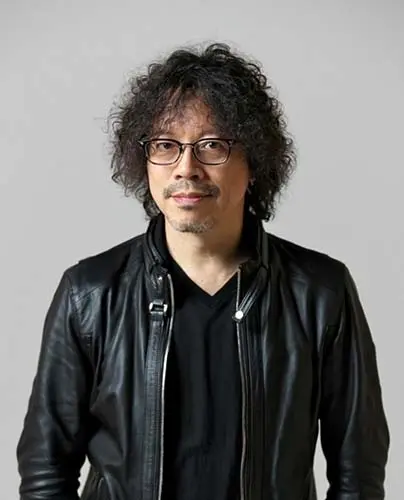
Naoki Urasawa, born on January 2, 1960, in Fuchū, Tokyo, is a mangaka whose name has become synonymous with intricately plotted, psychologically dense suspense stories. From a young age, he was immersed in creative entertainment, as his father was a geta (traditional wooden sandal) maker for kabuki theater. However, his true inspiration came from the world of manga and music. He was profoundly influenced by the works of Osamu Tezuka, particularly Astro Boy, whose cinematic storytelling and emotional depth left a lasting imprint. Simultaneously, his love for Western rock music, especially bands like The Beatles and Queen, cultivated a sense of narrative rhythm and thematic ambition that would later permeate his own work.
Urasawa’s professional career began not with immediate success but with a significant accolade. While studying economics at Meiji University, he submitted a one-shot to Shonen Sunday and won the magazine’s prestigious New Comics Award in 1981. His first serialized work, Yawara! (1986-1993), a sports comedy about a female judo prodigy, was a major hit, demonstrating his versatility and keen understanding of character dynamics. Yet, it was his next series that would redefine the possibilities of manga and cement his legacy.
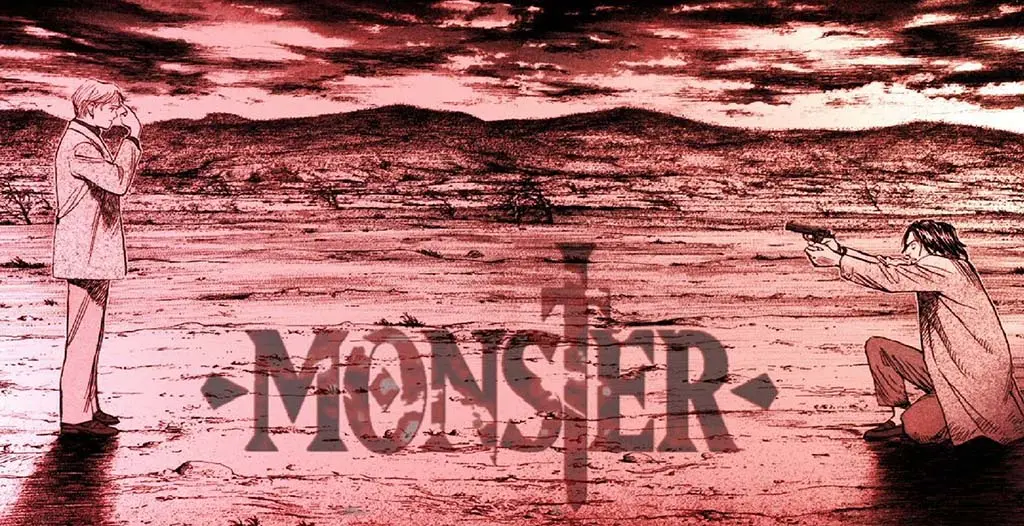
Monster (1994-2001) is a masterpiece of psychological thriller storytelling. The tale of brilliant neurosurgeon Dr. Kenzo Tenma’s relentless pursuit of a charismatic, amoral young man he once saved, Johan Liebert, transcended genre conventions. Serialized in the more mature Big Comic Original, Monster wove a sprawling tapestry across a reunified Germany, exploring profound themes of good and evil, identity, and the weight of choices. Its meticulous pacing, deep philosophical undertones, and realistic, European-influenced art style proved that manga could achieve the depth and seriousness of the finest literary novels or cinematic thrillers.
He followed this with 20th Century Boys (1999-2006), an epic mystery that spans decades, centered on a group of childhood friends confronting a cult leader whose plan for world annihilation is eerily connected to their adolescent fantasies. This series showcased Urasawa’s unparalleled skill in managing a vast cast and a non-linear, puzzle-box narrative, earning him comparisons to Stephen King. Later works like Pluto (2003-2009), a reinterpretation of Tezuka’s Astro Boy “The Greatest Robot on Earth” arc, and Billy Bat (2008-2016), a meta-fictional journey through 20th-century history via the lens of comic creation, further solidified his reputation for intellectual ambition and narrative craftsmanship.

Naoki Urasawa’s creative lineage is a fascinating web of inspiration given and received. His primary artistic forebear is undeniably Osamu Tezuka. Urasawa has often spoken of Tezuka’s foundational influence, not just in storytelling but in the ethical questions his work posed. Pluto is the most direct homage, a profound deconstruction and modernization of Tezuka’s original story that examines themes of memory, trauma, and the nature of humanity, all while treating Tezuka’s universe with deep reverence. Furthermore, the clear, expressive “star system” of recurring character designs and the cinematic, panel-to-panel storytelling in Urasawa’s work are deeply Tezuka-esque in origin.
Beyond Tezuka, Urasawa’s work shares a kinship with the meticulously researched historical fiction of Ryōichi Ikegami and the tense, realistic crime dramas of Shin’ichi Sakamoto. His impact on the manga landscape, however, is arguably even greater. Urasawa demonstrated that serialized manga could sustain long-form, novelistic complexity without relying on fantasy or supernatural tropes. This paved the way for a generation of creators working in sophisticated suspense.
Mangaka like Kazuya Minekura (Saiyuki) and Yusuke Kishi (whose novels have a similar narrative density) have noted his influence. More directly, contemporary masters of thriller and mystery manga, such as Hiroshi Mori and Kenta Matsumoto, operate in a space Urasawa helped define. His success internationally, particularly in Europe where his realistic art and settings resonate deeply, also inspired a wave of manga artists to look beyond domestic tropes for global narrative and aesthetic appeal.
Perhaps his most significant legacy is proving that manga is a medium for all ages and intellectual appetites. Naoki Urasawa, a multiple winner of the Shogakukan Manga Award, the Tezuka Osamu Cultural Prize, and nominee for the American Eisner Award, is not just a creator of stories but an architect of intricate, humanistic puzzles. He stands as a critical bridge between the foundational post-war manga of Tezuka and the modern, globally-conscious graphic novel, inspiring both readers and creators to demand more from the pages of a comic. His body of work remains a towering achievement, a testament to the power of manga as a vehicle for suspense, philosophy, and profound storytelling.