An Underwater Fairyland: Warwick Goble’s The Water-Babies
In 1909, a remarkable edition of Charles Kingsley’s beloved Victorian classic appeared that would forever change how readers imagined the underwater world of Tom the chimney sweep. The Water-Babies: A Fairy Tale for a Land-Baby, illustrated by Warwick Goble and published by Macmillan in London, represents one of the most beautiful productions of the Golden Age of Illustration—a volume where the ethereal beauty of Goble’s watercolors brought Kingsley’s moral fantasy to shimmering life.
Warwick Goble (1862–1943) was a British illustrator whose career had been building toward this moment. Trained at the City of London School and the Westminster School of Art, he had worked for magazines and illustrated H.G. Wells’s The War of the Worlds in 1897 . By 1909, he had become Macmillan’s resident gift book illustrator, and the Water-Babies commission would become one of the defining achievements of his career .
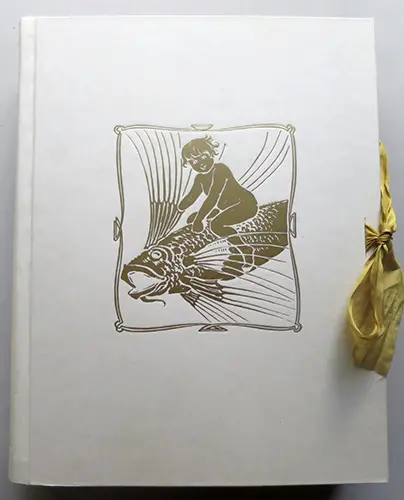
The 1909 edition was a lavish production. The first issue featured thirty-two tipped-in color plates, each mounted on heavy paper and protected by captioned tissue guards . The binding was in blue or green cloth with elaborate gilt stamping, often featuring a design on the front cover that hinted at the wonders within . The book was also issued in a deluxe limited edition of just 260 copies, bound in full vellum and signed by the artist.
Charles Kingsley’s The Water-Babies had first appeared in 1863 as a serial. The story follows Tom, a young chimney sweep abused by his master, who falls into a river and is transformed into a “water-baby”—an aquatic creature inhabiting a fantastical underwater world . The novel was a complex work: a fairy tale, a social critique of child labor, a satire of Darwinian evolution, and a Christian parable all woven together . For Goble, this complexity offered an extraordinary opportunity. His illustrations needed to capture not only the whimsy of the fairy world but also the moral weight of Tom’s journey.
What distinguishes Goble’s Water-Babies is its atmospheric depth. His palette is soft yet luminous—the cool blues and greens of the underwater realm, the warm earth tones of the Victorian countryside, the golden light of the fairy world . His water-babies are rendered with an ethereal grace that captures their otherworldly nature; his aquatic creatures—lobsters, trout, dragonflies—are drawn with the precision of a naturalist and the imagination of a fantasist.
The plates capture the story’s emotional arc. The early illustrations of Tom’s life as a sweep are rendered in muted, somber tones. The transformation scene—Tom plunging into the water, shedding his soot-stained skin—is a moment of luminous release. The underwater sequences are filled with wonder: water-babies playing among the weeds, fairies guiding Tom on his quest, Mother Carey with her box of creations . A contemporary reviewer praised Goble’s ability to create “a fairyland that is at once strange and familiar, a place where the natural world and the supernatural meet”.
The 1909 edition was reprinted in subsequent years with fewer plates. A 1910 edition contained sixteen rather than thirty-two illustrations, and later printings in 1912 and 1922 continued to offer Goble’s work to new generations . But the 1909 first edition remains the most sought-after, with its full complement of plates and its sumptuous production values.
Today, Goble’s The Water-Babies is a prized collectible. The fragile nature of the cloth binding and the tipped-in plates means that surviving copies in fine condition—with all thirty-two plates intact, the tissue guards present, and the gilt bright—are increasingly scarce. For collectors of Golden Age illustration, for admirers of Goble’s work, and for those who treasure Kingsley’s classic, the volume represents a high point of the illustrated book tradition.
In the pages of this book, Tom still plunges into the river, still meets the fairies, still journeys to the Other-end-of-Nowhere in search of his master. And Warwick Goble, with his palette and his brush, gave Kingsley’s underwater fairyland a visual language of extraordinary beauty—a reminder that the greatest illustrated books are those that not only accompany a text but illuminate it, finding in its pages a world of wonder that lingers in the memory long after the book is closed .
For collectors:
- The Princess and the Goblin by George MacDonald – A timeless fantasy tale featuring a brave princess, magical creatures, and deep moral themes, often accompanied by classic illustrations in various editions.
- Grimm’s Fairy Tales illustrated by Arthur Rackham – A collection of dark, magical stories from the Brothers Grimm, brought to life by Arthur Rackham’s hauntingly detailed and atmospheric illustrations.
- East of the Sun and West of the Moon illustrated by Kay Nielsen – A Norwegian fairy tale collection, this edition is renowned for Kay Nielsen’s lavish, Art Nouveau-inspired artwork and dreamlike storytelling.
For a list of illustrations by Warwick Goble available on our site. Please visit our Warwick Goble Illustrated Books Art Gallery.
Art Gallery: Warwick Goble – The Water Babies 1909
![Warwick Goble - The Water Babies [goble-water01] (art, illustrations)](https://www.nocloo.com/wp-content/plugins/justified-image-grid/timthumb.php?src=https%3A%2F%2Fwww.nocloo.com%2Fart%2Fgoble-water%2Fgoble-water01.jpg&h=280&q=90&f=.jpg)
![Warwick Goble - The Water Babies [goble-water02] (art, illustrations)](https://www.nocloo.com/wp-content/plugins/justified-image-grid/timthumb.php?src=https%3A%2F%2Fwww.nocloo.com%2Fart%2Fgoble-water%2Fgoble-water02.jpg&h=280&q=90&f=.jpg)
![Warwick Goble - The Water Babies [goble-water03] (art, illustrations)](https://www.nocloo.com/wp-content/plugins/justified-image-grid/timthumb.php?src=https%3A%2F%2Fwww.nocloo.com%2Fart%2Fgoble-water%2Fgoble-water03.jpg&h=280&q=90&f=.jpg)
![Warwick Goble - The Water Babies [goble-water04] (art, illustrations)](https://www.nocloo.com/wp-content/plugins/justified-image-grid/timthumb.php?src=https%3A%2F%2Fwww.nocloo.com%2Fart%2Fgoble-water%2Fgoble-water04.jpg&h=280&q=90&f=.jpg)
![Warwick Goble - The Water Babies [goble-water05] (art, illustrations)](https://www.nocloo.com/wp-content/plugins/justified-image-grid/timthumb.php?src=https%3A%2F%2Fwww.nocloo.com%2Fart%2Fgoble-water%2Fgoble-water05.jpg&h=280&q=90&f=.jpg)
![Warwick Goble - The Water Babies [goble-water06] (art, illustrations)](https://www.nocloo.com/wp-content/plugins/justified-image-grid/timthumb.php?src=https%3A%2F%2Fwww.nocloo.com%2Fart%2Fgoble-water%2Fgoble-water06.jpg&h=280&q=90&f=.jpg)
![Warwick Goble - The Water Babies [goble-water07] (art, illustrations)](https://www.nocloo.com/wp-content/plugins/justified-image-grid/timthumb.php?src=https%3A%2F%2Fwww.nocloo.com%2Fart%2Fgoble-water%2Fgoble-water07.jpg&h=280&q=90&f=.jpg)
![Warwick Goble - The Water Babies [goble-water08] (art, illustrations)](https://www.nocloo.com/wp-content/plugins/justified-image-grid/timthumb.php?src=https%3A%2F%2Fwww.nocloo.com%2Fart%2Fgoble-water%2Fgoble-water08.jpg&h=280&q=90&f=.jpg)
![Warwick Goble - The Water Babies [goble-water09] (art, illustrations)](https://www.nocloo.com/wp-content/plugins/justified-image-grid/timthumb.php?src=https%3A%2F%2Fwww.nocloo.com%2Fart%2Fgoble-water%2Fgoble-water09.jpg&h=280&q=90&f=.jpg)
![Warwick Goble - The Water Babies [goble-water10] (art, illustrations)](https://www.nocloo.com/wp-content/plugins/justified-image-grid/timthumb.php?src=https%3A%2F%2Fwww.nocloo.com%2Fart%2Fgoble-water%2Fgoble-water10.jpg&h=280&q=90&f=.jpg)
![Warwick Goble - The Water Babies [goble-water11] (art, illustrations)](https://www.nocloo.com/wp-content/plugins/justified-image-grid/timthumb.php?src=https%3A%2F%2Fwww.nocloo.com%2Fart%2Fgoble-water%2Fgoble-water11.jpg&h=280&q=90&f=.jpg)
![Warwick Goble - The Water Babies [goble-water12] (art, illustrations)](https://www.nocloo.com/wp-content/plugins/justified-image-grid/timthumb.php?src=https%3A%2F%2Fwww.nocloo.com%2Fart%2Fgoble-water%2Fgoble-water12.jpg&h=280&q=90&f=.jpg)
![Warwick Goble - The Water Babies [goble-water13] (art, illustrations)](https://www.nocloo.com/wp-content/plugins/justified-image-grid/timthumb.php?src=https%3A%2F%2Fwww.nocloo.com%2Fart%2Fgoble-water%2Fgoble-water13.jpg&h=280&q=90&f=.jpg)
![Warwick Goble - The Water Babies [goble-water14] (art, illustrations)](https://www.nocloo.com/wp-content/plugins/justified-image-grid/timthumb.php?src=https%3A%2F%2Fwww.nocloo.com%2Fart%2Fgoble-water%2Fgoble-water14.jpg&h=280&q=90&f=.jpg)
![Warwick Goble - The Water Babies [goble-water15] (art, illustrations)](https://www.nocloo.com/wp-content/plugins/justified-image-grid/timthumb.php?src=https%3A%2F%2Fwww.nocloo.com%2Fart%2Fgoble-water%2Fgoble-water15.jpg&h=280&q=90&f=.jpg)
![Warwick Goble - The Water Babies [goble-water16] (art, illustrations)](https://www.nocloo.com/wp-content/plugins/justified-image-grid/timthumb.php?src=https%3A%2F%2Fwww.nocloo.com%2Fart%2Fgoble-water%2Fgoble-water16.jpg&h=280&q=90&f=.jpg)
![Warwick Goble - The Water Babies [goble-water17] (art, illustrations)](https://www.nocloo.com/wp-content/plugins/justified-image-grid/timthumb.php?src=https%3A%2F%2Fwww.nocloo.com%2Fart%2Fgoble-water%2Fgoble-water17.jpg&h=280&q=90&f=.jpg)
![Warwick Goble - The Water Babies [goble-water18] (art, illustrations)](https://www.nocloo.com/wp-content/plugins/justified-image-grid/timthumb.php?src=https%3A%2F%2Fwww.nocloo.com%2Fart%2Fgoble-water%2Fgoble-water18.jpg&h=280&q=90&f=.jpg)
![Warwick Goble - The Water Babies [goble-water19] (art, illustrations)](https://www.nocloo.com/wp-content/plugins/justified-image-grid/timthumb.php?src=https%3A%2F%2Fwww.nocloo.com%2Fart%2Fgoble-water%2Fgoble-water19.jpg&h=280&q=90&f=.jpg)
![Warwick Goble - The Water Babies [goble-water20] (art, illustrations)](https://www.nocloo.com/wp-content/plugins/justified-image-grid/timthumb.php?src=https%3A%2F%2Fwww.nocloo.com%2Fart%2Fgoble-water%2Fgoble-water20.jpg&h=280&q=90&f=.jpg)
![Warwick Goble - The Water Babies [goble-water21] (art, illustrations)](https://www.nocloo.com/wp-content/plugins/justified-image-grid/timthumb.php?src=https%3A%2F%2Fwww.nocloo.com%2Fart%2Fgoble-water%2Fgoble-water21.jpg&h=280&q=90&f=.jpg)
![Warwick Goble - The Water Babies [goble-water22] (art, illustrations)](https://www.nocloo.com/wp-content/plugins/justified-image-grid/timthumb.php?src=https%3A%2F%2Fwww.nocloo.com%2Fart%2Fgoble-water%2Fgoble-water22.jpg&h=280&q=90&f=.jpg)
![Warwick Goble - The Water Babies [goble-water23] (art, illustrations)](https://www.nocloo.com/wp-content/plugins/justified-image-grid/timthumb.php?src=https%3A%2F%2Fwww.nocloo.com%2Fart%2Fgoble-water%2Fgoble-water23.jpg&h=280&q=90&f=.jpg)
![Warwick Goble - The Water Babies [goble-water24] (art, illustrations)](https://www.nocloo.com/wp-content/plugins/justified-image-grid/timthumb.php?src=https%3A%2F%2Fwww.nocloo.com%2Fart%2Fgoble-water%2Fgoble-water24.jpg&h=280&q=90&f=.jpg)
![Warwick Goble - The Water Babies [goble-water25] (art, illustrations)](https://www.nocloo.com/wp-content/plugins/justified-image-grid/timthumb.php?src=https%3A%2F%2Fwww.nocloo.com%2Fart%2Fgoble-water%2Fgoble-water25.jpg&h=280&q=90&f=.jpg)
![Warwick Goble - The Water Babies [goble-water26] (art, illustrations)](https://www.nocloo.com/wp-content/plugins/justified-image-grid/timthumb.php?src=https%3A%2F%2Fwww.nocloo.com%2Fart%2Fgoble-water%2Fgoble-water26.jpg&h=280&q=90&f=.jpg)
![Warwick Goble - The Water Babies [goble-water27] (art, illustrations)](https://www.nocloo.com/wp-content/plugins/justified-image-grid/timthumb.php?src=https%3A%2F%2Fwww.nocloo.com%2Fart%2Fgoble-water%2Fgoble-water27.jpg&h=280&q=90&f=.jpg)
![Warwick Goble - The Water Babies [goble-water28] (art, illustrations)](https://www.nocloo.com/wp-content/plugins/justified-image-grid/timthumb.php?src=https%3A%2F%2Fwww.nocloo.com%2Fart%2Fgoble-water%2Fgoble-water28.jpg&h=280&q=90&f=.jpg)
![Warwick Goble - The Water Babies [goble-water29] (art, illustrations)](https://www.nocloo.com/wp-content/plugins/justified-image-grid/timthumb.php?src=https%3A%2F%2Fwww.nocloo.com%2Fart%2Fgoble-water%2Fgoble-water29.jpg&h=280&q=90&f=.jpg)
![Warwick Goble - The Water Babies [goble-water30] (art, illustrations)](https://www.nocloo.com/wp-content/plugins/justified-image-grid/timthumb.php?src=https%3A%2F%2Fwww.nocloo.com%2Fart%2Fgoble-water%2Fgoble-water30.jpg&h=280&q=90&f=.jpg)
![Warwick Goble - The Water Babies [goble-water31] (art, illustrations)](https://www.nocloo.com/wp-content/plugins/justified-image-grid/timthumb.php?src=https%3A%2F%2Fwww.nocloo.com%2Fart%2Fgoble-water%2Fgoble-water31.jpg&h=280&q=90&f=.jpg)
![Warwick Goble - The Water Babies [goble-water32] (art, illustrations)](https://www.nocloo.com/wp-content/plugins/justified-image-grid/timthumb.php?src=https%3A%2F%2Fwww.nocloo.com%2Fart%2Fgoble-water%2Fgoble-water32.jpg&h=280&q=90&f=.jpg)