Dark Brilliance: Harry Clarke’s Hans Christian Andersen’s Fairy Tales
Limited Edition
There are illustrated editions that comfort, and then there are those that challenge—that strip away the sentimental veneer of beloved tales to reveal the darker, stranger, more profound currents beneath. Harry Clarke’s 1916 edition of Hans Christian Andersen’s Fairy Tales belongs decisively to the latter category. It is a work of extraordinary beauty and unsettling power, a visual interpretation that matches Andersen’s own complexity with an artist of equal depth and daring.
Harry Clarke (1889–1931) was an Irish artist whose brief, brilliant career spanned stained glass, book illustration, and painting. Trained at the Dublin Metropolitan School of Art, he was deeply influenced by the Arts and Crafts movement, the Symbolist painters, and the graphic work of Aubrey Beardsley. His illustrative style was unlike any other of his era: intricate, obsessive, often macabre, yet possessed of a jewel-like beauty that drew the eye into the smallest detail.
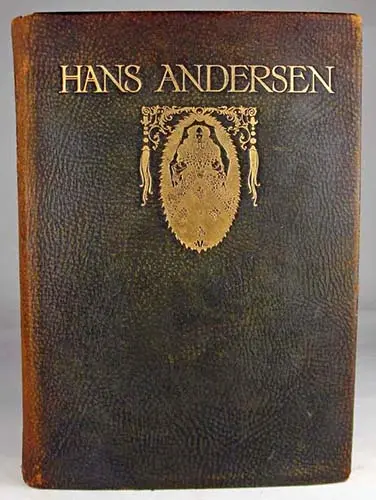
The 1916 edition, published by George G. Harrap & Co. in London, was a lavish production befitting its ambition. The volume contained sixteen color plates, each mounted on heavy paper and protected by captioned tissue guards, alongside more than twenty black-and-white illustrations and numerous decorative initials, tailpieces, and marginal drawings. The binding was typically in white cloth with gilt stamping, a stark canvas that hinted at the intensity within. It was issued in both trade and limited editions, the latter signed by the artist and highly prized by collectors.
What distinguishes Clarke’s Andersen is his unflinching engagement with the darkness that runs through the Danish author’s work. Andersen’s tales, often softened in popular retellings, are filled with suffering, longing, and a profound awareness of mortality. Clarke understood this. His illustrations do not shy away from the shadows. The Little Mermaid’s sacrifice, the Steadfast Tin Soldier’s doomed love, the Snow Queen’s cold beauty—these are rendered with an intensity that captures the emotional weight of the original stories.
Clarke’s technique is extraordinary. His color plates are dominated by deep blues, rich purples, and touches of gold and crimson—a palette that suggests both the richness of medieval illuminated manuscripts and the psychological depths of Symbolist painting. His figures possess an elegant, elongated grace, their features often rendered with a Beardsley-esque precision that verges on the grotesque. Yet there is also tenderness in his work, a vulnerability in his characters that makes their suffering all the more poignant.
The black-and-white illustrations are equally remarkable. Clarke’s line work is extraordinarily fine, creating textures and patterns that reward sustained attention. His decorative borders, initials, and tailpieces weave throughout the text, transforming each page into a cohesive visual experience. The influence of Irish manuscript illumination is evident in these details—a connection to the medieval Book of Kells that Clarke would have studied in Dublin.
The critical response to Clarke’s Andersen was immediate and enthusiastic. Reviewers praised his “extraordinary decorative sense” and his ability to capture “the strange beauty and underlying melancholy” of the tales. The book sold well and quickly became a collector’s treasure. Yet Clarke would not live to enjoy a long career. He died of tuberculosis in 1931 at the age of forty-one, leaving behind a body of work that remains among the most distinctive in the history of illustration.
Today, Harry Clarke’s Hans Christian Andersen’s Fairy Tales stands as one of the great achievements of the illustrated book tradition. First editions are increasingly scarce and highly prized by collectors. For those fortunate enough to own a copy, the book offers an experience that is both beautiful and unsettling—a journey into the heart of Andersen’s vision, filtered through the imagination of an artist who understood that fairy tales, at their best, are not escapes from reality but explorations of its deepest truths.
In Clarke’s illustrations, the Little Mermaid rises from the sea, the Snow Queen looks out from her frozen palace, and the Nightingale sings in the emperor’s garden—each rendered with a brilliance that captures the strange, sad beauty of Andersen’s world. It is a vision that lingers, long after the book is closed, in the mind’s eye.
Recommended for Collectors
- Tales of Mystery and Imagination (1919) by Edgar Allan Poe, illustrated by Clarke – A perfect companion to his Andersen work
- Fairy Tales of the Brothers Grimm (1909) illustrated by Arthur Rackham – For another iconic take on classic fairy tales
- The Fairy Tales of Charles Perrault (1922) illustrated by Harry Clarke – Showcasing his later, equally mesmerizing style
Other books illustrated by the great Harry Clarke are also available for perusal in our gallery: Faust, The Fairy Tales of Charles Perrault, Selected Poems of Charles Swinburne, Tales of Mystery and Imagination, Year’s at the Spring.
Art Gallery: Harry Clarke – Andersen Fairy Tales 1916
![Harry Clarke - Hans Andersen Fairy Tales [clarke-andersen01] (art, illustrations)](https://www.nocloo.com/wp-content/plugins/justified-image-grid/timthumb.php?src=https%3A%2F%2Fwww.nocloo.com%2Fart%2Fclarke-andersen%2Fclarke-andersen01.jpg&h=280&q=90&f=.jpg)
![Harry Clarke - Hans Andersen Fairy Tales [clarke-andersen02] (art, illustrations)](https://www.nocloo.com/wp-content/plugins/justified-image-grid/timthumb.php?src=https%3A%2F%2Fwww.nocloo.com%2Fart%2Fclarke-andersen%2Fclarke-andersen02.jpg&h=280&q=90&f=.jpg)
![Harry Clarke - Hans Andersen Fairy Tales [clarke-andersen03] (art, illustrations)](https://www.nocloo.com/wp-content/plugins/justified-image-grid/timthumb.php?src=https%3A%2F%2Fwww.nocloo.com%2Fart%2Fclarke-andersen%2Fclarke-andersen03.jpg&h=280&q=90&f=.jpg)
![Harry Clarke - Hans Andersen Fairy Tales [clarke-andersen04] (art, illustrations)](https://www.nocloo.com/wp-content/plugins/justified-image-grid/timthumb.php?src=https%3A%2F%2Fwww.nocloo.com%2Fart%2Fclarke-andersen%2Fclarke-andersen04.jpg&h=280&q=90&f=.jpg)
![Harry Clarke - Hans Andersen Fairy Tales [clarke-andersen05] (art, illustrations)](https://www.nocloo.com/wp-content/plugins/justified-image-grid/timthumb.php?src=https%3A%2F%2Fwww.nocloo.com%2Fart%2Fclarke-andersen%2Fclarke-andersen05.jpg&h=280&q=90&f=.jpg)
![Harry Clarke - Hans Andersen Fairy Tales [clarke-andersen06] (art, illustrations)](https://www.nocloo.com/wp-content/plugins/justified-image-grid/timthumb.php?src=https%3A%2F%2Fwww.nocloo.com%2Fart%2Fclarke-andersen%2Fclarke-andersen06.jpg&h=280&q=90&f=.jpg)
![Harry Clarke - Hans Andersen Fairy Tales [clarke-andersen07] (art, illustrations)](https://www.nocloo.com/wp-content/plugins/justified-image-grid/timthumb.php?src=https%3A%2F%2Fwww.nocloo.com%2Fart%2Fclarke-andersen%2Fclarke-andersen07.jpg&h=280&q=90&f=.jpg)
![Harry Clarke - Hans Andersen Fairy Tales [clarke-andersen08] (art, illustrations)](https://www.nocloo.com/wp-content/plugins/justified-image-grid/timthumb.php?src=https%3A%2F%2Fwww.nocloo.com%2Fart%2Fclarke-andersen%2Fclarke-andersen08.jpg&h=280&q=90&f=.jpg)
![Harry Clarke - Hans Andersen Fairy Tales [clarke-andersen09] (art, illustrations)](https://www.nocloo.com/wp-content/plugins/justified-image-grid/timthumb.php?src=https%3A%2F%2Fwww.nocloo.com%2Fart%2Fclarke-andersen%2Fclarke-andersen09.jpg&h=280&q=90&f=.jpg)
![Harry Clarke - Hans Andersen Fairy Tales [clarke-andersen10] (art, illustrations)](https://www.nocloo.com/wp-content/plugins/justified-image-grid/timthumb.php?src=https%3A%2F%2Fwww.nocloo.com%2Fart%2Fclarke-andersen%2Fclarke-andersen10.jpg&h=280&q=90&f=.jpg)
![Harry Clarke - Hans Andersen Fairy Tales [clarke-andersen11] (art, illustrations)](https://www.nocloo.com/wp-content/plugins/justified-image-grid/timthumb.php?src=https%3A%2F%2Fwww.nocloo.com%2Fart%2Fclarke-andersen%2Fclarke-andersen11.jpg&h=280&q=90&f=.jpg)
![Harry Clarke - Hans Andersen Fairy Tales [clarke-andersen12] (art, illustrations)](https://www.nocloo.com/wp-content/plugins/justified-image-grid/timthumb.php?src=https%3A%2F%2Fwww.nocloo.com%2Fart%2Fclarke-andersen%2Fclarke-andersen12.jpg&h=280&q=90&f=.jpg)
![Harry Clarke - Hans Andersen Fairy Tales [clarke-andersen13] (art, illustrations)](https://www.nocloo.com/wp-content/plugins/justified-image-grid/timthumb.php?src=https%3A%2F%2Fwww.nocloo.com%2Fart%2Fclarke-andersen%2Fclarke-andersen13.jpg&h=280&q=90&f=.jpg)
![Harry Clarke - Hans Andersen Fairy Tales [clarke-andersen14] (art, illustrations)](https://www.nocloo.com/wp-content/plugins/justified-image-grid/timthumb.php?src=https%3A%2F%2Fwww.nocloo.com%2Fart%2Fclarke-andersen%2Fclarke-andersen14.jpg&h=280&q=90&f=.jpg)
![Harry Clarke - Hans Andersen Fairy Tales [clarke-andersen15] (art, illustrations)](https://www.nocloo.com/wp-content/plugins/justified-image-grid/timthumb.php?src=https%3A%2F%2Fwww.nocloo.com%2Fart%2Fclarke-andersen%2Fclarke-andersen15.jpg&h=280&q=90&f=.jpg)
![Harry Clarke - Hans Andersen Fairy Tales [clarke-andersen16] (art, illustrations)](https://www.nocloo.com/wp-content/plugins/justified-image-grid/timthumb.php?src=https%3A%2F%2Fwww.nocloo.com%2Fart%2Fclarke-andersen%2Fclarke-andersen16.jpg&h=280&q=90&f=.jpg)
![Harry Clarke - Hans Andersen Fairy Tales [clarke-andersen17] (art, illustrations)](https://www.nocloo.com/wp-content/plugins/justified-image-grid/timthumb.php?src=https%3A%2F%2Fwww.nocloo.com%2Fart%2Fclarke-andersen%2Fclarke-andersen17.jpg&h=280&q=90&f=.jpg)
![Harry Clarke - Hans Andersen Fairy Tales [clarke-andersen18] (art, illustrations)](https://www.nocloo.com/wp-content/plugins/justified-image-grid/timthumb.php?src=https%3A%2F%2Fwww.nocloo.com%2Fart%2Fclarke-andersen%2Fclarke-andersen18.jpg&h=280&q=90&f=.jpg)
![Harry Clarke - Hans Andersen Fairy Tales [clarke-andersen19] (art, illustrations)](https://www.nocloo.com/wp-content/plugins/justified-image-grid/timthumb.php?src=https%3A%2F%2Fwww.nocloo.com%2Fart%2Fclarke-andersen%2Fclarke-andersen19.jpg&h=280&q=90&f=.jpg)
![Harry Clarke - Hans Andersen Fairy Tales [clarke-andersen20] (art, illustrations)](https://www.nocloo.com/wp-content/plugins/justified-image-grid/timthumb.php?src=https%3A%2F%2Fwww.nocloo.com%2Fart%2Fclarke-andersen%2Fclarke-andersen20.jpg&h=280&q=90&f=.jpg)
![Harry Clarke - Hans Andersen Fairy Tales [clarke-andersen21] (art, illustrations)](https://www.nocloo.com/wp-content/plugins/justified-image-grid/timthumb.php?src=https%3A%2F%2Fwww.nocloo.com%2Fart%2Fclarke-andersen%2Fclarke-andersen21.jpg&h=280&q=90&f=.jpg)
![Harry Clarke - Hans Andersen Fairy Tales [clarke-andersen22] (art, illustrations)](https://www.nocloo.com/wp-content/plugins/justified-image-grid/timthumb.php?src=https%3A%2F%2Fwww.nocloo.com%2Fart%2Fclarke-andersen%2Fclarke-andersen22.jpg&h=280&q=90&f=.jpg)
![Harry Clarke - Hans Andersen Fairy Tales [clarke-andersen23] (art, illustrations)](https://www.nocloo.com/wp-content/plugins/justified-image-grid/timthumb.php?src=https%3A%2F%2Fwww.nocloo.com%2Fart%2Fclarke-andersen%2Fclarke-andersen23.jpg&h=280&q=90&f=.jpg)
![Harry Clarke - Hans Andersen Fairy Tales [clarke-andersen24] (art, illustrations)](https://www.nocloo.com/wp-content/plugins/justified-image-grid/timthumb.php?src=https%3A%2F%2Fwww.nocloo.com%2Fart%2Fclarke-andersen%2Fclarke-andersen24.jpg&h=280&q=90&f=.jpg)
![Harry Clarke - Hans Andersen Fairy Tales [clarke-andersen25] (art, illustrations)](https://www.nocloo.com/wp-content/plugins/justified-image-grid/timthumb.php?src=https%3A%2F%2Fwww.nocloo.com%2Fart%2Fclarke-andersen%2Fclarke-andersen25.jpg&h=280&q=90&f=.jpg)
![Harry Clarke - Hans Andersen Fairy Tales [clarke-andersen26] (art, illustrations)](https://www.nocloo.com/wp-content/plugins/justified-image-grid/timthumb.php?src=https%3A%2F%2Fwww.nocloo.com%2Fart%2Fclarke-andersen%2Fclarke-andersen26.jpg&h=280&q=90&f=.jpg)
![Harry Clarke - Hans Andersen Fairy Tales [clarke-andersen27] (art, illustrations)](https://www.nocloo.com/wp-content/plugins/justified-image-grid/timthumb.php?src=https%3A%2F%2Fwww.nocloo.com%2Fart%2Fclarke-andersen%2Fclarke-andersen27.jpg&h=280&q=90&f=.jpg)
![Harry Clarke - Hans Andersen Fairy Tales [clarke-andersen28] (art, illustrations)](https://www.nocloo.com/wp-content/plugins/justified-image-grid/timthumb.php?src=https%3A%2F%2Fwww.nocloo.com%2Fart%2Fclarke-andersen%2Fclarke-andersen28.jpg&h=280&q=90&f=.jpg)
![Harry Clarke - Hans Andersen Fairy Tales [clarke-andersen29] (art, illustrations)](https://www.nocloo.com/wp-content/plugins/justified-image-grid/timthumb.php?src=https%3A%2F%2Fwww.nocloo.com%2Fart%2Fclarke-andersen%2Fclarke-andersen29.jpg&h=280&q=90&f=.jpg)
![Harry Clarke - Hans Andersen Fairy Tales [clarke-andersen30] (art, illustrations)](https://www.nocloo.com/wp-content/plugins/justified-image-grid/timthumb.php?src=https%3A%2F%2Fwww.nocloo.com%2Fart%2Fclarke-andersen%2Fclarke-andersen30.jpg&h=280&q=90&f=.jpg)
![Harry Clarke - Hans Andersen Fairy Tales [clarke-andersen31] (art, illustrations)](https://www.nocloo.com/wp-content/plugins/justified-image-grid/timthumb.php?src=https%3A%2F%2Fwww.nocloo.com%2Fart%2Fclarke-andersen%2Fclarke-andersen31.jpg&h=280&q=90&f=.jpg)
![Harry Clarke - Hans Andersen Fairy Tales [clarke-andersen32] (art, illustrations)](https://www.nocloo.com/wp-content/plugins/justified-image-grid/timthumb.php?src=https%3A%2F%2Fwww.nocloo.com%2Fart%2Fclarke-andersen%2Fclarke-andersen32.jpg&h=280&q=90&f=.jpg)
![Harry Clarke - Hans Andersen Fairy Tales [clarke-andersen33] (art, illustrations)](https://www.nocloo.com/wp-content/plugins/justified-image-grid/timthumb.php?src=https%3A%2F%2Fwww.nocloo.com%2Fart%2Fclarke-andersen%2Fclarke-andersen33.jpg&h=280&q=90&f=.jpg)
![Harry Clarke - Hans Andersen Fairy Tales [clarke-andersen34] (art, illustrations)](https://www.nocloo.com/wp-content/plugins/justified-image-grid/timthumb.php?src=https%3A%2F%2Fwww.nocloo.com%2Fart%2Fclarke-andersen%2Fclarke-andersen34.jpg&h=280&q=90&f=.jpg)
![Harry Clarke - Hans Andersen Fairy Tales [clarke-andersen35] (art, illustrations)](https://www.nocloo.com/wp-content/plugins/justified-image-grid/timthumb.php?src=https%3A%2F%2Fwww.nocloo.com%2Fart%2Fclarke-andersen%2Fclarke-andersen35.jpg&h=280&q=90&f=.jpg)
![Harry Clarke - Hans Andersen Fairy Tales [clarke-andersen36] (art, illustrations)](https://www.nocloo.com/wp-content/plugins/justified-image-grid/timthumb.php?src=https%3A%2F%2Fwww.nocloo.com%2Fart%2Fclarke-andersen%2Fclarke-andersen36.jpg&h=280&q=90&f=.jpg)
![Harry Clarke - Hans Andersen Fairy Tales [clarke-andersen37] (art, illustrations)](https://www.nocloo.com/wp-content/plugins/justified-image-grid/timthumb.php?src=https%3A%2F%2Fwww.nocloo.com%2Fart%2Fclarke-andersen%2Fclarke-andersen37.jpg&h=280&q=90&f=.jpg)
![Harry Clarke - Hans Andersen Fairy Tales [clarke-andersen38] (art, illustrations)](https://www.nocloo.com/wp-content/plugins/justified-image-grid/timthumb.php?src=https%3A%2F%2Fwww.nocloo.com%2Fart%2Fclarke-andersen%2Fclarke-andersen38.jpg&h=280&q=90&f=.jpg)
![Harry Clarke - Hans Andersen Fairy Tales [clarke-andersen39] (art, illustrations)](https://www.nocloo.com/wp-content/plugins/justified-image-grid/timthumb.php?src=https%3A%2F%2Fwww.nocloo.com%2Fart%2Fclarke-andersen%2Fclarke-andersen39.jpg&h=280&q=90&f=.jpg)
![Harry Clarke - Hans Andersen Fairy Tales [clarke-andersen40] (art, illustrations)](https://www.nocloo.com/wp-content/plugins/justified-image-grid/timthumb.php?src=https%3A%2F%2Fwww.nocloo.com%2Fart%2Fclarke-andersen%2Fclarke-andersen40.jpg&h=280&q=90&f=.jpg)
![Harry Clarke - Hans Andersen Fairy Tales [clarke-andersen41] (art, illustrations)](https://www.nocloo.com/wp-content/plugins/justified-image-grid/timthumb.php?src=https%3A%2F%2Fwww.nocloo.com%2Fart%2Fclarke-andersen%2Fclarke-andersen41.jpg&h=280&q=90&f=.jpg)