A Darker Vision: Harry Clarke’s Fairy Tales of Charles Perrault
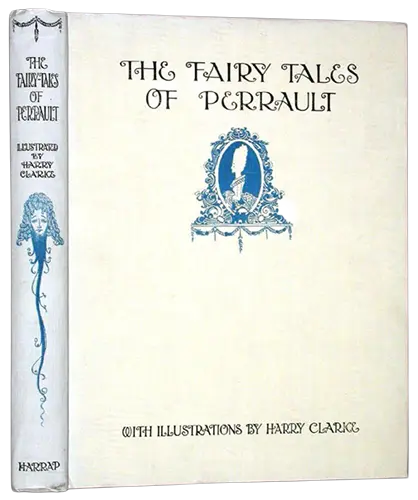
In the long tradition of illustrating Charles Perrault’s fairy tales, most artists have emphasized the charm, the whimsy, and the moral lessons of the stories. Harry Clarke took a different path. His 1922 edition of The Fairy Tales of Charles Perrault presents the classic stories—Cinderella, Sleeping Beauty, Little Red Riding Hood, Bluebeard, Puss in Boots—through a lens of intricate beauty and subtle menace, revealing the darker currents that flow beneath the surface of these familiar tales.
Harry Clarke (1889–1931) was already celebrated for his illustrations for Edgar Allan Poe and Hans Christian Andersen when he turned his attention to Charles Perrault. His style—characterized by obsessive detail, elongated figures, and a willingness to venture into the grotesque—had proven perfectly suited to the darker strains of fairy literature. Perrault’s tales, often softened in popular retellings, contained elements of genuine horror: the wolf that devours Little Red Riding Hood, the room of murdered wives in Bluebeard’s castle, the revenge of the ogre in Sleeping Beauty’s later adventures. Clarke embraced these elements, giving them visual form with all the intensity of his singular imagination.
The 1922 edition, published by George G. Harrap & Co. in London, was a lavish production typical of Clarke’s major works. The volume contained twelve color plates, alongside twelve black-and-white illustrations and decorative elements woven throughout the text.
What distinguishes Clarke’s Perrault is his refusal to sentimentalize. His Cinderella is not merely a wronged maiden but a figure of quiet dignity, her face shadowed with the weight of her servitude. His Sleeping Beauty, discovered in her tower, is rendered with an ethereal stillness that suggests the thin boundary between life and death. His Little Red Riding Hood, encountering the wolf, is a study in vulnerability, the darkness of the forest pressing in around her.
Clarke’s palette in this volume is restrained yet powerful. He favored deep blues, rich purples, touches of crimson and gold—colors that suggest both the richness of the fairy-tale world and the shadows that lurk within it. His color plates for “Bluebeard” are among the most striking in the volume: the forbidden chamber rendered in tones of dread, the murdered wives frozen in their final moments, the key that will not be cleansed of blood.
The black-and-white illustrations are equally remarkable. Clarke’s line work reaches the heights of intricacy for which he is celebrated. Decorative initials, tailpieces, and marginal drawings transform each page into a unified visual experience. The influence of medieval manuscript illumination, which Clarke had absorbed during his training at the Dublin Metropolitan School of Art, is evident in the elaborate borders and delicate patterning.
The selection of tales in this volume included the core of Perrault’s legacy: “Cinderella,” “The Sleeping Beauty,” “Little Red Riding Hood,” “Bluebeard,” “Puss in Boots,” “Tom Thumb,” and “Riquet with the Tuft.” Each received Clarke’s full attention, and each yielded images that rank among the most distinctive in the history of fairy-tale illustration.
Today, the 1922 Perrault is among the most sought-after of Clarke’s works. For collectors and admirers of the Golden Age of Illustration, the volume represents a high point of Clarke’s career—a work that stands alongside his Poe and his Andersen as a testament to his singular genius.
In the pages of this book, Perrault’s fairy tales are restored to their original complexity. The wolf is truly hungry; the chamber is truly forbidden; the prince must wake the princess not with a kiss but with the piercing recognition of mortality. Harry Clarke gave these stories back their shadows, and in doing so, created a work of enduring power—a reminder that the greatest fairy tales, like the greatest art, are not those that comfort but those that dare to look into the dark.
For collectors:
- Fairy Tales of Hans Christian Andersen by Harry Clarke (1916) – Clarke’s earlier masterpiece featuring similar enchanting imagery
- Cinderella by Arthur Rackham (1919) – A complementary golden age interpretation of fairy tales
- Sleeping Beauty and Other Fairy Tales (1910) by Edmund Dulac – Another magnificent contemporary fairy tale collection
- The Blue Fairy Book (1889), illustrated by H.J. Ford – A classic anthology with a wide range of European fairy tales and early Golden Age illustration.
Other books illustrated by the great Harry Clarke are also available for perusal in our gallery: Faust, Selected Poems of Charles Swinburne, Tales of Mystery and Imagination, Andersen’s Fairy Tales, Year’s at the Spring.
Art Gallery: Harry Clarke – The Fairy Tales of Charles Perrault 1922
![Harry Clarke - The Fairy Tales of Charles Perrault [clarke-perrault01] (art, illustrations)](https://www.nocloo.com/wp-content/plugins/justified-image-grid/timthumb.php?src=https%3A%2F%2Fwww.nocloo.com%2Fart%2Fclarke-perrault%2Fclarke-perrault01.jpg&h=280&q=90&f=.jpg "Harry Clarke - Illustrations from The Fairy Tales of Charles Perrault 1922")
![Harry Clarke - The Fairy Tales of Charles Perrault [clarke-perrault02] (art, illustrations)](https://www.nocloo.com/wp-content/plugins/justified-image-grid/timthumb.php?src=https%3A%2F%2Fwww.nocloo.com%2Fart%2Fclarke-perrault%2Fclarke-perrault02.jpg&h=280&q=90&f=.jpg "Harry Clarke - Illustrations from The Fairy Tales of Charles Perrault 1922")
![Harry Clarke - The Fairy Tales of Charles Perrault [clarke-perrault03] (art, illustrations)](https://www.nocloo.com/wp-content/plugins/justified-image-grid/timthumb.php?src=https%3A%2F%2Fwww.nocloo.com%2Fart%2Fclarke-perrault%2Fclarke-perrault03.jpg&h=280&q=90&f=.jpg "Harry Clarke - Illustrations from The Fairy Tales of Charles Perrault 1922")
![Harry Clarke - The Fairy Tales of Charles Perrault [clarke-perrault04] (art, illustrations)](https://www.nocloo.com/wp-content/plugins/justified-image-grid/timthumb.php?src=https%3A%2F%2Fwww.nocloo.com%2Fart%2Fclarke-perrault%2Fclarke-perrault04.jpg&h=280&q=90&f=.jpg "Harry Clarke - Illustrations from The Fairy Tales of Charles Perrault 1922")
![Harry Clarke - The Fairy Tales of Charles Perrault [clarke-perrault05] (art, illustrations)](https://www.nocloo.com/wp-content/plugins/justified-image-grid/timthumb.php?src=https%3A%2F%2Fwww.nocloo.com%2Fart%2Fclarke-perrault%2Fclarke-perrault05.jpg&h=280&q=90&f=.jpg "Harry Clarke - Illustrations from The Fairy Tales of Charles Perrault 1922")
![Harry Clarke - The Fairy Tales of Charles Perrault [clarke-perrault06] (art, illustrations)](https://www.nocloo.com/wp-content/plugins/justified-image-grid/timthumb.php?src=https%3A%2F%2Fwww.nocloo.com%2Fart%2Fclarke-perrault%2Fclarke-perrault06.jpg&h=280&q=90&f=.jpg "Harry Clarke - Illustrations from The Fairy Tales of Charles Perrault 1922")
![Harry Clarke - The Fairy Tales of Charles Perrault [clarke-perrault07] (art, illustrations)](https://www.nocloo.com/wp-content/plugins/justified-image-grid/timthumb.php?src=https%3A%2F%2Fwww.nocloo.com%2Fart%2Fclarke-perrault%2Fclarke-perrault07.jpg&h=280&q=90&f=.jpg "Harry Clarke - Illustrations from The Fairy Tales of Charles Perrault 1922")
![Harry Clarke - The Fairy Tales of Charles Perrault [clarke-perrault08] (art, illustrations)](https://www.nocloo.com/wp-content/plugins/justified-image-grid/timthumb.php?src=https%3A%2F%2Fwww.nocloo.com%2Fart%2Fclarke-perrault%2Fclarke-perrault08.jpg&h=280&q=90&f=.jpg "Harry Clarke - Illustrations from The Fairy Tales of Charles Perrault 1922")
![Harry Clarke - The Fairy Tales of Charles Perrault [clarke-perrault09] (art, illustrations)](https://www.nocloo.com/wp-content/plugins/justified-image-grid/timthumb.php?src=https%3A%2F%2Fwww.nocloo.com%2Fart%2Fclarke-perrault%2Fclarke-perrault09.jpg&h=280&q=90&f=.jpg "Harry Clarke - Illustrations from The Fairy Tales of Charles Perrault 1922")
![Harry Clarke - The Fairy Tales of Charles Perrault [clarke-perrault10] (art, illustrations)](https://www.nocloo.com/wp-content/plugins/justified-image-grid/timthumb.php?src=https%3A%2F%2Fwww.nocloo.com%2Fart%2Fclarke-perrault%2Fclarke-perrault10.jpg&h=280&q=90&f=.jpg "Harry Clarke - Illustrations from The Fairy Tales of Charles Perrault 1922")
![Harry Clarke - The Fairy Tales of Charles Perrault [clarke-perrault11] (art, illustrations)](https://www.nocloo.com/wp-content/plugins/justified-image-grid/timthumb.php?src=https%3A%2F%2Fwww.nocloo.com%2Fart%2Fclarke-perrault%2Fclarke-perrault11.jpg&h=280&q=90&f=.jpg "Harry Clarke - Illustrations from The Fairy Tales of Charles Perrault 1922")
![Harry Clarke - The Fairy Tales of Charles Perrault [clarke-perrault12] (art, illustrations)](https://www.nocloo.com/wp-content/plugins/justified-image-grid/timthumb.php?src=https%3A%2F%2Fwww.nocloo.com%2Fart%2Fclarke-perrault%2Fclarke-perrault12.jpg&h=280&q=90&f=.jpg "Harry Clarke - Illustrations from The Fairy Tales of Charles Perrault 1922")
![Harry Clarke - The Fairy Tales of Charles Perrault [clarke-perrault13] (art, illustrations)](https://www.nocloo.com/wp-content/plugins/justified-image-grid/timthumb.php?src=https%3A%2F%2Fwww.nocloo.com%2Fart%2Fclarke-perrault%2Fclarke-perrault13.jpg&h=280&q=90&f=.jpg "Harry Clarke - Illustrations from The Fairy Tales of Charles Perrault 1922")
![Harry Clarke - The Fairy Tales of Charles Perrault [clarke-perrault14] (art, illustrations)](https://www.nocloo.com/wp-content/plugins/justified-image-grid/timthumb.php?src=https%3A%2F%2Fwww.nocloo.com%2Fart%2Fclarke-perrault%2Fclarke-perrault14.jpg&h=280&q=90&f=.jpg "Harry Clarke - Illustrations from The Fairy Tales of Charles Perrault 1922")
![Harry Clarke - The Fairy Tales of Charles Perrault [clarke-perrault15] (art, illustrations)](https://www.nocloo.com/wp-content/plugins/justified-image-grid/timthumb.php?src=https%3A%2F%2Fwww.nocloo.com%2Fart%2Fclarke-perrault%2Fclarke-perrault15.jpg&h=280&q=90&f=.jpg "Harry Clarke - Illustrations from The Fairy Tales of Charles Perrault 1922")
![Harry Clarke - The Fairy Tales of Charles Perrault [clarke-perrault16] (art, illustrations)](https://www.nocloo.com/wp-content/plugins/justified-image-grid/timthumb.php?src=https%3A%2F%2Fwww.nocloo.com%2Fart%2Fclarke-perrault%2Fclarke-perrault16.jpg&h=280&q=90&f=.jpg "Harry Clarke - Illustrations from The Fairy Tales of Charles Perrault 1922")
![Harry Clarke - The Fairy Tales of Charles Perrault [clarke-perrault17] (art, illustrations)](https://www.nocloo.com/wp-content/plugins/justified-image-grid/timthumb.php?src=https%3A%2F%2Fwww.nocloo.com%2Fart%2Fclarke-perrault%2Fclarke-perrault17.jpg&h=280&q=90&f=.jpg "Harry Clarke - Illustrations from The Fairy Tales of Charles Perrault 1922")
![Harry Clarke - The Fairy Tales of Charles Perrault [clarke-perrault18] (art, illustrations)](https://www.nocloo.com/wp-content/plugins/justified-image-grid/timthumb.php?src=https%3A%2F%2Fwww.nocloo.com%2Fart%2Fclarke-perrault%2Fclarke-perrault18.jpg&h=280&q=90&f=.jpg "Harry Clarke - Illustrations from The Fairy Tales of Charles Perrault 1922")
![Harry Clarke - The Fairy Tales of Charles Perrault [clarke-perrault19] (art, illustrations)](https://www.nocloo.com/wp-content/plugins/justified-image-grid/timthumb.php?src=https%3A%2F%2Fwww.nocloo.com%2Fart%2Fclarke-perrault%2Fclarke-perrault19.jpg&h=280&q=90&f=.jpg "Harry Clarke - Illustrations from The Fairy Tales of Charles Perrault 1922")
![Harry Clarke - The Fairy Tales of Charles Perrault [clarke-perrault20] (art, illustrations)](https://www.nocloo.com/wp-content/plugins/justified-image-grid/timthumb.php?src=https%3A%2F%2Fwww.nocloo.com%2Fart%2Fclarke-perrault%2Fclarke-perrault20.jpg&h=280&q=90&f=.jpg "Harry Clarke - Illustrations from The Fairy Tales of Charles Perrault 1922")
![Harry Clarke - The Fairy Tales of Charles Perrault [clarke-perrault21] (art, illustrations)](https://www.nocloo.com/wp-content/plugins/justified-image-grid/timthumb.php?src=https%3A%2F%2Fwww.nocloo.com%2Fart%2Fclarke-perrault%2Fclarke-perrault21.jpg&h=280&q=90&f=.jpg "Harry Clarke - Illustrations from The Fairy Tales of Charles Perrault 1922")
![Harry Clarke - The Fairy Tales of Charles Perrault [clarke-perrault22] (art, illustrations)](https://www.nocloo.com/wp-content/plugins/justified-image-grid/timthumb.php?src=https%3A%2F%2Fwww.nocloo.com%2Fart%2Fclarke-perrault%2Fclarke-perrault22.jpg&h=280&q=90&f=.jpg "Harry Clarke - Illustrations from The Fairy Tales of Charles Perrault 1922")
![Harry Clarke - The Fairy Tales of Charles Perrault [clarke-perrault23] (art, illustrations)](https://www.nocloo.com/wp-content/plugins/justified-image-grid/timthumb.php?src=https%3A%2F%2Fwww.nocloo.com%2Fart%2Fclarke-perrault%2Fclarke-perrault23.jpg&h=280&q=90&f=.jpg "Harry Clarke - Illustrations from The Fairy Tales of Charles Perrault 1922")
![Harry Clarke - The Fairy Tales of Charles Perrault [clarke-perrault24] (art, illustrations)](https://www.nocloo.com/wp-content/plugins/justified-image-grid/timthumb.php?src=https%3A%2F%2Fwww.nocloo.com%2Fart%2Fclarke-perrault%2Fclarke-perrault24.jpg&h=280&q=90&f=.jpg "Harry Clarke - Illustrations from The Fairy Tales of Charles Perrault 1922")