Arthur Rackham – Illustrations for Tales of Mystery & Imagination 1935
A Haunting Collaboration: Arthur Rackham’s Tales of Mystery & Imagination
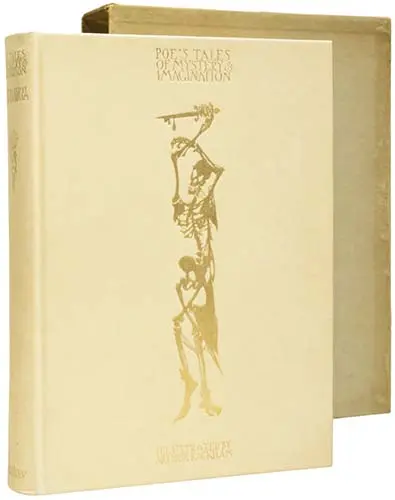
Tales of Mystery and Imagination (1933) Limited Edition
When we think of Arthur Rackham today, we most often think of fairy tales—the gnarled forests of A Midsummer Night’s Dream, the ethereal sprites of Peter Pan, the quiet magic of The Night Before Christmas. Yet Rackham’s genius was not confined to the gentle and the whimsical. His 1935 edition of Edgar Allan Poe’s Tales of Mystery & Imagination stands as a testament to his mastery of the macabre—a volume where the artist’s characteristic delicacy meets Poe’s dark vision, and the result is nothing short of extraordinary.
By 1935, Arthur Rackham was nearing the end of his long and celebrated career. The Golden Age of Illustration, which he had helped to define, had given way to new styles and new media, yet his powers remained undiminished. The Poe commission, his last major illustrated book, would prove to be one of his finest achievements—a fitting capstone to a career that had spanned more than three decades.
The 1935 edition, published by George G. Harrap & Co. in London, was a lavish production. The volume contained twenty-four full-page color plates, protected by captioned tissue guards, alongside numerous black-and-white illustrations and decorative elements woven throughout the text. The binding was in black cloth with gilt stamping, a somber canvas that hinted at the horrors within. The book was issued in both trade and limited editions—the latter signed by the artist and bound in vellum.
What distinguishes Rackham’s Poe is his ability to capture the psychological depth of the stories. His palette, in contrast to the warm earth tones of his fairy-tale work, is dominated by deep greens, shadowed blues, and touches of lurid red. The color plates are among the most dramatic he ever produced. “The Fall of the House of Usher” is rendered in tones of decay—the crack in the mansion’s facade, the spectral figure of Madeline Usher rising from her tomb, the storm that heralds the house’s collapse. “The Masque of the Red Death” receives a particularly memorable treatment: the seven colored rooms, the ebony clock, the figure of the Red Death itself stalking through the masquerade—all rendered with a richness that heightens the story’s allegorical power.
Rackham’s black-and-white illustrations are equally remarkable. His line work, always precise, here takes on a new intensity. The beating heart beneath the floorboards in “The Tell-Tale Heart” is suggested through shadow and suggestion; the black cat emerging from the wall in “The Black Cat” is rendered with a grotesque beauty that makes the horror all the more visceral. Rackham understood that Poe’s genius lay not in explicit gore but in psychological suggestion, and his illustrations honor that understanding.
The selection of tales for this edition included many of Poe’s most famous works: “The Fall of the House of Usher,” “The Masque of the Red Death,” “The Pit and the Pendulum,” “The Tell-Tale Heart,” “The Gold-Bug,” and others. Each received Rackham’s full attention, and each yielded images that have become iconic in their own right.
The critical reception of Rackham’s Poe was warm, though the edition appeared at a time when the market for such lavish illustrated books was diminishing. Yet its reputation has only grown in the decades since. Today, it is recognized as one of the great achievements of Rackham’s late career—a volume that demonstrates his range as an artist, his ability to move from the ethereal to the macabre with equal skill.
First editions of the 1935 Tales of Mystery & Imagination are highly prized by collectors. The black cloth binding, the signed limited copies—all contribute to a book that is both a literary treasure and a work of art. For those fortunate enough to own a copy, the volume offers an experience that is both beautiful and unsettling—a journey into the heart of Poe’s darkness, illuminated by an artist who understood that true mystery lies not in what we see, but in the shadows that cling to the edges of vision.
In the pages of this book, Poe’s visions become visible: the house of Usher cracks and crumbles, the pendulum swings, the raven perches above the chamber door. And Arthur Rackham, in his final masterpiece, proves that even in the darkest tales, there is room for beauty—a beauty that, once glimpsed, haunts the memory forever.
Recommended for the collector:
Grimm’s Fairy Tales (1909) – Rackham’s breakthrough work featuring his iconic fairy tale illustrations
The Arthur Rackham Fairy Book (1933) – A later compilation showcasing his evolving style
Tales of Mystery and Imagination (1919), illustrated by Harry Clarke – An earlier, more ornate interpretation of Poe’s tales in a richly decorative Art Nouveau style.
To provide the best experiences, we use technologies like cookies to store and/or access device information. Consenting to these technologies will allow us to process data such as browsing behavior or unique IDs on this site. Not consenting or withdrawing consent, may adversely affect certain features and functions.
Functional
Always active
The technical storage or access is strictly necessary for the legitimate purpose of enabling the use of a specific service explicitly requested by the subscriber or user, or for the sole purpose of carrying out the transmission of a communication over an electronic communications network.
Preferences
The technical storage or access is necessary for the legitimate purpose of storing preferences that are not requested by the subscriber or user.
Statistics
The technical storage or access that is used exclusively for statistical purposes.The technical storage or access that is used exclusively for anonymous statistical purposes. Without a subpoena, voluntary compliance on the part of your Internet Service Provider, or additional records from a third party, information stored or retrieved for this purpose alone cannot usually be used to identify you.
Marketing
The technical storage or access is required to create user profiles to send advertising, or to track the user on a website or across several websites for similar marketing purposes.

![Arthur Rackham - Tales of Mystery and Imagination [rackham-poe-mystery01] (art, illustrations)](https://www.nocloo.com/wp-content/plugins/justified-image-grid/timthumb.php?src=https%3A%2F%2Fwww.nocloo.com%2Fart%2Frackham-poe%2Frackham-poe-mystery01.jpg&h=280&q=90&f=.jpg)
![Arthur Rackham - Tales of Mystery and Imagination [rackham-poe-mystery02] (art, illustrations)](https://www.nocloo.com/wp-content/plugins/justified-image-grid/timthumb.php?src=https%3A%2F%2Fwww.nocloo.com%2Fart%2Frackham-poe%2Frackham-poe-mystery02.jpg&h=280&q=90&f=.jpg)
![Arthur Rackham - Tales of Mystery and Imagination [rackham-poe-mystery03] (art, illustrations)](https://www.nocloo.com/wp-content/plugins/justified-image-grid/timthumb.php?src=https%3A%2F%2Fwww.nocloo.com%2Fart%2Frackham-poe%2Frackham-poe-mystery03.jpg&h=280&q=90&f=.jpg)
![Arthur Rackham - Tales of Mystery and Imagination [rackham-poe-mystery04] (art, illustrations)](https://www.nocloo.com/wp-content/plugins/justified-image-grid/timthumb.php?src=https%3A%2F%2Fwww.nocloo.com%2Fart%2Frackham-poe%2Frackham-poe-mystery04.jpg&h=280&q=90&f=.jpg)
![Arthur Rackham - Tales of Mystery and Imagination [rackham-poe-mystery05] (art, illustrations)](https://www.nocloo.com/wp-content/plugins/justified-image-grid/timthumb.php?src=https%3A%2F%2Fwww.nocloo.com%2Fart%2Frackham-poe%2Frackham-poe-mystery05.jpg&h=280&q=90&f=.jpg)
![Arthur Rackham - Tales of Mystery and Imagination [rackham-poe-mystery06] (art, illustrations)](https://www.nocloo.com/wp-content/plugins/justified-image-grid/timthumb.php?src=https%3A%2F%2Fwww.nocloo.com%2Fart%2Frackham-poe%2Frackham-poe-mystery06.jpg&h=280&q=90&f=.jpg)
![Arthur Rackham - Tales of Mystery and Imagination [rackham-poe-mystery07] (art, illustrations)](https://www.nocloo.com/wp-content/plugins/justified-image-grid/timthumb.php?src=https%3A%2F%2Fwww.nocloo.com%2Fart%2Frackham-poe%2Frackham-poe-mystery07.jpg&h=280&q=90&f=.jpg)
![Arthur Rackham - Tales of Mystery and Imagination [rackham-poe-mystery08] (art, illustrations)](https://www.nocloo.com/wp-content/plugins/justified-image-grid/timthumb.php?src=https%3A%2F%2Fwww.nocloo.com%2Fart%2Frackham-poe%2Frackham-poe-mystery08.jpg&h=280&q=90&f=.jpg)
![Arthur Rackham - Tales of Mystery and Imagination [rackham-poe-mystery09] (art, illustrations)](https://www.nocloo.com/wp-content/plugins/justified-image-grid/timthumb.php?src=https%3A%2F%2Fwww.nocloo.com%2Fart%2Frackham-poe%2Frackham-poe-mystery09.jpg&h=280&q=90&f=.jpg)
![Arthur Rackham - Tales of Mystery and Imagination [rackham-poe-mystery10] (art, illustrations)](https://www.nocloo.com/wp-content/plugins/justified-image-grid/timthumb.php?src=https%3A%2F%2Fwww.nocloo.com%2Fart%2Frackham-poe%2Frackham-poe-mystery10.jpg&h=280&q=90&f=.jpg)
![Arthur Rackham - Tales of Mystery and Imagination [rackham-poe-mystery11] (art, illustrations)](https://www.nocloo.com/wp-content/plugins/justified-image-grid/timthumb.php?src=https%3A%2F%2Fwww.nocloo.com%2Fart%2Frackham-poe%2Frackham-poe-mystery11.jpg&h=280&q=90&f=.jpg)
![Arthur Rackham - Tales of Mystery and Imagination [rackham-poe-mystery12] (art, illustrations)](https://www.nocloo.com/wp-content/plugins/justified-image-grid/timthumb.php?src=https%3A%2F%2Fwww.nocloo.com%2Fart%2Frackham-poe%2Frackham-poe-mystery12.jpg&h=280&q=90&f=.jpg)
![Arthur Rackham - Tales of Mystery and Imagination [rackham-poe-mystery13] (art, illustrations)](https://www.nocloo.com/wp-content/plugins/justified-image-grid/timthumb.php?src=https%3A%2F%2Fwww.nocloo.com%2Fart%2Frackham-poe%2Frackham-poe-mystery13.jpg&h=280&q=90&f=.jpg)
![Arthur Rackham - Tales of Mystery and Imagination [rackham-poe-mystery14] (art, illustrations)](https://www.nocloo.com/wp-content/plugins/justified-image-grid/timthumb.php?src=https%3A%2F%2Fwww.nocloo.com%2Fart%2Frackham-poe%2Frackham-poe-mystery14.jpg&h=280&q=90&f=.jpg)
![Arthur Rackham - Tales of Mystery and Imagination [rackham-poe-mystery15] (art, illustrations)](https://www.nocloo.com/wp-content/plugins/justified-image-grid/timthumb.php?src=https%3A%2F%2Fwww.nocloo.com%2Fart%2Frackham-poe%2Frackham-poe-mystery15.jpg&h=280&q=90&f=.jpg)
![Arthur Rackham - Tales of Mystery and Imagination [rackham-poe-mystery16] (art, illustrations)](https://www.nocloo.com/wp-content/plugins/justified-image-grid/timthumb.php?src=https%3A%2F%2Fwww.nocloo.com%2Fart%2Frackham-poe%2Frackham-poe-mystery16.jpg&h=280&q=90&f=.jpg)
![Arthur Rackham - Tales of Mystery and Imagination [rackham-poe-mystery17] (art, illustrations)](https://www.nocloo.com/wp-content/plugins/justified-image-grid/timthumb.php?src=https%3A%2F%2Fwww.nocloo.com%2Fart%2Frackham-poe%2Frackham-poe-mystery17.jpg&h=280&q=90&f=.jpg)
![Arthur Rackham - Tales of Mystery and Imagination [rackham-poe-mystery18] (art, illustrations)](https://www.nocloo.com/wp-content/plugins/justified-image-grid/timthumb.php?src=https%3A%2F%2Fwww.nocloo.com%2Fart%2Frackham-poe%2Frackham-poe-mystery18.jpg&h=280&q=90&f=.jpg)
![Arthur Rackham - Tales of Mystery and Imagination [rackham-poe-mystery19] (art, illustrations)](https://www.nocloo.com/wp-content/plugins/justified-image-grid/timthumb.php?src=https%3A%2F%2Fwww.nocloo.com%2Fart%2Frackham-poe%2Frackham-poe-mystery19.jpg&h=280&q=90&f=.jpg)
![Arthur Rackham - Tales of Mystery and Imagination [rackham-poe-mystery20] (art, illustrations)](https://www.nocloo.com/wp-content/plugins/justified-image-grid/timthumb.php?src=https%3A%2F%2Fwww.nocloo.com%2Fart%2Frackham-poe%2Frackham-poe-mystery20.jpg&h=280&q=90&f=.jpg)
![Arthur Rackham - Tales of Mystery and Imagination [rackham-poe-mystery21] (art, illustrations)](https://www.nocloo.com/wp-content/plugins/justified-image-grid/timthumb.php?src=https%3A%2F%2Fwww.nocloo.com%2Fart%2Frackham-poe%2Frackham-poe-mystery21.jpg&h=280&q=90&f=.jpg)
![Arthur Rackham - Tales of Mystery and Imagination [rackham-poe-mystery22] (art, illustrations)](https://www.nocloo.com/wp-content/plugins/justified-image-grid/timthumb.php?src=https%3A%2F%2Fwww.nocloo.com%2Fart%2Frackham-poe%2Frackham-poe-mystery22.jpg&h=280&q=90&f=.jpg)
![Arthur Rackham - Tales of Mystery and Imagination [rackham-poe-mystery23] (art, illustrations)](https://www.nocloo.com/wp-content/plugins/justified-image-grid/timthumb.php?src=https%3A%2F%2Fwww.nocloo.com%2Fart%2Frackham-poe%2Frackham-poe-mystery23.jpg&h=280&q=90&f=.jpg)
![Arthur Rackham - Tales of Mystery and Imagination [rackham-poe-mystery24] (art, illustrations)](https://www.nocloo.com/wp-content/plugins/justified-image-grid/timthumb.php?src=https%3A%2F%2Fwww.nocloo.com%2Fart%2Frackham-poe%2Frackham-poe-mystery24.jpg&h=280&q=90&f=.jpg)
![Arthur Rackham - Tales of Mystery and Imagination [rackham-poe-mystery25] (art, illustrations)](https://www.nocloo.com/wp-content/plugins/justified-image-grid/timthumb.php?src=https%3A%2F%2Fwww.nocloo.com%2Fart%2Frackham-poe%2Frackham-poe-mystery25.jpg&h=280&q=90&f=.jpg)
![Arthur Rackham - Tales of Mystery and Imagination [rackham-poe-mystery26] (art, illustrations)](https://www.nocloo.com/wp-content/plugins/justified-image-grid/timthumb.php?src=https%3A%2F%2Fwww.nocloo.com%2Fart%2Frackham-poe%2Frackham-poe-mystery26.jpg&h=280&q=90&f=.jpg)
![Arthur Rackham - Tales of Mystery and Imagination [rackham-poe-mystery27] (art, illustrations)](https://www.nocloo.com/wp-content/plugins/justified-image-grid/timthumb.php?src=https%3A%2F%2Fwww.nocloo.com%2Fart%2Frackham-poe%2Frackham-poe-mystery27.jpg&h=280&q=90&f=.jpg)
![Arthur Rackham - Tales of Mystery and Imagination [rackham-poe-mystery28] (art, illustrations)](https://www.nocloo.com/wp-content/plugins/justified-image-grid/timthumb.php?src=https%3A%2F%2Fwww.nocloo.com%2Fart%2Frackham-poe%2Frackham-poe-mystery28.jpg&h=280&q=90&f=.jpg)
![Arthur Rackham - Tales of Mystery and Imagination [rackham-poe-mystery29] (art, illustrations)](https://www.nocloo.com/wp-content/plugins/justified-image-grid/timthumb.php?src=https%3A%2F%2Fwww.nocloo.com%2Fart%2Frackham-poe%2Frackham-poe-mystery29.jpg&h=280&q=90&f=.jpg)